Category: Health & Wellness - Page 3
Mandatory vs Permissive Substitution: Key State Law Differences Explained
Discover how state laws on drug substitution vary between mandatory and permissive approaches, impacting healthcare costs, patient access, and pharmacist practices. Learn which states require generic substitution, how consent requirements affect usage rates, and why biologics face stricter rules. Data from Medicaid studies and FDA analyses reveal real-world consequences of these regulations.
- 12
- Read More

Pediatric Antihistamine Dosing Errors: How to Prevent Dangerous Side Effects
Pediatric antihistamine dosing errors cause thousands of ER visits each year. Learn why Benadryl is risky for kids, how to measure correctly with a syringe, and which allergy meds are truly safer.
- 13
- Read More
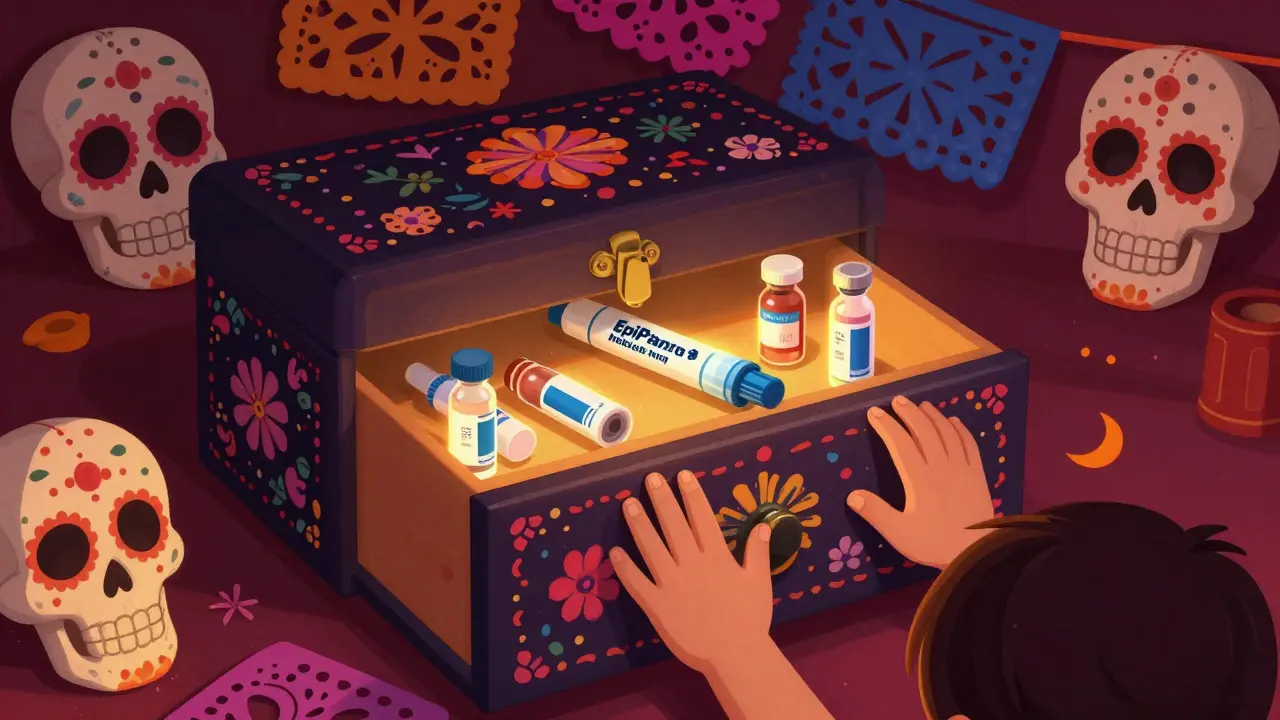
How to Keep Emergency Medications Accessible but Secure
Learn how to store emergency medications like epinephrine and naloxone so they’re safe from kids and theft-but still easy to grab in a crisis. Practical tips for home, travel, and caregivers.
- 12
- Read More

Warfarin and NSAIDs: The Real Bleeding Risk You Need to Know
Combining warfarin and NSAIDs doubles your risk of dangerous bleeding. Learn why this interaction is so deadly, which painkillers are safest, and what to do if you've already taken them together.
- 15
- Read More
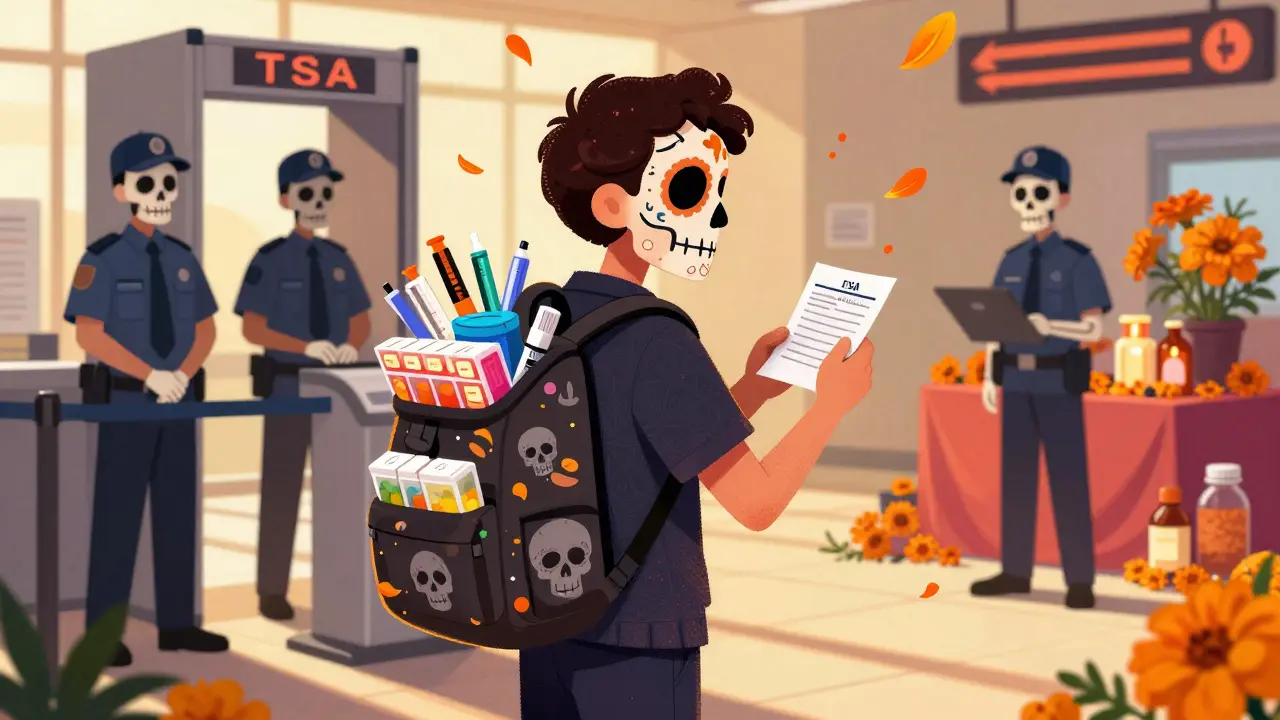
How to Manage Medication Adherence When Traveling or Changing Time Zones
Traveling across time zones can disrupt your medication schedule, risking your health. Learn how to adjust insulin, seizure meds, birth control, and more safely-with practical steps, tech tips, and expert guidelines.
FDA Databases: How to Verify Medications and Spot Counterfeit Drugs
Learn how to use FDA databases to verify if your medications are real and spot counterfeit drugs. Step-by-step guide for patients to check NDC codes and avoid fake prescriptions.
- 14
- Read More
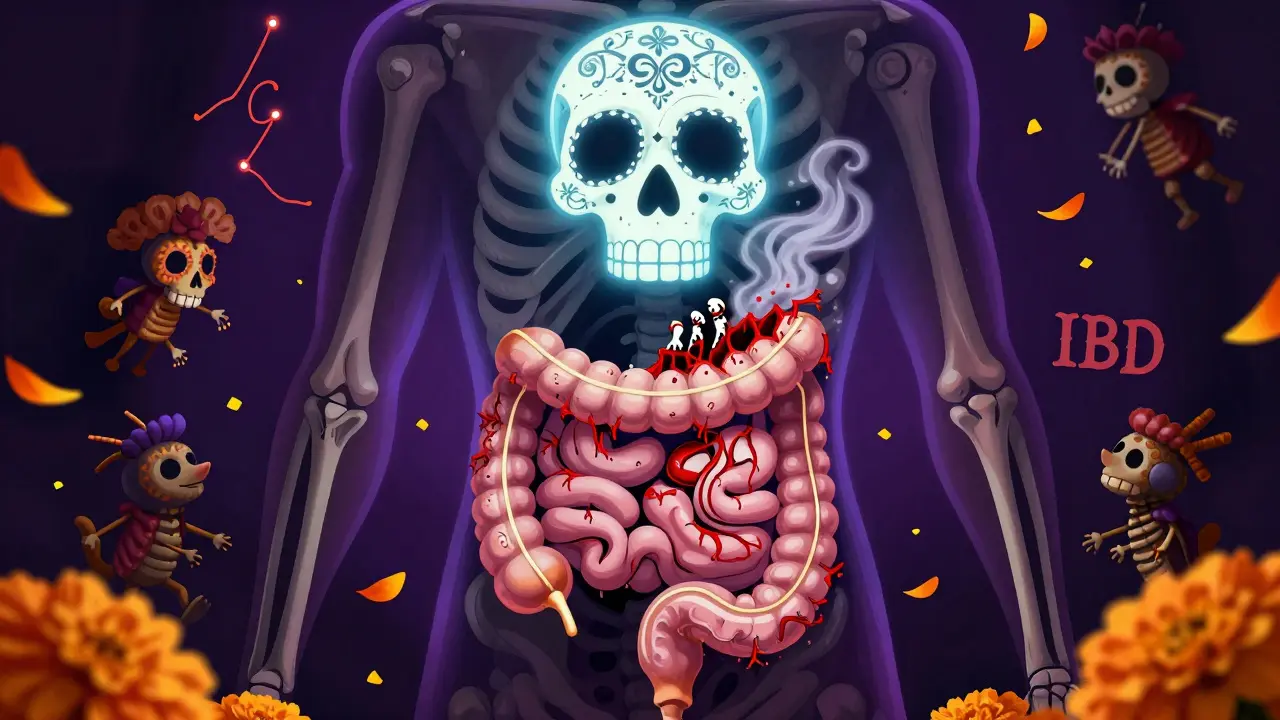
IBS vs. IBD: Understanding Functional vs. Inflammatory Bowel Disorders
IBS and IBD both cause gut pain and bowel changes, but one is a functional disorder with no physical damage, while the other causes chronic inflammation and serious complications. Learn how to tell them apart and what it means for your health.
- 10
- Read More

How to Shop Pharmacies for the Best Cash Price on Medications
Learn how to find the lowest cash prices for medications using discount apps, independent pharmacies, and mail-order services. Save up to 90% on generics without insurance.
- 15
- Read More
What Happens When You Don't Take Your Medication as Prescribed
Skipping your prescribed meds might seem harmless, but it leads to thousands of preventable deaths, costly hospitalizations, and worsening health. Learn why people miss doses-and what actually works to fix it.
- 10
- Read More
Complex Generic Formulations: Challenges in Proving Bioequivalence
Complex generics face major hurdles in proving bioequivalence due to their intricate formulations and local delivery mechanisms. Unlike simple pills, these drugs require advanced testing methods, regulatory alignment, and deep scientific understanding to ensure they work as well as the brand name.
- 13
- Read More

Oral Care for Dry Mouth: Best Products and Daily Habits That Actually Work
Dry mouth is more than just thirst - it's a common side effect of medications and aging that raises your risk of tooth decay. Learn which products dentists recommend and simple daily habits that actually work to relieve it.
- 14
- Read More
Antihistamines and Blood Pressure: What You Need to Know About Effects and Monitoring
Antihistamines can affect blood pressure depending on the type. First-gen options like Benadryl may lower it, while second-gen ones like Claritin and Zyrtec are generally safe. Avoid decongestant combos. Monitor pressure if you're hypertensive.