When you fill a prescription for a generic blood pressure pill, diabetes medicine, or cholesterol drug, you’re saving money-often 80% less than the brand-name version. But here’s the problem: adherence tracking for generics is still broken. About half of patients stop taking their generic medications within a year, not because they feel better, but because they forget, get confused, or simply don’t see the point. And while brand-name drug companies spend millions on reminder apps and patient support programs, generic manufacturers rarely do. That’s where digital tools come in-not as luxury gadgets, but as essential infrastructure for real health outcomes.
Why Generics Need Digital Tracking More Than Brand Drugs
Generic drugs make up 90% of all prescriptions in the U.S., yet they’re the most neglected when it comes to patient support. Why? Because there’s no financial incentive for manufacturers to invest in adherence programs. Brand-name companies get higher profits and longer patent protections-they have a reason to keep patients on their pills. Generic makers compete on price, not patient experience. So if you’re taking a generic statin or antihypertensive, you’re on your own. The cost of this neglect is huge. Medication non-adherence costs the U.S. healthcare system $300 billion every year. A big chunk of that comes from avoidable hospitalizations due to poorly managed chronic conditions like heart disease, diabetes, and COPD-all conditions where generics are the standard of care. Without digital tracking, pharmacists and doctors are flying blind. They see refill data, but refill data doesn’t tell you if the patient actually swallowed the pill. A patient might refill a prescription on time, then toss the pills in the drawer. That’s not adherence. That’s illusion.How Digital Tools Actually Work (Not Just Reminders)
Most people think adherence tools are just smartphone apps that buzz at 8 a.m. with a "Take your pill!" alert. That’s not enough. Real digital adherence tracking goes deeper. It physically monitors whether a pill was removed from its container-and sometimes even if it was ingested. Take the MEMS AS by AARDEX Group. It’s not a flashy app. It’s a smart pill bottle with a tiny electronic cap that records the exact time and date every time it’s opened. That data gets uploaded to the cloud, where 70+ proprietary algorithms analyze patterns. Did the patient open the bottle at 7 a.m. every day? Did they open it twice in one day? Did they skip three days in a row? The system doesn’t guess-it knows. And it’s accurate enough to be used in clinical trials. But here’s the catch: it’s designed for researchers, not everyday patients. It doesn’t talk to the user. It doesn’t motivate. It just logs. Then there’s the Tenovi Pillbox. This one looks like a sleek, modern pill organizer with color-coded LED lights. Red means a dose is due. Green means it’s been taken. It connects via cellular network, so no Wi-Fi needed. It tracks up to four different medications at once and sends real-time updates to your pharmacist or caregiver. Patients with complex regimens-say, someone on five different generics for hypertension, diabetes, and arthritis-report 28% better adherence compared to phone alerts alone. But it costs $149 upfront, plus $30 a month. That’s not affordable for most people on Medicare or Medicaid. Another option is video-based monitoring like VDOT. You record yourself taking your pill with your phone, and a nurse reviews it later. In tuberculosis treatment, this method boosted adherence to 95%. But for daily chronic meds? Only 70% of patients stuck with it past six months. Why? Because nobody wants to film themselves popping pills every morning. It feels invasive. It’s embarrassing. It’s a barrier, not a bridge.What Works in Real Life? Not What’s Hyped
You’ll see a lot of ads for medication apps on Instagram or Facebook. But here’s the truth: out of 2,000+ adherence apps on the market, only seven meet basic quality standards, according to a study in the Journal of Medical Internet Research. Most are just glorified alarms. They don’t verify intake. They don’t connect to pharmacies. They don’t help providers adjust care. What actually moves the needle? A mix of technology and human touch. A 2022 AHRQ case study found that patients on five or more medications had 35% better outcomes when they got a 3-minute adherence check-in during their pharmacy pickup-combined with a simple digital tracker. The tech didn’t do the work alone. The pharmacist did. They asked: "Do you ever forget which pill to take when?" Then they matched the patient with the right tool. Pharmacies using the McKesson APS dashboard saw diabetes adherence jump from 62% to 78% over 18 months. But they had to hire a full-time tech to manage the data. That’s not scalable for small pharmacies. Independent pharmacies? Only 18% use any digital tracking system. Big chains? 67%. The gap is growing.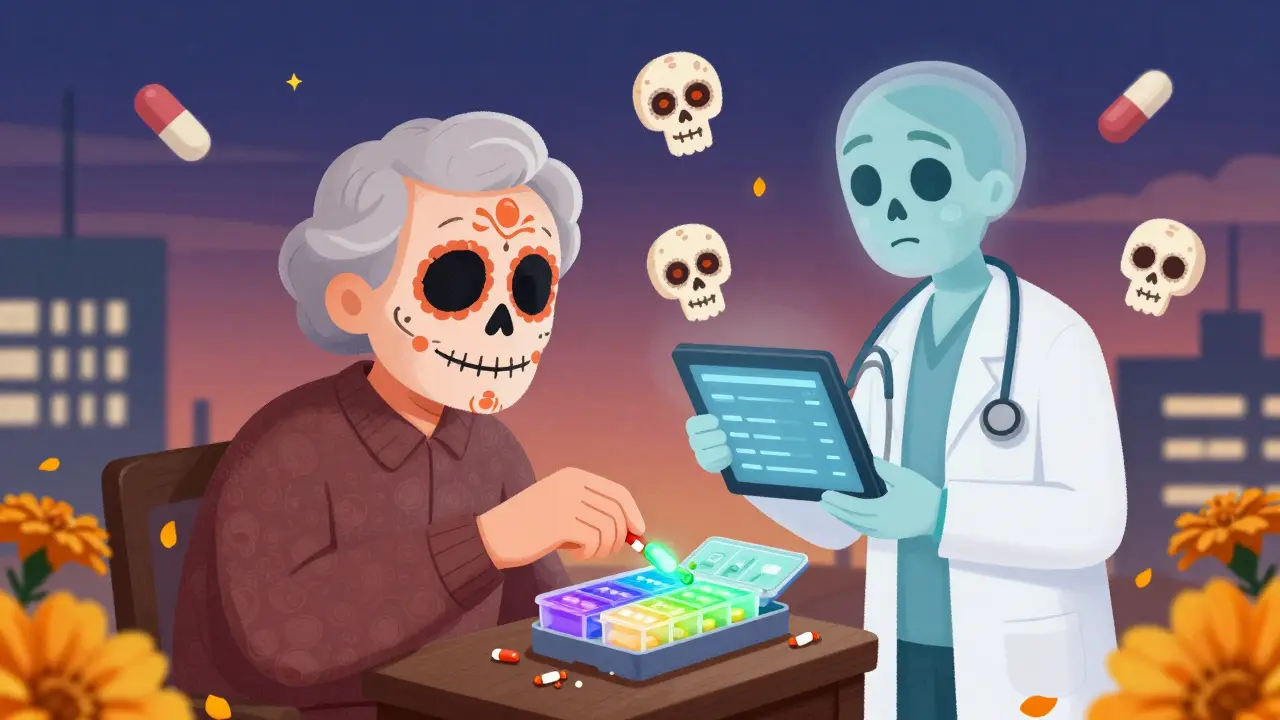
The Hidden Costs and Privacy Risks
Digital adherence tools aren’t free-literally or figuratively. The Tenovi Pillbox costs $149 plus $30/month. That’s $500 a year. For a senior on a fixed income, that’s more than their monthly copay. Some insurers cover it, but only 38% of Medicare Advantage plans do as of late 2022. If you’re paying out of pocket, you’re choosing between your meds and your internet bill. Then there’s privacy. A 2022 AHRQ survey found 63% of patients worry about who sees their adherence data. Could your insurer raise your premiums if they see you’re skipping meds? Could your employer find out? Could a data broker sell your pill-taking habits? Right now, most apps don’t clearly explain how your data is used. Backes et al. found 78% of medication apps fail to disclose their data policies. That’s not just unethical-it’s dangerous.What’s Next? AI, Integration, and Real ROI
The future of adherence tracking isn’t about more gadgets. It’s about smarter integration. AARDEX launched version 5.2 of MEMS AS in early 2023 with new algorithms specifically tuned for generic regimens. Tenovi now connects directly to Epic and Cerner EHR systems. CVS Health is testing AI that predicts which patients are at risk of dropping their meds-based on refill patterns, weather, even social media activity. In pilot tests, it cut non-adherence by 22%. And the financial payoff? Real. A 2022 study in the New England Journal of Medicine Catalyst found that for every $1 spent on adherence programs for cardiovascular generics, $7.20 was saved in avoided hospitalizations and ER visits. That’s not theory. That’s cash. Medicare is starting to notice. New Star Ratings now reward plans that improve adherence for diabetes and hypertension generics. A 1-point increase in adherence scores can mean an extra $1.2 million in revenue per 100,000 members. But here’s the catch: none of this works unless the tools are simple, affordable, and trusted. The best digital tracker in the world won’t help if the patient doesn’t understand it, can’t afford it, or feels like it’s spying on them.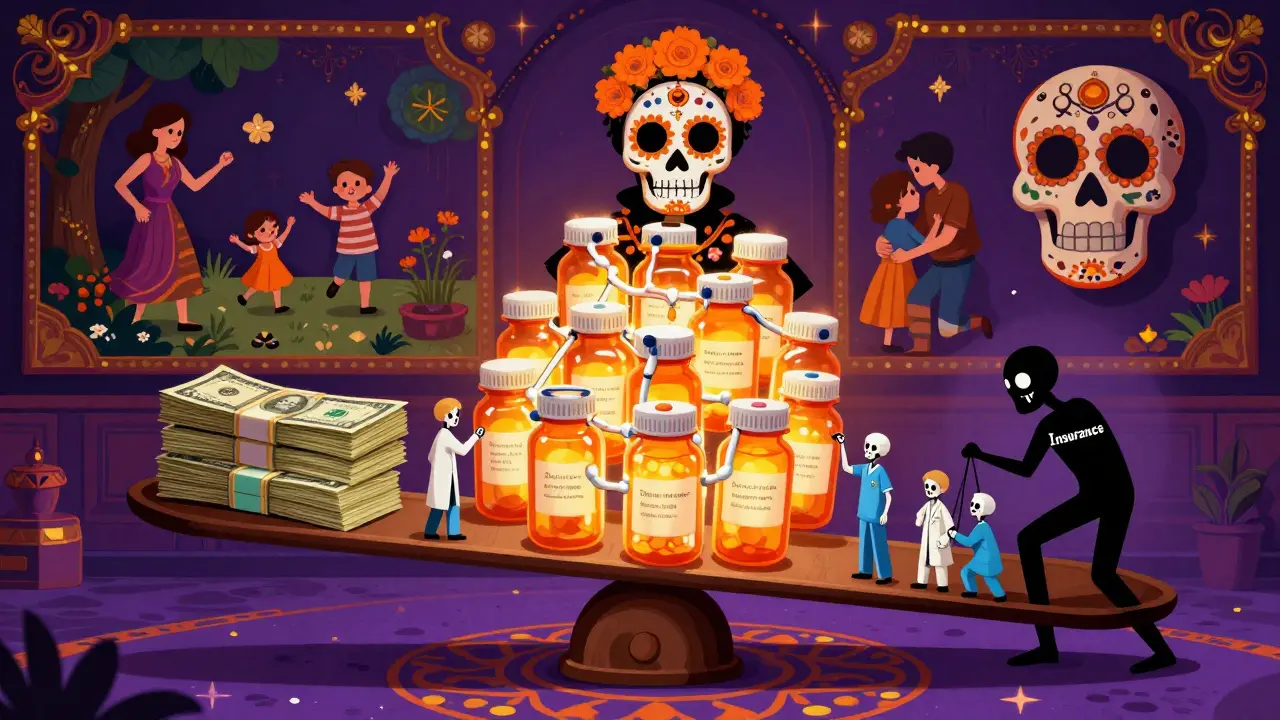
What Should You Do Right Now?
If you’re a patient: Ask your pharmacist, "Is there a digital tool that can help me remember my generics?" Don’t assume they know. Most don’t. Bring up Tenovi, MEMS AS, or even a simple pill reminder app that syncs with your calendar. If you’re on multiple meds, ask about multi-medication systems. Don’t settle for phone alerts alone. If you’re a pharmacy owner: Start small. Pick one chronic condition-hypertension or diabetes-and pilot a digital tracker with 10 patients. Use McKesson APS if you’re part of a chain. If you’re independent, try a low-cost Bluetooth pill bottle that costs under $50. Track your results. You’ll see refill rates go up. And you’ll start saving money on wasted prescriptions. If you’re a provider: Stop relying on refill data. Demand tools that verify actual ingestion. Push for integration with your EHR. Ask your pharmacy benefit manager if they offer adherence reporting. If they don’t, demand it.Why This Matters More Than Ever
The pandemic didn’t just change how we shop for groceries. It changed how we manage our health. In 2021, digital adherence for respiratory meds jumped 15% overnight. People were scared. They didn’t want to go to clinics. They needed to know their meds were working. Digital tools filled that gap. Now, those tools are here to stay. Generic drugs are the backbone of affordable healthcare. But affordability means nothing if people don’t take them. Digital adherence tracking isn’t about surveillance. It’s about dignity. It’s about giving people the tools to stay healthy without feeling like a burden. It’s about making sure the savings from generics aren’t lost because no one bothered to help them remember. The technology exists. The data proves it works. The cost savings are real. What’s missing is the will to make it accessible-for everyone, not just the wealthy or the tech-savvy.Can digital adherence tools really improve how I take my generic meds?
Yes, but only if the tool matches your needs. Simple reminder apps help some people, but for those on multiple medications, smart pill bottles like Tenovi or MEMS AS have been shown to improve adherence by 25-30%. The key is using a system that verifies actual pill intake-not just reminds you to take it. Studies show patients using verified tracking tools are 40% less likely to be hospitalized for preventable conditions like uncontrolled blood pressure or diabetes complications.
Are these tools covered by insurance?
Only about 38% of Medicare Advantage plans cover remote therapeutic monitoring for adherence tracking as of late 2022. Most commercial insurers don’t cover consumer devices like Tenovi unless they’re prescribed as part of a formal care plan. Some pharmacy chains offer discounts or loaner programs. Always ask your pharmacist or insurer directly-coverage varies widely by plan and region.
What’s the cheapest way to start tracking my generic meds?
Start with a free smartphone app that sends reminders and lets you log doses manually-like Medisafe or MyTherapy. Pair it with a pill organizer that has time slots and a built-in alarm. That’s under $20. If you’re on five or more medications, ask your pharmacist about low-cost Bluetooth pill bottles (some cost as little as $40). These don’t require monthly fees and sync with your phone. For most people, this combo is enough to get started.
Do these tools work for elderly patients or those with memory issues?
Yes-but only if the interface is simple. Elderly patients do better with visual cues like color-coded LEDs (red = due, green = done) rather than text alerts. Devices like Tenovi are designed for this. Avoid apps that require typing or complex navigation. Voice-enabled systems or caregiver-connected tools (where a family member gets alerts) work best. Studies show patients over 70 who use visual, non-digital systems have higher long-term use than those relying on smartphones alone.
How do pharmacies use adherence data?
Pharmacies use adherence data to identify patients at risk of dropping their meds, then intervene. For example, if a patient hasn’t opened their smart bottle in 48 hours, the pharmacy might call them. Some systems trigger automatic refill reminders or flag patients for a pharmacist consultation. In larger chains, data feeds into dashboards that show adherence trends across populations-helping them qualify for Medicare Star Ratings and bonus payments.
Is my adherence data private?
It depends on the tool. Clinical-grade systems like MEMS AS follow HIPAA rules and encrypt data. Consumer apps often don’t. Always check the privacy policy. Look for phrases like "HIPAA-compliant," "no third-party sharing," and "data encrypted in transit and at rest." If the app asks for permission to share data with advertisers or analytics firms, avoid it. Your pill-taking habits are personal health information-and you have a right to control who sees them.
What’s the biggest mistake people make with adherence tools?
Choosing a tool based on features, not fit. A high-tech device with 10 functions is useless if you can’t figure out how to turn it on. The best tool is the one you’ll actually use. For most people, that’s a simple pillbox with alarms-not a cloud-connected system that needs a tech support call. Start simple. Add complexity only if you need it.
Scottie Baker
January 13, 2026 AT 23:05This is such a crock. People don't take their meds because they're broke, not because they're lazy. You want to fix adherence? Stop charging $400 for a 30-day supply of lisinopril. No gadget in the world fixes poverty.
Kimberly Mitchell
January 14, 2026 AT 10:35Another tech solution pretending to be a moral imperative. The real problem is pharmaceutical capitalism. Let's not pretend a $150 pillbox is a social justice fix when insulin costs $300.
Robin Williams
January 15, 2026 AT 14:12Y'all are missing the point. It's not about the tech-it's about connection. My grandma used a pill organizer with big labels and her neighbor checked in every Tuesday. That’s adherence. Not apps. Not alerts. Human contact. 💪❤️
Randall Little
January 16, 2026 AT 11:42So let me get this straight: we’re going to solve a systemic healthcare failure with consumer-grade IoT devices? Brilliant. Next we’ll use smart toothbrushes to fix Medicaid. 🤡
Gregory Parschauer
January 17, 2026 AT 11:18Let’s be brutally honest: the pharmaceutical industry has engineered this crisis. Brand-name companies profit from dependency; generics profit from volume. Neither gives a damn about adherence because neither has skin in the game. The real innovation isn’t MEMS AS-it’s a single-payer system that ties reimbursement to outcomes, not pill counts. Until then, you’re just selling digital Band-Aids to a patient who’s hemorrhaging. And you call this progress? Pathetic.
Anny Kaettano
January 18, 2026 AT 07:30As a pharmacist, I see this daily. Refill data is meaningless. I had a patient refill metformin every 28 days… but the bottle was full when I checked. She was giving them to her cousin who didn’t have insurance. Digital tracking doesn’t just monitor-it humanizes. When we got her a Tenovi and did a 3-minute check-in during pickup, she cried and said, ‘No one’s ever asked if I could afford this.’ That’s not tech. That’s care.
Acacia Hendrix
January 19, 2026 AT 15:17While the operational efficacy of digital adherence platforms is statistically significant (p < 0.01 in RCTs), the epistemological framing of adherence as a behavioral deficit rather than a structural inequity remains deeply problematic. The commodification of health behavior via proprietary telemetry systems reproduces neoliberal biopower architectures, wherein patient agency is algorithmically surveilled under the guise of therapeutic optimization. Until we decouple health outcomes from market logics, we are merely optimizing the margins of a broken system.
Adam Vella
January 21, 2026 AT 11:45The assertion that generic manufacturers lack incentive to invest in adherence tools is fundamentally correct, yet it obscures a deeper truth: the absence of regulatory mandates. The FDA has never required adherence monitoring as a condition of generic approval, despite the fact that bioequivalence studies are conducted under ideal conditions. If we treated generics like life-saving therapies-as they are-we would require post-market adherence data as part of the ANDA process. Until then, we are relying on corporate altruism in a sector defined by cost-cutting. This is not a technological gap. It is a policy failure.
Angel Molano
January 22, 2026 AT 00:53Stop wasting money on gadgets. Just call people. That’s it.
John Tran
January 22, 2026 AT 20:15ok so like… i read this whole thing and honestly? the tenovi thing looks cool but $149?? and monthly?? bro i got a cat that costs less than my meds. also i tried one of those apps and it kept buzzing at 3am and i threw my phone across the room. now i just put my pills next to my coffee maker. if i drink coffee, i take the pill. if i don’t? well… guess i’m not drinking coffee today. also why does everyone act like digital tracking is new? my grandma used a calendar with red x’s. it worked. sometimes the dumbest solution is the one that sticks. 🤷♂️
James Castner
January 23, 2026 AT 07:34Let us not mistake the symptom for the disease. The erosion of adherence among patients prescribed generic medications is not a failure of individual willpower, nor is it a lacuna in technological infrastructure. It is, rather, the inevitable consequence of a healthcare ecosystem that commodifies health, reduces human beings to data points, and externalizes the burden of chronic disease management onto the most vulnerable. The MEMS AS and Tenovi devices, while technologically sophisticated, are palliatives-elegant, expensive, and ultimately insufficient. True transformation requires a reorientation of incentives: reimbursement structures must reward outcomes, not volume; pharmacists must be empowered as clinical partners, not dispensers; and patients must be treated as agents, not assets. Until we restructure the foundation, we are merely polishing the coffin.
Trevor Whipple
January 23, 2026 AT 14:53everyone’s overcomplicating this. just send a text. that’s it. i used to forget my meds til my mom started texting me every morning. now i just have my phone on vibrate. no app. no $150 box. just a text. why are we paying for tech when we already have phones???
Angel Tiestos lopez
January 25, 2026 AT 04:21yo… i’ve been taking my generic blood pressure meds for 3 years now. no fancy gadgets. just a little plastic box with 7 compartments. i put the pills in every sunday. if it’s empty on saturday, i know i did it. if it’s not? i know i messed up. no alerts. no cloud. no $30/month. just me, my pills, and my conscience. sometimes the simplest thing is the most real. 🙏💊