The FDA doesn’t call ahead. No warning. No scheduled date. One day, inspectors just show up at your facility-no notice, no rehearsal. For manufacturers supplying food, medicine, or medical devices to the U.S., this isn’t a threat. It’s the new normal. Since May 6, 2025, the U.S. Food and Drug Administration began conducting unannounced inspections at all foreign manufacturing sites, closing a loophole that once let overseas plants prepare for audits while U.S. facilities didn’t get that luxury.
Why Surprise Inspections Exist
Think of an unannounced inspection like a speed trap. You can’t fake being sober if the cop pulls you over without warning. The same logic applies to drug and food factories. If a company knows an inspector is coming, they clean up. They fix records. They hide problems. But when inspectors arrive without notice, they see the real operation-the messy shift change, the untrained staff, the outdated equipment, the falsified logs. That’s what the FDA wants to see. Before 2025, foreign manufacturers often got weeks of advance notice. Inspectors would coordinate with local regulators, arrange translators, and plan travel. That gave companies time to stage their facilities. The FDA found something alarming: when foreign plants had time to prepare, inspectors still found serious violations more than twice as often as at U.S. plants. That wasn’t a coincidence. It was a system broken by predictability. The goal isn’t to catch people off guard for fun. It’s to catch people cutting corners. The FDA’s official stance is clear: every product sold in the U.S. must be safe, legitimate, and honestly made. If you’re hiding failures, you’re putting lives at risk. Unannounced inspections are the only way to catch those who falsify records, skip quality checks, or ignore contamination risks.How an Unannounced Inspection Actually Works
When FDA investigators walk in, they don’t ask for coffee. They show credentials. They hand over Form FDA 482-the official Notice of Inspection. The person who signs for it is usually the most responsible person on-site, even if they’re just a night-shift supervisor. There’s no time to call legal. No time to lock files. The clock starts the moment they enter. Inspectors don’t just look at the floor. They dive into records. They check Standard Operating Procedures (SOPs). They review manufacturing logs. They trace batch numbers back to raw material suppliers. They walk into sterile rooms without warning to see if workers are wearing proper gowning. They pull random samples. They interview employees on the spot-not just managers, but line workers. If someone can’t explain how a process works, that’s a red flag. Inspections can last hours or days. It depends on the size of the facility, the complexity of the products, and what they find. A small facility making simple pills might be done in a day. A large plant producing injectables or medical devices could take a week. The FDA doesn’t rush. They follow the evidence. After the inspection, they issue a Form 483 listing any observations. That’s not a fine. It’s a warning. If they find serious, repeated, or intentional violations, they can refuse entry to your products, issue a warning letter, or even shut down your facility. And yes-they have legal authority to block anyone who delays, denies, or limits their access.The Big Shift: Foreign Facilities Are Now Treated Like U.S. Ones
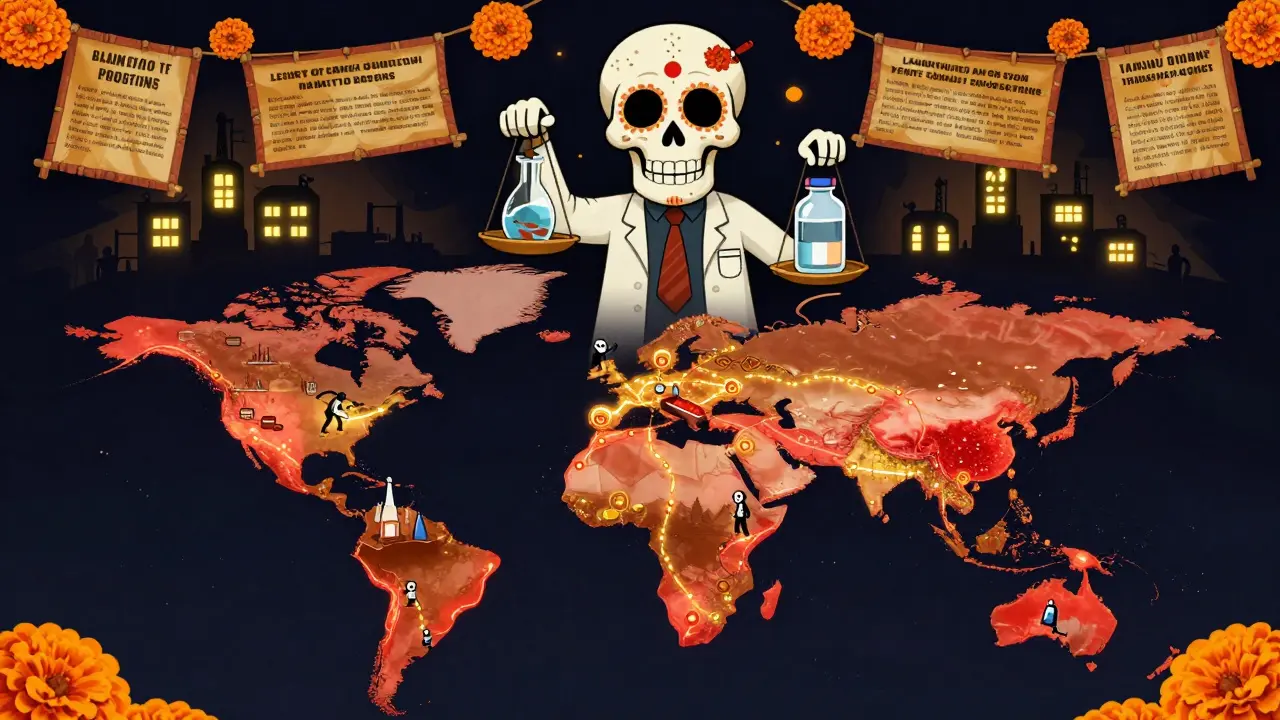
Before May 2025, there was a double standard. U.S. factories? Usually unannounced. Foreign factories? Often given weeks to prepare. That wasn’t fair. And it wasn’t safe. The FDA’s new policy removes that gap. Now, whether you’re in Ohio or Odisha, you get the same treatment. That’s a huge deal for the 3,000+ foreign facilities the FDA inspects each year across 90+ countries. About 80% of the active ingredients in U.S. medicines come from overseas. Nearly 40% of finished drugs do too. If those plants aren’t held to the same standard, the whole system fails. This change didn’t happen overnight. The FDA tested it first in India and China through a pilot program. The results were clear: unannounced visits exposed more violations than announced ones. The data didn’t lie. So they rolled it out globally. Some experts worry about how this works with foreign regulators. In the past, the FDA would notify the local health authority before showing up. Sometimes, they even invited them to join. Now? That’s unclear. If the FDA stops coordinating, it could strain international relationships. But the agency hasn’t backed down. Their message is simple: public health comes first.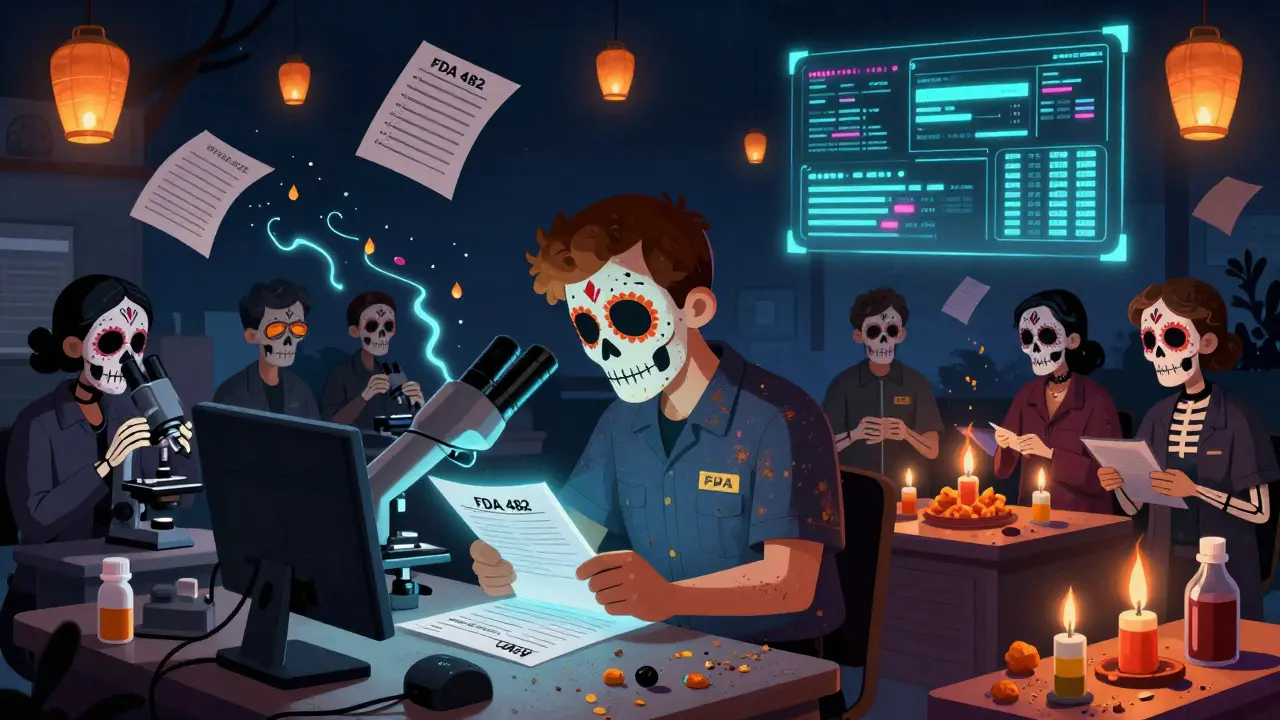
What Manufacturers Need to Do Now
You can’t prepare for a surprise. But you can prepare for the possibility of one. First, stop thinking of inspections as events. Think of them as ongoing audits. Your quality management system (QMS) should be live, always, not something you fix the night before. If your records are messy, your SOPs outdated, or your staff untrained, you’re already failing-even if no one’s looking. Second, build a response plan. Who signs for the inspectors? Who pulls the records? Who handles the language barrier? If your team doesn’t speak English, you need trained translators ready-not someone you hire on the spot. That’s not optional anymore. Third, run mock inspections. Monthly. Random. No warning. Have someone act like an FDA investigator. Ask tough questions. Try to find your own flaws. If you can’t pass your own surprise check, you won’t pass the real one. Fourth, invest in digital systems. Paper logs can be altered. Spreadsheets can be deleted. Cloud-based QMS tools with audit trails, version control, and automated alerts make it harder to hide mistakes. The FDA doesn’t care if your system is fancy. They care if it’s honest.What Happens If You’re Not Ready?
If you’re caught with falsified records, missing validations, or poor sanitation, the consequences are serious. You could face:- A Form 483 with 10+ observations
- A warning letter from the FDA
- Import alerts blocking your products at the border
- A consent decree forcing you to restructure your entire operation under court supervision
- Or worse-permanent bans on selling to the U.S. market
RAJAT KD
January 9, 2026 AT 18:41Finally, someone’s holding the global supply chain accountable. In India, we’ve seen too many factories cut corners-fake batch logs, untrained staff, expired raw materials. The FDA’s move isn’t harsh; it’s necessary. Lives depend on this.
Jenci Spradlin
January 9, 2026 AT 22:36frankly, most of these overseas plants are just paper tigers. i’ve seen ‘quality systems’ that were just printed SOPs stuck on a wall with duct tape. if the fda shows up unannounced and finds that? they deserve every penalty.
Aron Veldhuizen
January 10, 2026 AT 23:24This isn’t about safety-it’s about American exceptionalism dressed up as regulation. Why should a factory in Bangladesh be held to the same standard as one in Ohio? The FDA is weaponizing compliance to protect domestic industry, not patients. This is economic protectionism with a lab coat.
Micheal Murdoch
January 11, 2026 AT 09:32Look, I get the frustration from overseas manufacturers-but here’s the thing: if your facility is truly compliant, an unannounced inspection shouldn’t scare you. It should validate you. The real issue isn’t the surprise-it’s the systemic neglect that’s been allowed to fester for decades. We’ve normalized cutting corners because it’s cheaper. Now the bill’s coming due. And honestly? Good. It’s about time we treated medicine like it matters.
Heather Wilson
January 13, 2026 AT 05:16The FDA’s approach is fundamentally flawed. They claim to want transparency, yet they refuse to standardize how Form 483 observations are interpreted across regions. In one country, a missing signature is a Level 2 violation; in another, it’s a footnote. This inconsistency undermines the entire premise of fairness. And don’t get me started on the language barriers-how can a line worker in Vietnam properly respond to an inspector who doesn’t speak Mandarin or Bengali? The FDA isn’t solving the problem-they’re exporting their bureaucratic inefficiency.
Elisha Muwanga
January 14, 2026 AT 21:52Let’s be real-this is just the FDA flexing its power. U.S. facilities have been getting unannounced inspections for years, and they still have violations. So why punish foreign plants more aggressively? It’s not about safety-it’s about control. And let’s not pretend that U.S. manufacturers are saints. We’ve got our own dirty secrets in the supply chain. Double standards don’t make you safer-they just make you hypocritical.
Ian Long
January 16, 2026 AT 15:51What if we flipped the script? Instead of punishing facilities after the fact, what if the FDA partnered with local regulators to create real-time digital dashboards-live data feeds from production lines, automated anomaly detection, AI flagging deviations before they happen? That’s prevention, not punishment. Surprise inspections are reactive. We need proactive systems. The tech exists. The will doesn’t.
Chris Kauwe
January 16, 2026 AT 22:54Unannounced inspections are the only mechanism that can penetrate the veneer of compliance. The GMP frameworks are paper tigers without enforcement. The FDA’s move is a paradigm shift: from reactive auditing to continuous accountability. The data speaks: 78% of critical deviations in foreign facilities were concealed during announced visits. That’s not negligence-it’s malfeasance. And malfeasance must be met with unrelenting scrutiny. This isn’t about nationalism. It’s about pharmacovigilance as a human right.