More than 90% of prescriptions filled in the U.S. are for generic drugs. Yet, many patients still hesitate to take them. Why? Because they look different. They cost less. And somewhere along the way, they got a bad reputation.
It’s not that people are being irrational. It’s that the information they’ve been given is confusing, scattered, or just plain wrong. A 2021 FDA survey found that 43% of patients doubted whether generic medications worked as well as brand-name ones. That’s nearly half of all users. And that’s where visual education tools - specifically, infographics about generics - step in.
What Makes a Generic Drug the Same?
Here’s the simple truth: a generic drug must contain the same active ingredient, in the same strength, and work the same way in your body as the brand-name version. That’s not marketing speak. It’s a legal requirement enforced by the FDA.
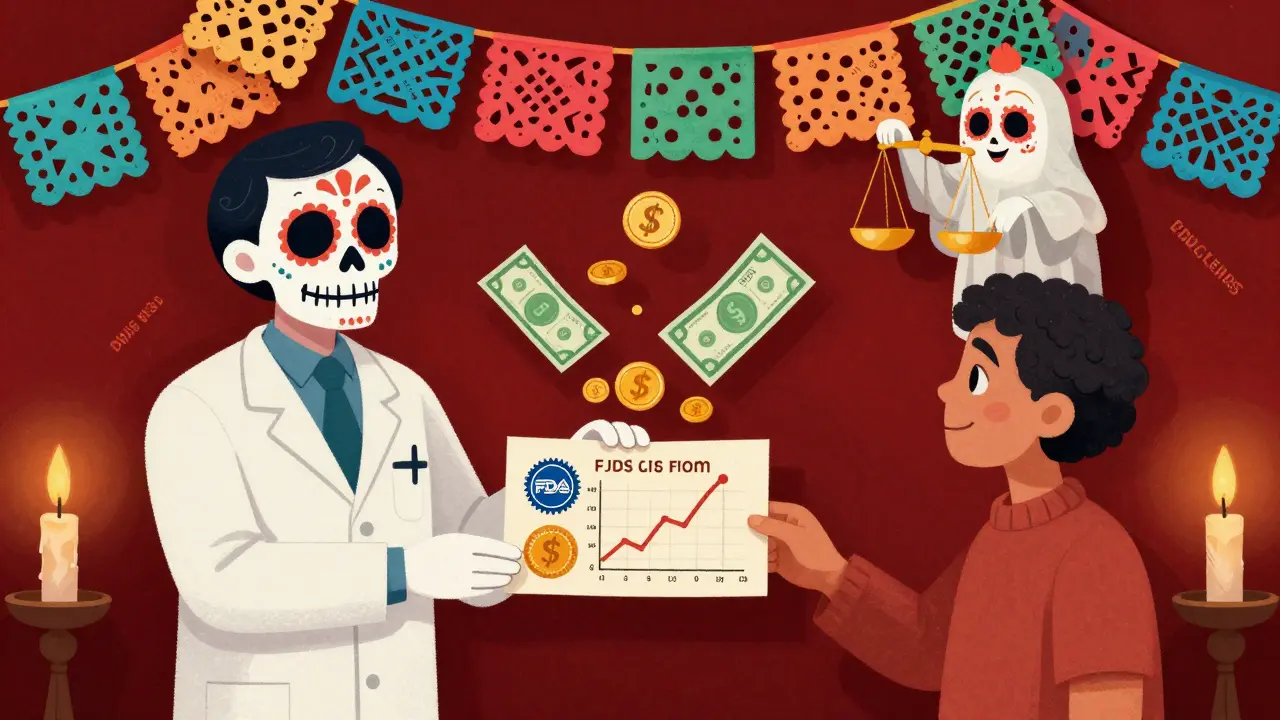
Infographics like the FDA’s "What Makes a Generic the Same as a Brand-Name Drug?" break this down with clear visuals. One shows two pills side by side - one branded, one generic - with a bold arrow pointing to the identical active ingredient inside. Below it, a graph compares how fast each dissolves in simulated stomach fluid. The lines match almost perfectly. That’s bioequivalence. And it’s not a guess. It’s tested in labs with real human data.
Patients often think the color, shape, or size means something. But those differences are just inactive ingredients - dyes, fillers, coatings. They don’t affect how the medicine works. One pharmacist in California told Reddit users she keeps a printed copy of this infographic behind the counter. "It cuts counseling time in half," she wrote. "People see it, nod, and say, ‘Oh, so it’s really the same.’"
How the FDA Ensures Safety and Quality
Some patients worry that because generics cost less, they’re made in lower-quality factories. That’s a myth. The FDA inspects every manufacturing plant - whether it’s for a brand-name drug or a generic - using the same standards. In fact, many brand-name companies make their own generics after the patent expires.
An infographic from the FDA called "Postmarketing Surveillance of Generic Drugs" shows how the agency tracks problems after a drug hits the market. It uses icons to represent reports of side effects, recalls, and inspections. The data shows no difference in safety rates between generics and brand-name drugs over the last decade.
And it’s not just the U.S. The European Medicines Agency, Health Canada, and the World Health Organization all use similar testing protocols. If a generic passes FDA approval, it’s held to the same bar as the original.
Why This Matters for Your Wallet - and Your Health
Generic drugs saved the U.S. healthcare system $1.68 trillion between 2010 and 2019. That’s not a small number. That’s enough to cover the entire annual budget of the CDC for more than 15 years.
For patients, it means out-of-pocket costs drop dramatically. A 30-day supply of a brand-name blood pressure pill might cost $120. The generic? $4. That’s not a typo. And when patients can afford their meds, they take them. That leads to fewer hospital visits, fewer complications, and better long-term outcomes.
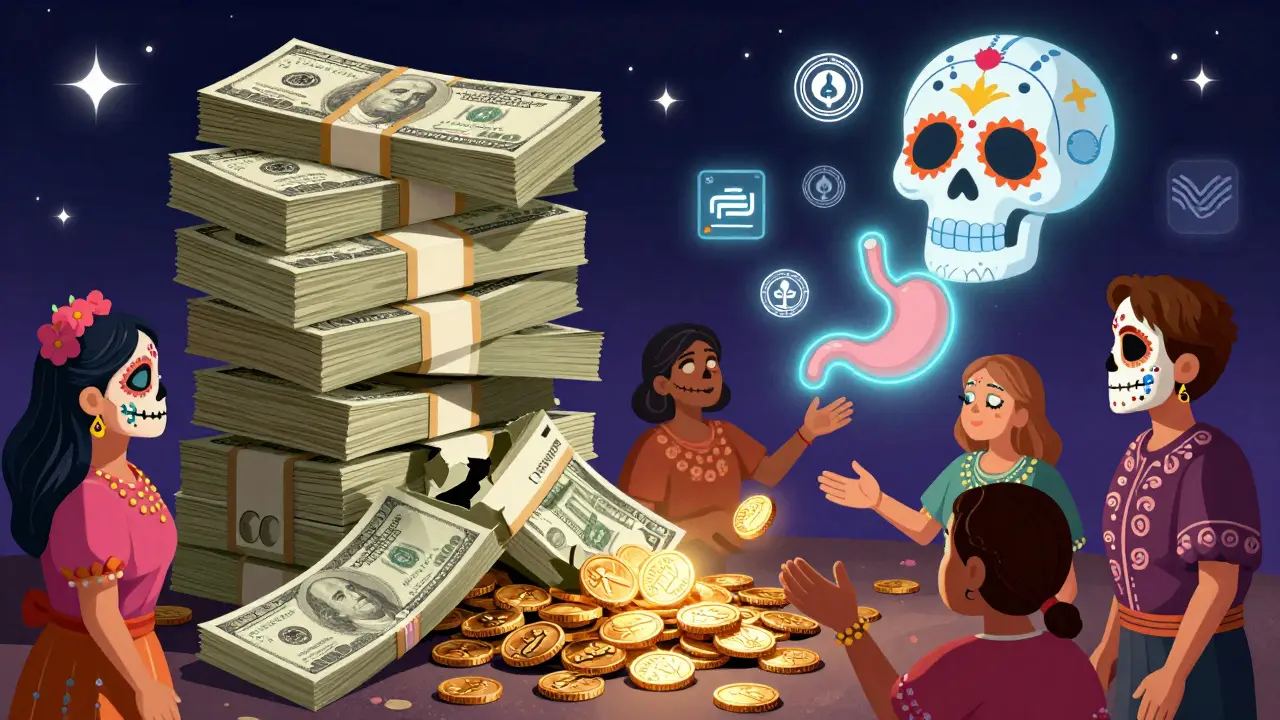
Infographics make this real. One visual shows a stack of $100 bills labeled "Brand-Name Cost" - towering over a tiny pile of coins labeled "Generic Cost." Another shows a timeline: 2010 - $200 billion saved. 2015 - $1.2 trillion saved. 2023 - $313 billion saved in one year alone.
These aren’t just numbers. They’re choices. Choosing a generic doesn’t mean choosing less care. It means choosing better access.
Who Uses These Infographics - and How?
These tools aren’t just for patients. Pharmacists, nurses, and doctors use them daily. At Kaiser Permanente in Southern California, 78% of pharmacists said they regularly pull out FDA infographics during consultations. The result? A 63% drop in patient refusals of generic substitutions.
Health systems are integrating them into digital portals. Epic Systems, one of the largest electronic health record platforms, added FDA generic infographics to its patient education module in late 2022. In six months, 450,000 patients viewed them.
But it’s not just about putting them online. The best clinics print them out. They hang them in waiting rooms. They hand them to patients at the counter. They’re not fancy. They’re simple. And they work.
Where These Tools Fall Short
Not all infographics are created equal. The FDA’s materials are the gold standard - clear, tested, and backed by data. But others? They’re weaker.
Some skip the hard science. Others don’t explain why two pills can look different but still be identical. A few don’t mention that generics can come from different manufacturers - and that’s okay. The FDA approves each one separately.
And there’s a bigger gap: health equity. African American and Hispanic patients are more likely to distrust generics. Yet most infographics don’t address this directly. The FDA’s "Generic Drugs and Health Equity Handout" is one of the few that does. It shows how lower costs help low-income families, uninsured patients, and rural communities get the meds they need.
Another blind spot: narrow therapeutic index drugs - like warfarin or levothyroxine. Small changes in dose can matter. The FDA’s infographics don’t clearly warn patients that switching brands here might need extra monitoring. Experts like Dr. Aaron Kesselheim from Harvard say this could mislead people into thinking all generics are interchangeable, no matter the drug.
What’s Next for Generic Drug Education
The tools are getting smarter. In January 2023, the GTMRx Institute launched interactive digital infographics. You can type in your meds, and it shows you which ones have generics, how much you’d save, and what to watch for.
The FDA is testing augmented reality. Imagine scanning your pill bottle with your phone. A 3D model pops up showing the active ingredient matching the brand version. It’s still in testing, but early results are promising.
And funding is growing. Two federal laws passed in 2022 and 2023 increased support for patient education materials by 40%. That means more infographics, better translations, and wider access.
How to Use These Tools - Even If You’re Not a Doctor
You don’t need a medical degree to use these resources. Here’s how:
- Go to the FDA’s website and search "generic drugs infographics"
- Download the ones that interest you - especially "What Makes a Generic the Same" and "Facts About Generic Drugs"
- Print them or save them on your phone
- Bring them to your next pharmacy visit
- Ask your pharmacist: "Can you show me how this generic matches my brand?"
Don’t be shy. These visuals were made for you. They’re written at an 8th-grade reading level. They include alt text for screen readers. They’re designed to be understood - not memorized.
And if you’re a caregiver, parent, or friend helping someone manage meds? Share them. A single printed page can change someone’s entire approach to their health.
Final Thought: Seeing Is Believing
Words can confuse. Numbers can overwhelm. But a simple picture? That sticks.
Generics aren’t cheaper because they’re worse. They’re cheaper because they don’t need to spend millions on ads or rebranding. The science is the same. The results are the same. The only thing that changes is the price tag.
These infographics don’t just explain medicine. They rebuild trust. And in a world where people are tired of being talked down to, that’s powerful.
Are generic drugs really as effective as brand-name drugs?
Yes. By law, the FDA requires generic drugs to have the same active ingredient, strength, dosage form, and route of administration as the brand-name version. They must also be bioequivalent - meaning they work the same way in your body. Studies show no difference in effectiveness or safety between generics and brand-name drugs when used as directed.
Why do generic pills look different from brand-name ones?
The difference in color, shape, or size comes from inactive ingredients - like dyes, fillers, or coatings - which don’t affect how the drug works. U.S. law doesn’t allow generics to look identical to brand-name drugs, so manufacturers make them visually distinct. But the active ingredient - the part that treats your condition - is identical.
Can I trust generics made in other countries?
Yes. The FDA inspects all manufacturing facilities - whether they’re in the U.S., India, Germany, or elsewhere - using the same strict standards. Every generic drug sold in the U.S. must meet FDA quality, safety, and effectiveness requirements. Many brand-name drugs are also made overseas, so the origin doesn’t determine quality.
Do generics take longer to work than brand-name drugs?
No. Generic drugs are tested to dissolve at the same rate and be absorbed into the bloodstream at the same speed as the brand-name version. This is called bioequivalence. If a generic absorbed more slowly or less completely, it would fail FDA approval. The FDA’s dissolution graphs show nearly identical results for both types.
Should I avoid generics for drugs like warfarin or thyroid medicine?
For drugs with a narrow therapeutic index - like warfarin, levothyroxine, or seizure medications - small changes in dose can matter. While generics are still safe and effective, your doctor or pharmacist may recommend staying on the same brand or generic version to avoid potential fluctuations. Always discuss switching with your provider, especially for these medications.
Where can I find reliable generic drug infographics?
The U.S. Food and Drug Administration (FDA) offers free, scientifically reviewed infographics on its website. Search for "FDA generic drug infographics" or visit their Medication Information page. These are the most trusted resources, used by clinics and pharmacies nationwide. Avoid unofficial sources that lack citations or FDA approval.
Do infographics really help patients understand generics better?
Yes. Studies show patients who view FDA infographics are 3.2 times more likely to understand key concepts like bioequivalence and manufacturing standards than those who only receive verbal explanations. In one survey, 87% of patients said the visuals made the information easier to remember. Pharmacists report fewer questions and less resistance after showing these tools.
How much money can I save by using generics?
On average, generics cost 80-85% less than brand-name drugs. A 30-day supply that costs $120 as a brand may cost just $4 as a generic. Over a year, switching to generics for multiple prescriptions can save hundreds or even thousands of dollars. The U.S. healthcare system saved $313 billion in 2023 alone thanks to generic drug use.
Are there any downsides to using generic drugs?
The main downside isn’t safety - it’s perception. Some patients worry about switching between different generic manufacturers, even though each batch is tested and approved. Rarely, people may notice slight differences in side effects due to inactive ingredients (like fillers), but this is uncommon. Always talk to your pharmacist if you notice any changes after switching.
Can I ask my pharmacist to show me the infographic during my visit?
Absolutely. Pharmacists are trained to use these tools, and many keep printed copies on hand. Asking for an infographic shows you’re informed and engaged - which most pharmacists appreciate. It’s a conversation starter, not a challenge. Don’t hesitate to say, "Can you show me how this generic is the same as my brand?"
Danny Gray
January 17, 2026 AT 19:12So let me get this straight - we’re celebrating infographics because they show two pills look different but work the same? Cool. But what about the people who switch from brand to generic and get weird side effects? You think that’s placebo? Nah. It’s the fillers. The dyes. The fucking binders. And nobody talks about that because it doesn’t fit the narrative.
Wendy Claughton
January 19, 2026 AT 01:24I just printed out the FDA infographic and put it on my fridge 😊 I showed it to my mom last week - she’s 72 and has been refusing her generic blood pressure med for years because ‘it looks wrong.’ She cried when she saw the science side-by-side. Sometimes, a picture really does speak louder than a thousand prescriptions.
Chuck Dickson
January 19, 2026 AT 20:52Look, I get why people are skeptical. I used to be one of them. But after my kid got asthma and we were paying $150 for brand-name inhalers? I switched. Saved $120 a month. No difference in symptoms. No side effects. Just… cheaper. The system isn’t perfect, but generics? They’re one of the few things that actually work the way they’re supposed to.
Naomi Keyes
January 20, 2026 AT 00:26It’s important to note that the FDA’s bioequivalence threshold is 80%-125% - which means, technically, a generic could be up to 25% less effective or 25% more potent than the brand. This is not ‘identical.’ It’s statistically acceptable. There’s a difference.
Dayanara Villafuerte
January 21, 2026 AT 07:45Oh wow, so now we’re giving gold stars to a government agency that lets Chinese factories make our meds? 🤡 The FDA inspects ‘em? Sure. Right after they get a 3-day heads-up. And don’t even get me started on the 80% of generics that come from India. My cousin’s uncle’s neighbor works at a plant in Hyderabad - he says they run 24/7 with one guy cleaning the machines between batches. 😒
Tyler Myers
January 21, 2026 AT 15:1690% of prescriptions are generic? Yeah. And 90% of the people taking them don’t know what’s actually in them. The real agenda? Big Pharma wants you dependent on cheap, mass-produced chemicals so you never question why your thyroid meds make you feel like a zombie. They don’t care if you live - they care if you keep buying.
Stacey Marsengill
January 23, 2026 AT 09:14I used to be a believer in generics… until I switched to the generic version of my antidepressant and spent three weeks crying in the shower, unable to get out of bed. I went back to the brand. I felt like a human again. They say it’s ‘the same.’ But your soul doesn’t care about bioequivalence. It cares about feeling alive.
Aysha Siera
January 24, 2026 AT 08:07India makes 40% of the world's generics. FDA inspects? Ha. They send a guy with a checklist. The factory gives him chai. He smiles. Signs papers. That’s it. Your medicine? Made by someone who doesn’t speak English. You trust that?
rachel bellet
January 25, 2026 AT 14:15There is a documented phenomenon known as the ‘generic drug discontinuation effect’ - patients who switch from brand to generic exhibit increased non-adherence due to perceived inferiority, regardless of pharmacokinetic equivalence. The psychological burden of stigma outweighs the economic benefit. This infographic does not address cognitive dissonance.
Praseetha Pn
January 27, 2026 AT 06:45Let me tell you something - I worked in a pharmacy in Mumbai. We shipped generics to the U.S. every week. The active ingredient? Same. The fillers? Sometimes cornstarch. Sometimes sawdust. I’ve seen pills that crumbled in your hand. The FDA doesn’t check every batch. They check paperwork. And guess what? Paperwork doesn’t taste bitter.
Andrew Short
January 28, 2026 AT 00:56Infographics? Cute. But you know what’s really happening? Big Pharma owns the generic manufacturers. They make the brand. Then they make the generic. Same factory. Same people. Same profit margin. The only thing that changed? The label. You’re not saving money. You’re just paying the same person under a different name.
christian Espinola
January 28, 2026 AT 15:17One sentence: If your doctor prescribes a brand-name drug for a narrow therapeutic index medication - like levothyroxine - and you switch to a generic without monitoring TSH levels, you are risking your health. Period.