You open your medicine cabinet and grab that familiar prescription refill, only to pause. The pill looks different. Maybe it's smaller, a different shade of blue, or lacks the logo you've trusted for years. It's natural to feel a flicker of worry. Is this still the right medicine? Did the pharmacy make a mistake? The reality is far simpler than that anxiety suggests. While the active ingredients remain the exact same, regulatory and legal frameworks dictate that generic versions simply cannot mimic the look of the original.
This distinction isn't just cosmetic flair; it's rooted in intellectual property protection. When pharmaceutical companies create a new brand-name drug, they earn exclusive rights to its identity, much like a company protecting its logo. Because of United States trademark laws, a generic manufacturer cannot create a copycat product that looks identical to the branded version. This legal barrier ensures that the brand owner maintains recognition for their invention while allowing competition on price and access.
The Legal Framework Behind Drug Appearance
To understand the visual differences, you first have to understand the rules that govern them. The Food and Drug Administration (FDA) enforces strict guidelines that separate the function of a drug from its identity. Under federal law, generic medications are legally prohibited from matching the exact trade dress of a brand-name product. "Trade dress" refers to the visual characteristics that identify a product, such as its shape, color, size, and even packaging design.
Generic Drugs are defined by the FDA as medications containing the same active ingredient as a brand-name drug, approved after the patent expires, but distinct in appearance due to trademark protections. While the internal chemistry remains identical, these external identifiers are legally mandated to vary between manufacturers.
The legislation driving this comes from the Drug Price Competition and Patent Term Restoration Act of 1984, commonly known as the Hatch-Waxman Act. This act created a balance. On one side, it protected the innovation of the original developers. On the other, it opened the floodgates for affordable alternatives once patents expired. If generic manufacturers could produce a visual clone, it would undermine the intellectual property value of the brand-name drug. Therefore, every change you see-whether a pink tablet instead of a white capsule, or a lack of imprint text-is intentional compliance.
The Chemistry: Active vs. Inactive Ingredients
Despite the visual overhaul, the part of the medicine that actually does the work stays consistent. Every generic pill contains the same active ingredient as its brand-name counterpart. This is non-negotiable. The FDA requires that generic drugs demonstrate bioequivalence, meaning they release the same amount of drug into the bloodstream over the same amount of time as the brand name.
However, what gives the pill its physical form involves inactive ingredients, often called excipients. These are substances that hold the pill together, coat it to control when it dissolves, or provide flavor and color. While they play no role in curing your condition, they define the pill's sensory experience. A generic manufacturer might use a different type of cellulose binder or a different food dye. Since these elements don't affect the therapeutic outcome, manufacturers choose options that fit their production processes and budget constraints, leading to the variations you notice.
| Feature | Brand-Name Medicine | Generic Medicine |
|---|---|---|
| Active Ingredient | Identical | Identical |
| Dosage Strength | Fixed standard | Identical strength |
| Clinical Effect | Same therapeutic outcome | Same therapeutic outcome |
| Appearance (Color/Shape) | Unique proprietary design | Mandatory variation |
| Inactive Ingredients | Proprietary formulation | Different excipients allowed |
Consider the popular antidepressant fluoxetine. The brand-name version, Prozac, has a very recognizable look. However, multiple generic versions exist, manufactured by different companies like Teva or Mylan. One might be a white oval tablet, while another is a scored yellow capsule. Despite these differences, the body absorbs the chemical payload exactly the same way in both cases. The 80% to 125% range used for bioequivalence testing is a scientific standard ensuring that absorption rates fall well within safe margins for nearly all patients.
Safety Concerns and Exceptions
Most people assume that if it looks different, it works differently. Clinical data contradicts this fear. Studies cited by the American Medical Association show that for the vast majority of conditions, switching between brands and generics causes no change in health outcomes. Doctors treat millions of patients with these substitutes daily without issue.
There are, however, exceptions where extra vigilance is needed. Certain medications fall into a category known as narrow therapeutic index drugs. Examples include warfarin (a blood thinner), levothyroxine (for thyroid disorders), and phenytoin (used for seizures). These drugs have a very small margin between the dose that heals and the dose that hurts. For these specific medicines, some doctors recommend sticking to one manufacturer to maintain consistency in how the body responds, even if the FDA approves different appearances.
It is crucial to understand that visual confusion is the primary risk, not chemical failure. There have been documented cases where a patient mistook two different medications because their shapes looked similar, leading to accidental overdoses. This is why pharmacies now often implement alert systems. If you regularly pick up a heart medication and suddenly get a different looking bottle, the pharmacy software is designed to flag this change so the pharmacist can explain it to you before you leave.
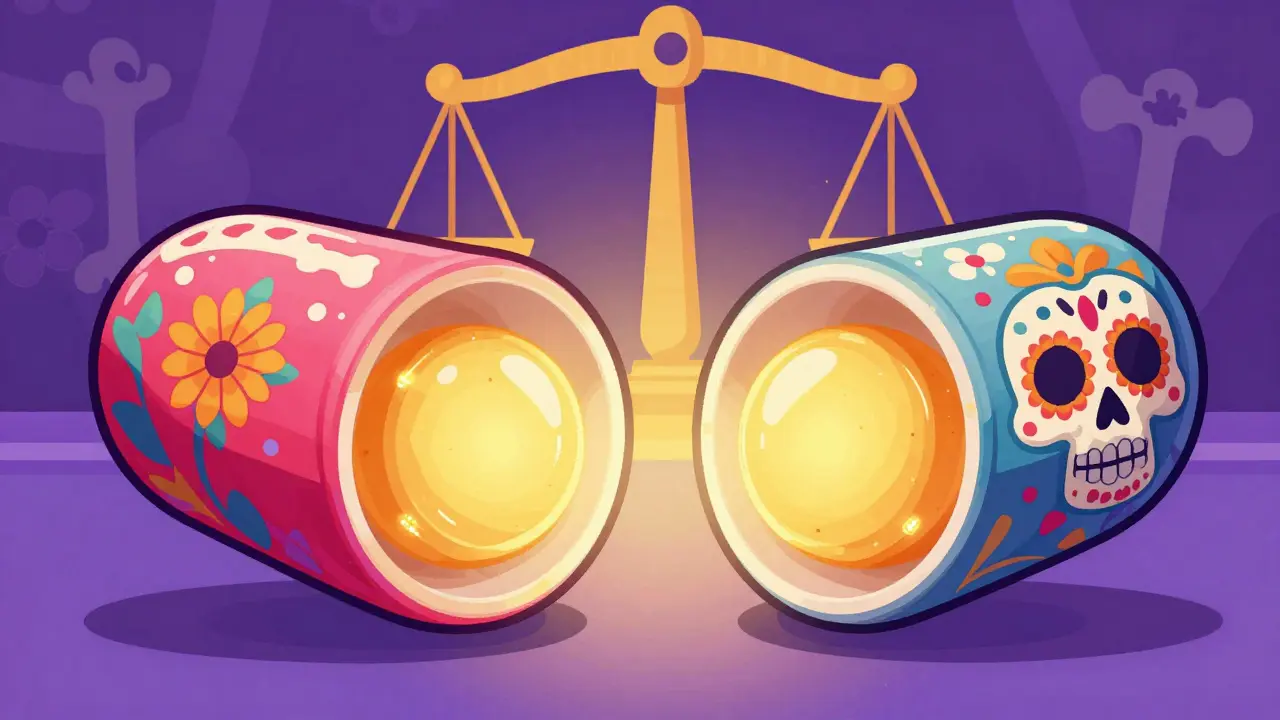
Economic Factors Driving Variety
Beyond safety and legality, economics plays a massive role in why these variations exist. Generic drugs are significantly cheaper than brand-name options. This price difference creates a highly competitive market where dozens of companies vie for the contract to supply pharmacies. Each company brings its own manufacturing equipment, facility standards, and production techniques. Replicating the exact mold of another company is technically difficult and legally forbidden.
Because the goal of generic programs is affordability, companies focus their resources on keeping costs down rather than spending millions on R&D to match a competitor's pill coating perfectly. A study noted that the average generic saves healthcare systems billions annually. That collective saving allows millions more people to afford necessary treatment. The trade-off for lower prices is often the variability in aesthetics. You pay less, but you accept that the package design isn't standardized across the industry.
Patient Experiences and Adherence
For patients living with chronic conditions, consistency provides comfort. A sudden change in pill appearance can trigger "nocebo" effects, where the expectation of worse performance leads to feeling worse. Research indicates that roughly 14% of patients discontinue therapy temporarily or permanently when their medication looks unfamiliar. Some stop taking the drug entirely, fearing it is fake or ineffective.
This reaction highlights a gap in consumer education. Many patients do not realize that the color of a pill is irrelevant to its power. Pharmacy teams are increasingly using tools to bridge this gap. Some chain pharmacies have introduced "medication synchronization," aligning refill dates to ensure a patient gets bottles from the same supplier repeatedly. Others attach printed images of the new pills to the label so patients recognize the next refill immediately.
If you notice your medicine looks different, verify the active ingredient listed on the box matches your previous prescription. Contact your pharmacist for reassurance if the change feels drastic or if the tablet is crumbly or smells unusual.
What You Should Do About It
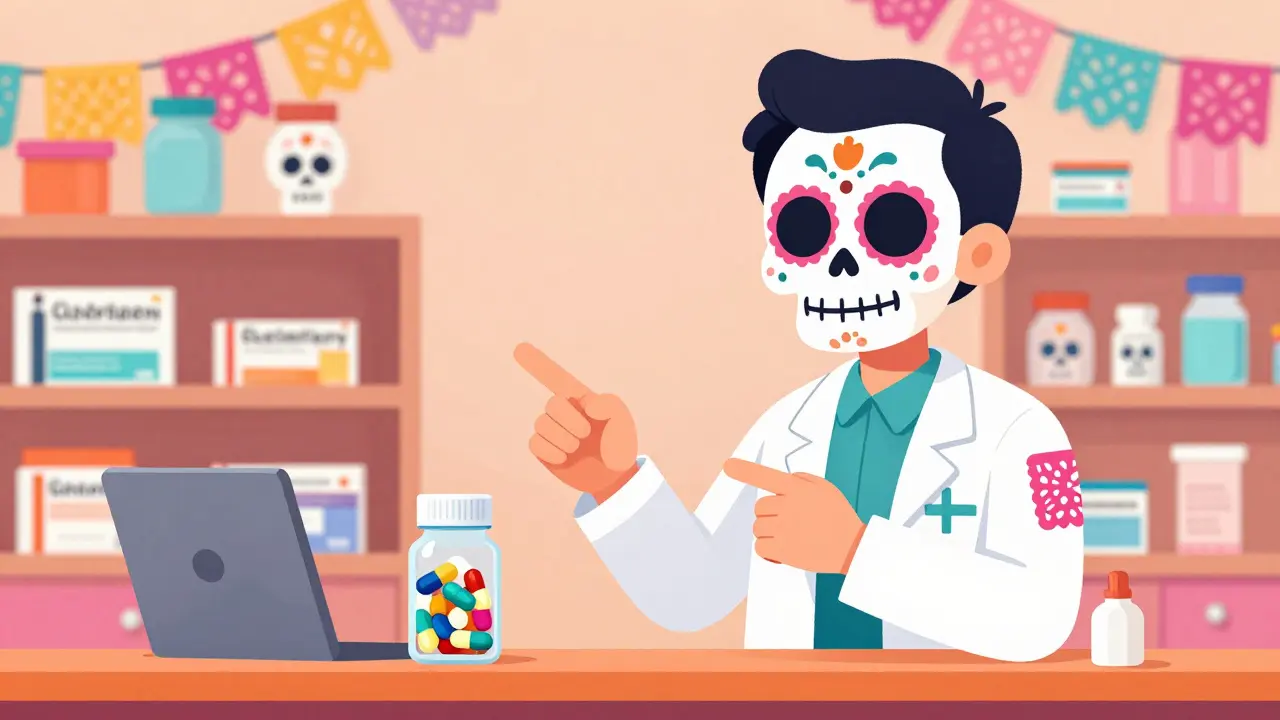
When you encounter a generic that looks unlike what you remember, here is a simple action plan to handle the situation safely:
- Check the Label: Confirm the drug name and milligram dosage (e.g., 10mg) match your usual prescription.
- Ask Your Pharmacist: Simply ask, "Did my manufacturer change?" They can check the dispensing system to verify who made the batch.
- Verify Storage: Ensure the pill hasn't been exposed to extreme heat or light, which can sometimes alter the look of tablets.
- Discuss Preferences: If you prefer the brand name for peace of mind, you can ask your doctor to write "Dispense As Written." Be aware this may require paying a higher copay.
Remember, the goal of modern medicine is accessibility. Visual differences are the price we pay for the availability of affordable treatments for everyone. By understanding the rules behind the colors and shapes, you can keep your routine consistent without unnecessary stress.
Frequently Asked Questions
Can I mix brand-name and generic versions?
Generally, yes. Since they contain the same active ingredient, they are chemically interchangeable. However, for sensitive drugs like thyroid hormones, staying with one manufacturer is safer to prevent hormonal fluctuations.
Why do the pills change color all the time?
Pharmacies stock whichever generic manufacturer has the lowest price or highest inventory availability at that moment. If Manufacturer A runs out, Manufacturer B takes over, often changing the pill's color or imprint.
Are generic drugs always approved by the FDA?
Yes. Only generic medications labeled "FDA Approved" on the packaging meet federal safety standards. Drugs without this verification, like compounded medicines, follow different rules and do not require identical testing.
Does the size of the pill matter?
Not typically. Size depends on filler materials. A smaller pill likely means less inactive binding agent. It does not indicate a weaker dose unless the milligram count on the label is lower.
How can I stop getting different generics?
You can request "manufacturer preference" at your pharmacy. Most chains allow you to specify a preferred vendor for chronic refills, ensuring the pills stay consistent across visits.
Will Baker
April 3, 2026 AT 09:53They probably cut corners somewhere even if the label claims otherwise.
Dee McDonald
April 4, 2026 AT 22:31Your skepticism is misplaced and you are wasting energy worrying about non existent risks
Joseph Rutakangwa
April 5, 2026 AT 19:56cheaper meds mean people get saved lives instead of debt
Sam Hayes
April 7, 2026 AT 05:03yeah totally and most insurance plans force the generic option anyway because the price difference is huge and doctors rarely push back on that rule anymore
Beth LeCours
April 8, 2026 AT 08:44hate when my pills change color it looks like a fake version of the old stuff
Branden Prunica
April 9, 2026 AT 06:18It feels like a betrayal every time I open the bottle and see a completely different shape inside the container
I remember once I took a different color pill and felt sick all afternoon even though it was the right dose
The anxiety alone makes me want to stop taking any medication entirely regardless of what studies say
It is such a mess how we rely on these small plastic tablets to keep us alive daily
I wish companies would just pick one look and stick with it forever for peace of mind sake
Still I am never going to trust a pharmacy that swaps manufacturers without calling me first to explain the change
The uncertainty weighs heavy on my mind every morning when I reach into the cabinet for my refill
Divine Manna
April 11, 2026 AT 01:08The intellectual property framework is necessary for maintaining innovation incentives within the global market economy
Joey Petelle
April 11, 2026 AT 06:06Oh look the patent lawyers won again while regular folk pay extra for shiny logos instead of medicine
Sakshi Mahant
April 12, 2026 AT 02:09Accessibility remains crucial for developing nations where branded drugs are simply unaffordable for many families
HARSH GUSANI
April 12, 2026 AT 19:54We need strong protection laws to stop bad actors from making cheap fakes 🚫💊😠🛑
Goodwin Colangelo
April 13, 2026 AT 01:19It really helps to know the legal side of things because people get scared when the pill changes shape
The active ingredient stays the same so the cure works exactly how it did before
You might worry about the filler stuff but that just keeps the tablet together during shipping
Bioequivalence testing ensures absorption rates stay within tight safety limits every single time
Insurance companies love generics because they keep costs down for everyone involved in the system
Doctors switch them all the time without thinking twice about the different colors you see
It is important to check the label though so you know the milligram count matches your usual dose
Pharmacists usually flag these changes in their software before handing over the bottle to customers
If you have a narrow therapeutic index drug you might want to talk to your doctor specifically
Most people find that sticking with one manufacturer helps with consistency over long periods of treatment
Safety protocols are actually much stricter now than they were a decade ago regarding manufacturing standards
Trust the science behind the regulations rather than guessing what the different dye means for potency
It saves the healthcare system billions annually which allows coverage for more patients across the country
The trade dress laws exist to protect original research investments while still allowing competition
Patients should feel empowered to ask their pharmacist about the specific manufacturer name printed on the box
Knowing the details makes the whole experience less stressful and confusing for everyone