Imagine this: you’re stuck in a remote cabin, or perhaps supply chains have ground to a halt due to a crisis. Your child has a fever, or your blood sugar is spiking dangerously high. You open the cabinet and find only one option left-an expired bottle of pills. Do you take them? The answer isn't a simple yes or no. It’s a calculated risk based on chemistry, time, and the specific type of medication.
We often treat expiration dates like cliff edges. One day before, it’s safe; one day after, it’s poison. But reality is more nuanced. While regulations strictly prohibit pharmacies from dispensing expired drugs, the science suggests that many medications remain potent long past their printed date-if they’ve been stored correctly. However, some drugs degrade into dangerous compounds or lose effectiveness so quickly that using them could be fatal. Knowing how to assess that difference can mean the difference between relief and disaster.
The Myth of the Expiration Date
To understand the risk, you first need to understand what that date actually means. In 1979, U.S. law required manufacturers to print an expiration date on all medication packaging. This date represents the final day the manufacturer guarantees full potency and safety. It is not necessarily the day the drug becomes toxic.
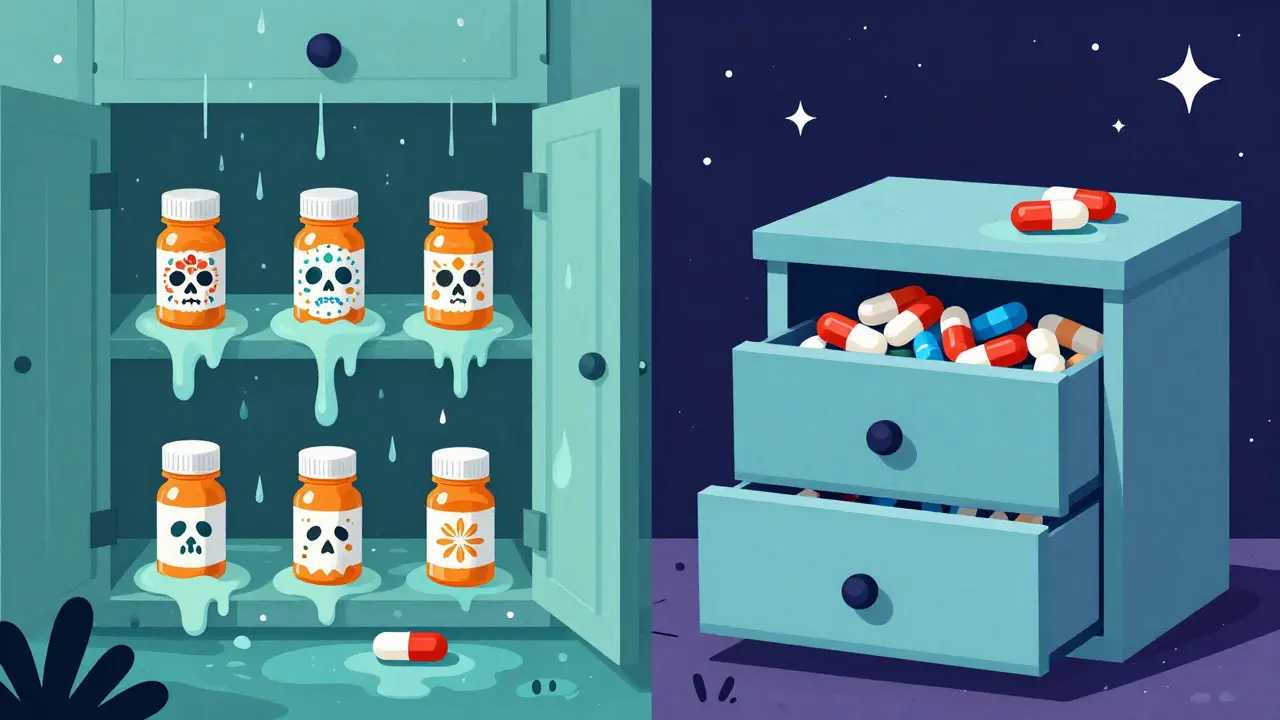
Research, including data from the U.S. Department of Defense’s Shelf Life Extension Program (SLEP), has shown that roughly 90% of medications retain at least 90% of their original potency for years-sometimes up to 15 years-after the expiration date, provided they are stored in ideal conditions. Ideal conditions mean cool, dry, and dark environments. Most home bathrooms fail this test miserably due to humidity from showers, which can accelerate degradation by up to 37%.
However, there is a major catch. Manufacturers conduct stability testing under controlled lab settings. They do not account for the temperature swings in your car glovebox or the humidity in your bathroom cabinet. Because they cannot guarantee how *you* stored the drug, they set conservative dates. This creates a gap between scientific potential and legal liability. When you are forced to use an expired drug, you are stepping into that gap without a safety net.
Drugs That Should Never Be Used Past Their Date
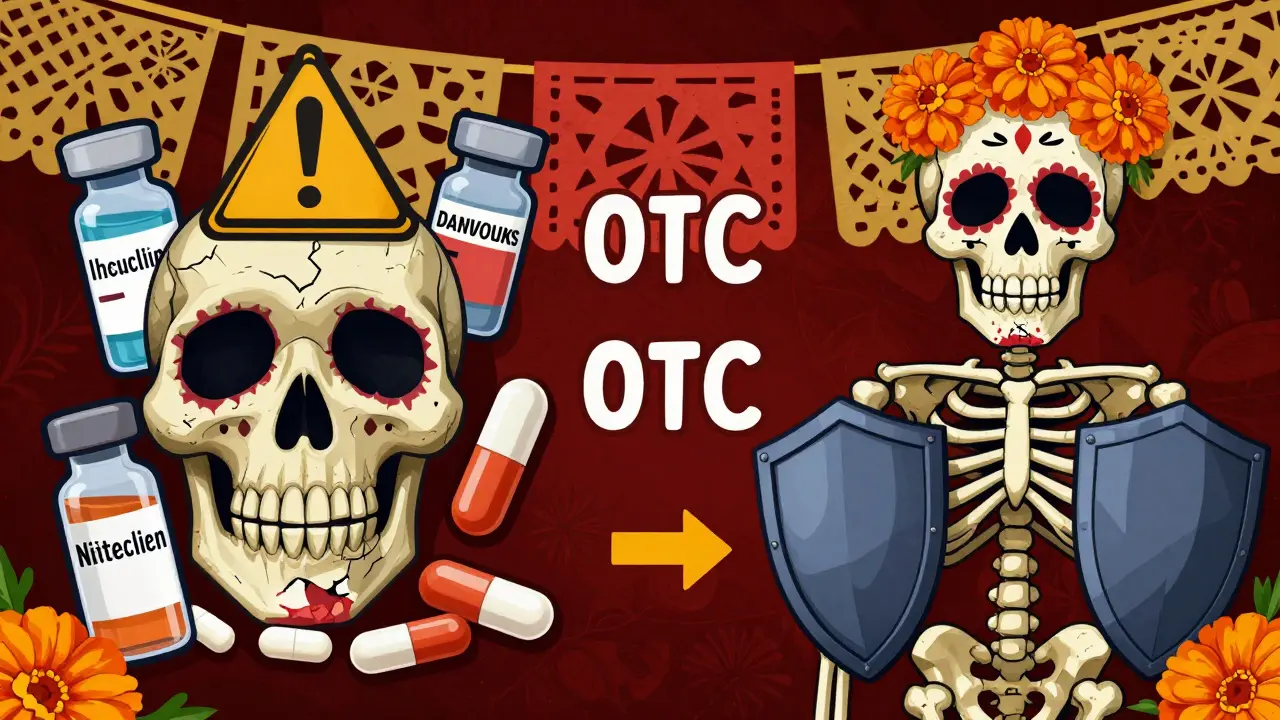
Not all expired medications are created equal. Some categories pose immediate, life-threatening risks if used after expiration. If you are assessing risk, these are the "hard no"s. Under no circumstances should you use these if they are expired:
- Insulin is a hormone critical for regulating blood sugar levels. Insulin degrades rapidly. Using expired insulin can lead to unpredictable blood sugar spikes, potentially causing diabetic ketoacidosis, a medical emergency. The structure of the protein breaks down, rendering it ineffective or erratic.
- Nitroglycerin is a medication used to treat chest pain (angina) associated with heart disease. This drug is highly volatile. It loses potency quickly, especially if exposed to light or air. Relying on expired nitroglycerin during a cardiac event could result in treatment failure when every second counts.
- Tetracycline is an antibiotic used to treat various bacterial infections. Unlike most drugs that simply become less effective, tetracycline can break down into toxic compounds that damage the kidneys. This is one of the rare cases where an expired drug actively harms your organs rather than just failing to help.
- Epinephrine (EpiPen) is a life-saving injection used to treat severe allergic reactions (anaphylaxis). Epinephrine is sensitive to heat and light. An expired EpiPen may not deliver enough dose to reverse anaphylaxis, which is fatal within minutes without proper treatment.
- Liquid Antibiotics are suspensions or solutions used to treat bacterial infections. Liquid formulations are breeding grounds for bacteria once opened, and even sealed liquids can undergo chemical decomposition. The CDC warns that expired liquid medications may grow bacteria or create toxic byproducts.
If the medication falls into any of these categories, throw it away. The risk of organ damage, treatment failure in a life-or-death scenario, or toxicity far outweighs any benefit.
Assessing Safer Categories: Tablets and Capsules
If the medication is not on the "never use" list, you move to the next stage of assessment: formulation. Solid oral dosage forms, such as tablets and capsules, are generally the most stable. They resist moisture and oxidation better than liquids or creams.
For over-the-counter (OTC) pain relievers like ibuprofen (Advil, Motrin) or acetaminophen (Tylenol), the risk is primarily reduced effectiveness, not toxicity. Studies suggest that acetaminophen may retain about 80% of its effectiveness after its shelf life expires. If you have a mild headache, taking an expired Tylenol pill that is slightly less potent might still provide relief. The downside is that you might need to take more, but since these drugs have wide safety margins, a slight drop in potency is rarely dangerous for healthy adults.
However, prescription strength medications require more caution. If you are treating a chronic condition like hypertension or seizures, even a 10-20% drop in potency can be significant. Sub-therapeutic dosing means the drug isn’t working well enough to control the condition, leading to breakthrough symptoms or complications. For example, expired birth control pills may fail to prevent pregnancy, while expired thyroid medication can destabilize metabolism.
The Visual Inspection Protocol
When alternatives are unavailable, visual inspection is your primary tool. You cannot taste-test for potency, and you certainly shouldn’t smell for toxins unless something is obviously rancid. Instead, look for these physical signs of degradation:
- Discoloration: Have the pills changed color? A white tablet turning yellow or brown indicates chemical breakdown. If the color is different from when you bought it, discard it.
- Texture Changes: Gel capsules are particularly sensitive to heat and humidity. If they feel sticky, soft, or melted together, the shell has compromised the integrity of the drug inside. Throw them out.
- Odor: While most pills are odorless, a strong, unusual, or sour smell can indicate bacterial growth or chemical decomposition. Trust your nose here.
- Particulate Matter: In liquid medications, look for cloudiness, separation that doesn’t mix back together with shaking, or visible particles floating in the solution. These are signs of contamination or precipitation.
Keep in mind that visual inspection is imperfect. Some dangerous degradations happen at a molecular level and are invisible to the naked eye. If the drug looks fine but was stored in a hot car for months, it may still be degraded. Storage history is the biggest unknown variable in this equation.
Calculating Time Since Expiration
Time is a critical factor in risk assessment. The FDA’s broad claim that many drugs are safe for up to 15 years post-expiration applies only to drugs stored in perfect conditions. In real-world household settings, the window is much shorter.
A practical rule of thumb from clinical guidelines is that medications expired less than 12 months ago carry lower risk than those expired several years ago. For OTC analgesics like ibuprofen, using a pill expired by a few months is generally considered low-risk for minor ailments. However, if a medication expired five years ago, the likelihood of significant potency loss is high, regardless of how good it looks.
Consider the urgency of the situation. If you are treating a non-life-threatening issue like a mild allergy or a tension headache, the margin for error is wider. Using an antihistamine like Benadryl or Zyrtec that expired recently presents minimal danger beyond the possibility that it won’t work. If it fails, you can try other measures. But if you are treating a serious infection with antibiotics, sub-potent doses can lead to treatment failure and contribute to antibiotic resistance. In high-stakes scenarios, the lack of reliable home testing methods for potency makes expired antibiotics a poor choice.
| Medication Type | Primary Risk | Assessment Recommendation |
|---|---|---|
| Insulin / Nitroglycerin | Treatment Failure / Toxicity | Never Use. Discard immediately. |
| Liquids / Eye Drops | Bacterial Growth / Chemical Decomposition | High Risk. Avoid unless absolutely necessary and visually clear. |
| Antibiotics (Solid) | Sub-therapeutic Dosing / Resistance | Moderate Risk. Only for minor issues; avoid for serious infections. |
| OTC Pain Relievers (Tablets) | Reduced Potency | Low Risk. Acceptable for minor symptoms if stored well. |
| Allergy Meds (Tablets) | Reduced Potency | Low Risk. Safe to try if no alternatives exist. |
Vulnerable Populations Require Higher Caution
Risk assessment is not one-size-fits-all. The same expired pill that poses a minor inconvenience to a healthy adult could be dangerous for others. Children, the elderly, and immunocompromised individuals have less physiological resilience. Their bodies may struggle to compensate for sub-potent medications or handle trace contaminants.
For example, an elderly patient with kidney issues taking expired tetracycline faces a higher risk of renal damage than a younger person. Similarly, a child with a fever needs accurate dosing; if the medication is degraded, you might inadvertently overdose them by giving extra pills to achieve effect, or underdose them, allowing the fever to spike. In these cases, the threshold for using expired medication should be extremely high. Err on the side of disposal.
Practical Steps for Emergency Decision-Making
If you find yourself in a situation where expired medication is your only option, follow this systematic protocol to minimize harm:
- Identify the Drug Category: Is it on the "never use" list (insulin, nitroglycerin, tetracycline, epinephrine)? If yes, stop. Find another solution or seek emergency care.
- Check the Formulation: Is it a solid tablet or capsule? These are safer than liquids or injectables. If it’s a liquid, inspect closely for cloudiness or separation.
- Calculate Time Elapsed: How many months or years past expiration is it? Less than 12 months is preferable. More than 2-3 years increases the risk of potency loss significantly.
- Inspect Visually: Look for discoloration, stickiness, or odd odors. If anything looks off, discard it.
- Evaluate the Condition: Is this a life-threatening emergency? If yes, expired meds are likely too risky due to uncertainty. If it’s a minor ailment (headache, mild allergy), the risk is lower.
- Use Minimum Effective Dose: If you decide to proceed, start with the lowest possible dose. Monitor for effects. If it doesn’t work, do not automatically increase the dose, as the drug may be degraded unpredictably.
Remember, this is a last-resort strategy. Proper medication rotation and disposal practices prevent 82% of emergency department visits related to expired drugs. Regularly check your cabinets, dispose of old meds properly via pharmacy take-back programs, and keep a fresh stock of essentials. Assessing risk is always better than avoiding it through preparation.
Can expired antibiotics kill you?
Generally, expired antibiotics do not become toxic in a way that causes immediate death, with the notable exception of tetracycline, which can damage kidneys. However, the greater risk is treatment failure. If an antibiotic has lost potency, it may not fully eradicate the infection, leading to complications or the development of antibiotic-resistant bacteria, which can be life-threatening.
Is it safe to take expired Tylenol or Ibuprofen?
For most healthy adults, taking expired Tylenol (acetaminophen) or Ibuprofen that is only a few months past its expiration date is considered low-risk. These drugs typically degrade slowly and do not form toxic byproducts. The main issue is reduced effectiveness. If the pills look normal and were stored in a cool, dry place, they are likely safe for minor pain relief.
Why are liquid medications riskier than pills?
Liquid medications contain water, which supports bacterial growth. Once opened, preservatives can degrade over time, allowing microbes to multiply. Additionally, the active ingredients in liquids are more chemically unstable and prone to decomposition, which can create harmful substances. Pills are solid and dry, making them more resistant to microbial contamination and chemical breakdown.
How does storage affect medication expiration?
Storage conditions dramatically impact how long a medication remains effective. Heat, humidity, and light accelerate chemical degradation. Medications stored in a bathroom cabinet near a shower degrade up to 37% faster than those stored in a cool, dry bedroom drawer. If a drug was kept in a hot car or humid environment, it may lose potency well before the printed expiration date.
What should I do with expired medications?
The safest way to dispose of expired medications is through a drug take-back program, often available at local pharmacies or law enforcement agencies. If no take-back program is available, the FDA recommends mixing the drugs with an unappealing substance like dirt, cat litter, or used coffee grounds, placing them in a sealed plastic bag, and throwing them in the trash. Flush only those medications specifically listed by the FDA as requiring flushing due to high abuse or toxicity potential.