MAOI Medication Safety Checker
This tool helps identify dangerous combinations between MAOIs and over-the-counter cold medicines. Never take unsafe combinations - they can cause life-threatening hypertensive crisis or serotonin syndrome.
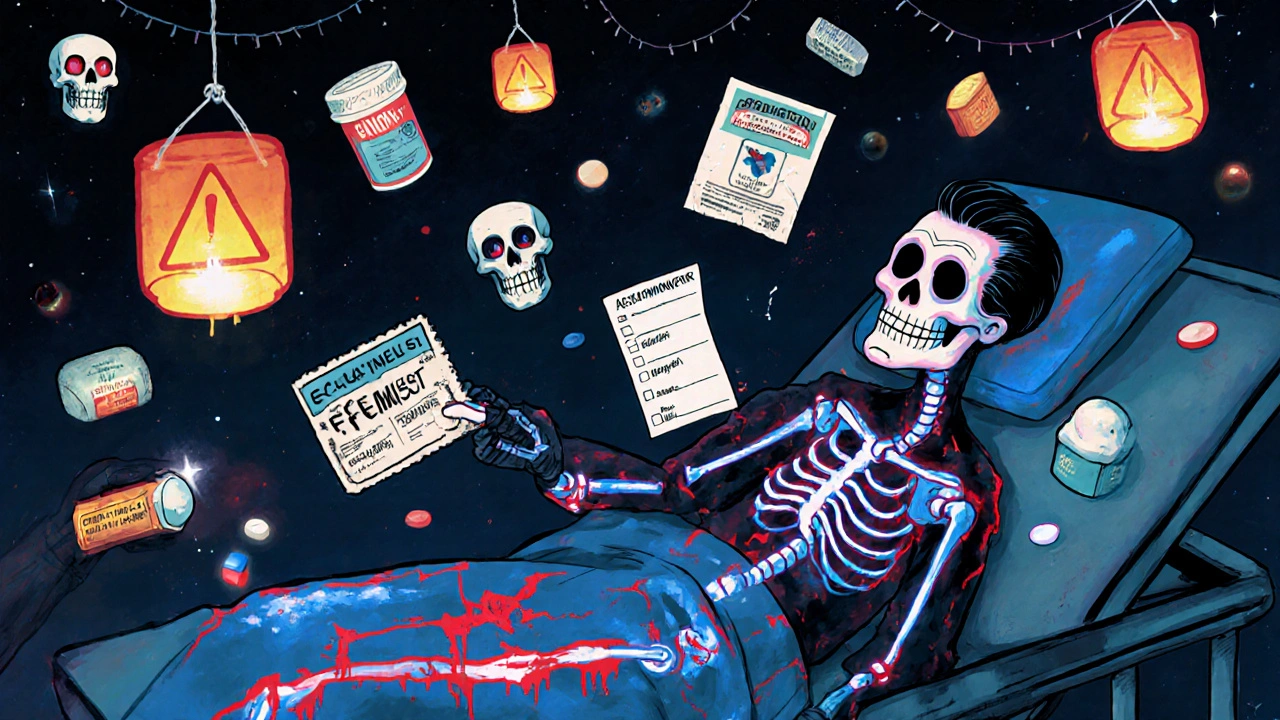
If you're taking an MAOI for depression, a simple cold remedy could send you to the emergency room. This isn't a scare tactic-it's a documented, life-threatening risk backed by decades of clinical data and real patient cases. Monoamine oxidase inhibitors, or MAOIs, are powerful antidepressants that work differently than SSRIs or SNRIs. They’re often the last resort for people who haven’t responded to other treatments. But their power comes with a dangerous catch: many over-the-counter cold and flu medicines can trigger a sudden, dangerous spike in blood pressure-or even serotonin syndrome. And most people have no idea.
Why MAOIs Are Different
MAOIs like phenelzine (Nardil), tranylcypromine (Parnate), and isocarboxazid (Marplan) block an enzyme called monoamine oxidase. This enzyme normally breaks down neurotransmitters like serotonin, norepinephrine, and dopamine. By stopping its job, MAOIs let these chemicals build up in the brain, which helps lift depression. But that same mechanism means your body can’t clear out certain chemicals from cold medicines. When those chemicals pile up, they cause chaos in your nervous system.The most dangerous offenders are decongestants like pseudoephedrine and phenylephrine. You’ll find them in Sudafed, DayQuil, NyQuil, and dozens of other common cold products. These drugs trigger your body to release more norepinephrine. Normally, your liver would break it down quickly. But with an MAOI, that cleanup system is shut off. The result? A rapid, uncontrollable rise in blood pressure-a hypertensive crisis. Blood pressure can jump from normal levels to over 200/110 mmHg in minutes. Symptoms include severe headache, blurred vision, chest pain, nausea, and a pounding heartbeat. Left untreated, it can lead to stroke, heart attack, or death.
The Dextromethorphan Danger
Dextromethorphan, the cough suppressant in Robitussin DM, Delsym, and many multi-symptom cold remedies, is another hidden risk. It’s a serotonergic drug, meaning it increases serotonin in the brain. MAOIs already do the same thing. When you combine them, serotonin levels can surge past safe limits, triggering serotonin syndrome.Serotonin syndrome isn’t just a headache. It’s a medical emergency. Signs include agitation, confusion, rapid heart rate, high body temperature, muscle rigidity, tremors, and seizures. In severe cases, it can cause organ failure. The National Institutes of Health’s StatPearls database calls the combination of MAOIs and dextromethorphan “the most toxic” for serotonin syndrome. Even a single dose of dextromethorphan-like one cough syrup-can be enough to trigger it in someone on an MAOI.
What OTC Products Are Safe?
You don’t have to suffer through a cold untreated. But you need to be smart about what you take. Here’s what’s generally safe:- Acetaminophen (Tylenol) for fever or pain
- Guaifenesin (Mucinex) for chest congestion
- Saline nasal spray for stuffiness
- Cough drops without dextromethorphan
- Antihistamines like loratadine (Claritin) or cetirizine (Zyrtec) for runny nose
These options don’t interact with MAOIs. But here’s the catch: many cold medicines are combo pills. A product labeled “Cold & Flu” might contain acetaminophen, dextromethorphan, and phenylephrine-all in one tablet. You can’t assume it’s safe just because one ingredient is okay. Always read the “Active Ingredients” list on the label. If you see pseudoephedrine, phenylephrine, or dextromethorphan, put it back.
The Patch Isn’t a Free Pass
You might have heard that the selegiline patch (Emsam) is safer. It’s true that the low-dose patch (6 mg/24hr) doesn’t require strict dietary restrictions for tyramine-rich foods like aged cheese or cured meats. But when it comes to OTC cold medicines? The rules don’t change. The FDA and the American Psychiatric Association still warn that even the transdermal patch carries the same interaction risks as oral MAOIs. A 2023 study in JAMA Psychiatry showed that patients using the Emsam patch still had dangerous blood pressure spikes after taking just 30 mg of pseudoephedrine. Don’t assume the patch makes you immune.Real Cases, Real Consequences
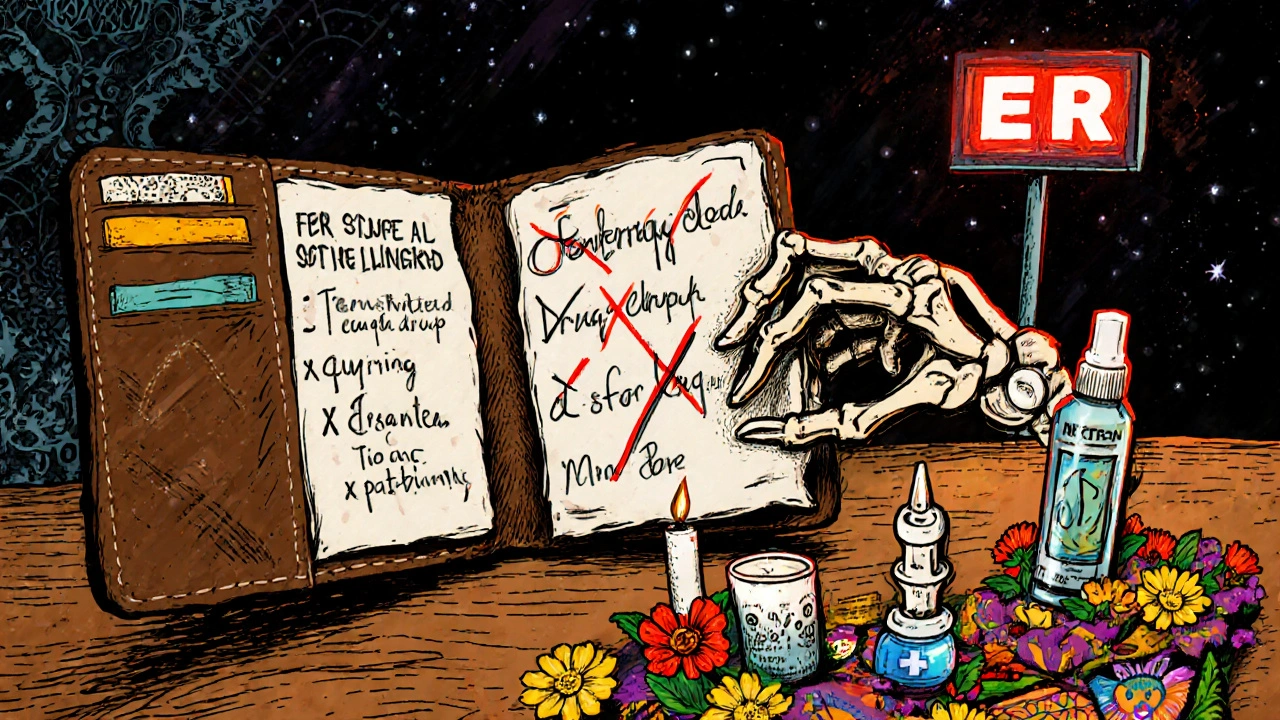
This isn’t theoretical. Between 2018 and 2022, the FDA recorded 127 cases of hypertensive crisis linked to MAOIs and OTC cold meds. Eighteen of those patients were hospitalized. On Reddit, one user wrote about waking up in the ER after taking Sudafed with Parnate. Their blood pressure was 220/110. Another person described 12 hours of severe headache, neck stiffness, and palpitations after taking DayQuil with Nardil. They didn’t need hospitalization, but they were terrified.On the flip side, patients who take precautions report better outcomes. One person on PatientsLikeMe used a wallet card from their psychiatrist listing every forbidden medication. They’ve avoided dangerous interactions for five years. That card wasn’t just helpful-it saved their life.
What You Should Do Right Now
If you’re on an MAOI, here’s what to do today:- Check every cold medicine in your cabinet. Look at the active ingredients. Toss anything with pseudoephedrine, phenylephrine, or dextromethorphan.
- Ask your pharmacist. Don’t rely on store clerks. Pharmacists are trained to spot these interactions. Show them your MAOI prescription and ask, “Which cold meds are safe?”
- Get a printed list. Ask your doctor or psychiatrist for a handout of safe and unsafe OTC medications. Keep it in your wallet or phone.
- Never guess. If you’re unsure about a product, don’t take it. Call your doctor or go to urgent care. A 10-minute call could prevent a trip to the ER.
Switching Medications? Wait 14 Days
If you’re thinking about switching from an MAOI to another antidepressant-like an SSRI or SNRI-don’t rush. The American Psychiatric Association recommends a minimum 14-day washout period. Why? Because MAOIs bind irreversibly to enzymes. Even after you stop taking them, the enzyme doesn’t recover right away. If you start a new antidepressant too soon, you risk serotonin syndrome. This rule applies even if you’re switching to a different MAOI.What About Newer Antidepressants?
Most people with depression now take SSRIs or SNRIs. These drugs also carry a risk of serotonin syndrome with dextromethorphan, but they don’t cause hypertensive crises with decongestants. That’s why they’re more commonly prescribed. But for people who’ve tried everything else, MAOIs still work. Studies show up to 50% of treatment-resistant depression patients respond to MAOIs, compared to 30-40% with SSRIs. That’s why they’re still used-even if they make up less than 1% of all antidepressant prescriptions.Looking Ahead
Researchers are working on new drugs that might reduce these risks. One compound, CX-1010, is a reversible MAO-A inhibitor currently in Phase II trials. Early results suggest it could offer the benefits of MAOIs without the same dangerous interactions. But it’s still years away from being available. Until then, the safest option is awareness and caution.If you’re on an MAOI, you’re not alone. About 350,000 Americans still take them. You don’t have to give up your treatment-you just need to be smarter about what you put in your body. A cold medicine might seem harmless. But for you, it could be deadly. Know the risks. Read the label. Ask questions. Your life depends on it.
Tom Shepherd
November 28, 2025 AT 13:17Just took a look at my medicine cabinet after reading this and nearly threw up. Had a whole bottle of DayQuil sitting there. I thought it was just a cold remedy, not a potential death sentence. Thanks for the wake-up call.
Gayle Jenkins
November 30, 2025 AT 02:50This is the kind of post that should be mandatory reading for anyone on MAOIs. I work in pharmacy and I still see people grab OTC meds without checking. We need better labeling, better education, and pharmacists who actually take the time to explain this. Not just a quick scan at the register.
Kaleigh Scroger
December 1, 2025 AT 08:51So many people don’t realize how dangerous these interactions are because the warnings are buried in tiny print or not even on the box. I had a patient on Parnate who took Robitussin DM because it said "natural ingredients" on the front. She ended up in the ER with serotonin syndrome. It took three days to stabilize her. The label didn’t say "dextromethorphan" in big letters-it was buried under "cough suppressant". That’s not an accident, that’s negligence. Pharma companies know this. They profit from people not reading the fine print.
Gaurav Sharma
December 1, 2025 AT 09:22It is imperative to note that the pharmacokinetic implications of monoamine oxidase inhibition are not trivial. The irreversible binding of MAOIs necessitates a rigorous understanding of drug metabolism pathways. One must not underestimate the systemic consequences of concomitant administration of sympathomimetic agents.
Shubham Semwal
December 1, 2025 AT 18:29Bro you’re telling me you need a PhD to buy NyQuil now? This is why people stop taking meds. Too much fear, too little common sense. Just don’t take the stuff if you’re scared. Easy.
Leo Adi
December 2, 2025 AT 04:18In India, most people don’t even know what an MAOI is. I showed my cousin’s mom the list of dangerous OTC meds and she just laughed. "Why would you take medicine for depression?" she said. Then she gave me her cold syrup-full of pseudoephedrine. I had to throw it out. No one talks about this. Not even doctors.
Melania Rubio Moreno
December 3, 2025 AT 07:01So dextromethorphan is bad but cough drops are fine? But what if the cough drop has menthol? Is menthol serotonergic? Someone please explain. I’m confused now.
Sam HardcastleJIV
December 4, 2025 AT 05:46The epistemological framework surrounding pharmaceutical safety is deeply flawed when public health messaging relies on individual vigilance rather than systemic regulation. The burden placed upon patients to navigate a labyrinth of chemical nomenclature is not merely inconvenient-it is ethically indefensible.
Mira Adam
December 5, 2025 AT 13:16It’s ironic that we treat depression as a chemical imbalance but then punish people for correcting it with medicine, only to then say "oh but don’t touch anything else that might balance it." We’re terrified of equilibrium.
Miriam Lohrum
December 6, 2025 AT 23:24There’s a quiet dignity in surviving when the world tells you your mind is broken and then gives you a list of things you can’t touch. This post isn’t just about drugs-it’s about being told you’re too dangerous to be ordinary.
archana das
December 7, 2025 AT 15:10My brother is on Nardil. He reads every label. He carries his list. He says it’s like being a ninja with medicine. No one knows. But he’s alive. That’s the win.
Emma Dovener
December 7, 2025 AT 20:48My psychiatrist gave me a laminated card with safe/unsafe meds. I keep it in my wallet next to my insurance card. I’ve used it at CVS, Walgreens, and even a gas station pharmacy. No one ever argues with a laminated card.
Alex Hess
December 8, 2025 AT 13:50Wow. Another fear-mongering medical post. You’re telling me people can’t have a cold without risking death? This is why people don’t trust doctors. Just let them take the damn NyQuil. Most of these cases are exaggerations.