When you’re managing multiple medications - whether for diabetes, high blood pressure, depression, or chronic pain - a simple mistake can lead to serious harm. Drug interactions, duplicate prescriptions, or outdated dosages are more common than you think. That’s where telehealth medication reviews come in. These virtual appointments with a pharmacist or clinician help catch errors before they hurt you. But unlike a regular doctor’s visit, you can’t just show up and hope for the best. You need to be ready. And you need to ask the right questions.
Why Telehealth Medication Reviews Matter
More than 78% of U.S. healthcare systems now offer telehealth medication reviews, according to the American Society of Health-System Pharmacists. Why? Because they work. A 2020 study found elderly patients who got these virtual reviews had 34.7% fewer dangerous drug reactions. That’s not a small number - it’s life-changing. These reviews aren’t just about checking pills. They’re about making sure every medication you take still makes sense. Maybe you stopped taking a drug months ago but your list still includes it. Maybe your new blood pressure pill clashes with your old heart medication. Or maybe you’re taking five supplements that do nothing but cost you money - and possibly cause side effects. The biggest advantage? Access. People in rural areas, those without reliable transportation, or seniors who struggle to leave home can now get expert care without a long drive or waiting room wait. But here’s the catch: if you don’t prepare, you’ll miss the point.What to Do Before Your Appointment
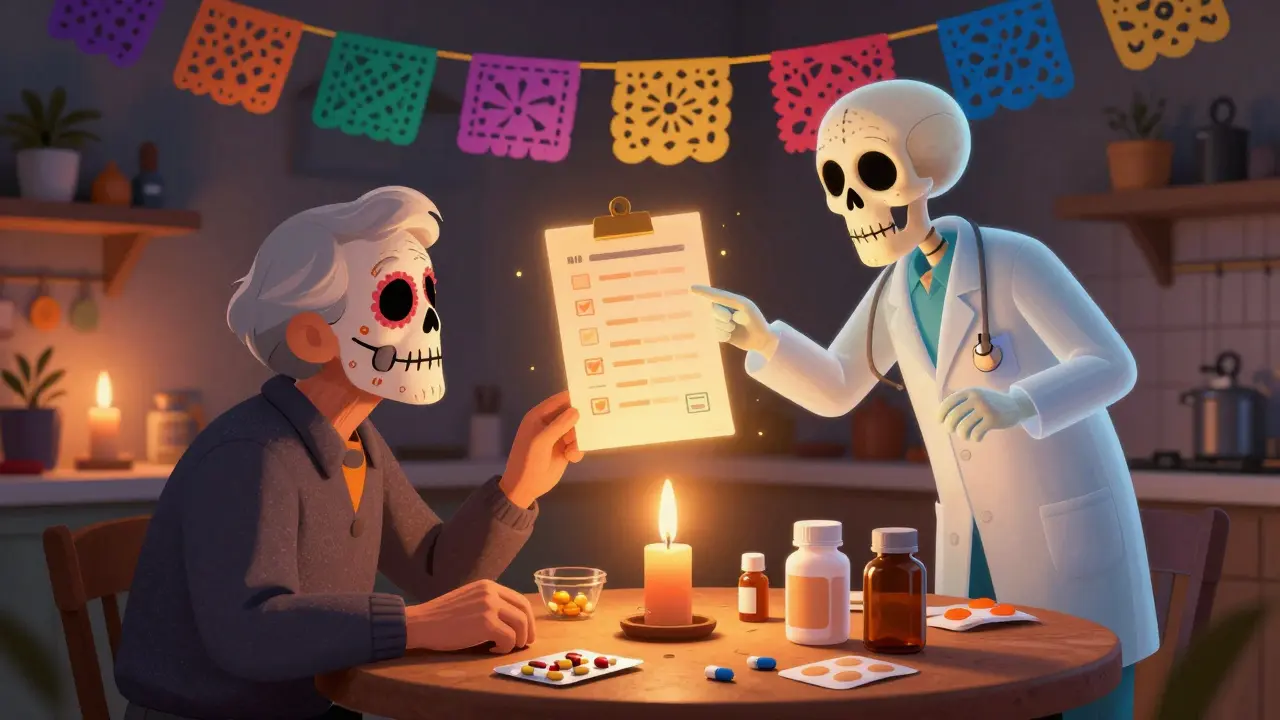
You wouldn’t walk into a car repair shop without knowing what’s wrong with your engine. Don’t walk into a telehealth medication review without knowing what’s in your medicine cabinet. Step 1: Gather every medication you take. This includes:- Prescription drugs (even ones you haven’t taken in months)
- Over-the-counter pills (like ibuprofen, antacids, or sleep aids)
- Vitamins, herbs, and supplements (yes, even the ones labeled “natural”)
- Topical creams or patches (like nicotine or pain relief patches)
What to Ask During the Review
This isn’t a chat. It’s a safety check. You’re not just listening - you’re verifying. Here are the five most important questions to ask:- “How will you verify my medication list against my pharmacy records?” Forty-three percent of medication errors come from wrong or incomplete lists. The pharmacist needs to cross-check what you say with what your pharmacy has on file. If they don’t mention this, ask again.
- “Are any of my medications no longer needed?” Many people keep taking pills long after they’re useful - especially after a hospital stay or surgery. Ask if any can be safely stopped.
- “Do any of these interact with each other or with foods I eat?” Grapefruit can mess with blood pressure meds. Calcium supplements can block thyroid drugs. These aren’t obvious. The pharmacist is trained to spot these.
- “How will you send your recommendations to my doctor?” Only 62.8% of telehealth services have a clear system for this. If your pharmacist doesn’t explain how they’ll update your primary care provider, you’ll be stuck fixing it yourself.
- “How will you monitor for side effects between visits?” Virtual reviews can’t see your skin rash or check your balance. Ask what signs to watch for and when to call. Some programs use text check-ins or wearable monitors - find out if yours does.
When Telehealth Medication Reviews Fall Short
They’re not perfect. A 2021 study found that for patients with multiple chronic conditions - especially those needing physical exams - telehealth reviews were 17.3% more likely to miss something. If you have trouble walking, unexplained falls, confusion, or severe depression, you might need an in-person visit too. Also, some medications still require face-to-face checks. As of January 2025, the DEA says you must see a doctor in person before getting a new prescription for strong painkillers like oxycodone (Schedule II). After that, follow-ups can be virtual - but only every three months. If your pharmacist says, “We can’t help with that,” don’t accept it. Ask for a referral to someone who can. Many clinics now have hybrid models - virtual review first, then in-person if needed.What Happens After the Review
You’ll get a summary - usually by email or through your patient portal. Read it. If it says “medication list updated,” check that your list actually matches what’s written. If there’s a change, confirm with your doctor before stopping or starting anything. Follow-up is key. Ask when you’ll hear back. Some services schedule a check-in in 2-4 weeks. Others don’t. Don’t assume someone’s watching. If you feel worse, or get a new symptom, call your pharmacist or doctor immediately.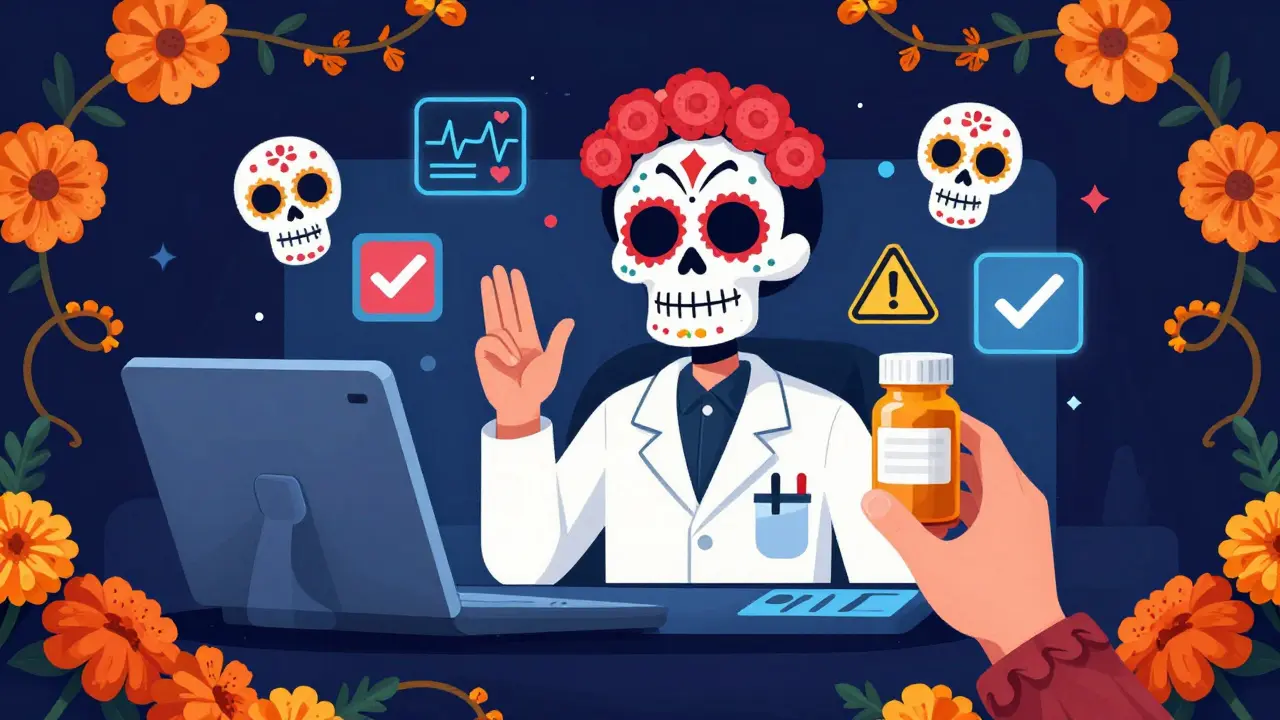
Real Talk: What Patients Are Saying
On Reddit, one user wrote: “My telehealth review caught three dangerous interactions my local pharmacy missed.” That’s the win. But another said: “The video kept freezing when I tried to show my pill organizer.” That’s the problem. Most reviews get 4.1 out of 5 stars. The top complaints? Tech issues, rushed appointments, and no clear follow-up plan. The fix? You. Be prepared. Ask questions. Follow up.What’s Next for Telehealth Medication Reviews
The market is growing fast - it’s expected to hit $9.24 billion by 2028. New tools are coming: wearable devices that track your heart rate or blood pressure, apps that remind you to take pills, and AI systems that flag risky combinations before your appointment. But technology doesn’t replace human care. It just makes it more accessible. The best telehealth reviews still rely on a skilled pharmacist who listens, questions, and follows up. If you’re on more than three medications - especially if you’re over 65 - this isn’t optional. It’s safety.Do I need to be tech-savvy to do a telehealth medication review?
No. You just need a device with a camera, internet, and a quiet space. Many pharmacies and clinics offer free tech help before your appointment. If you’re unsure, ask for a phone-only option - some providers still offer that. But video is better because it lets the pharmacist see your pills and how you take them.
Can I do a medication review if I’m on controlled substances like opioids or Adderall?
Yes - but with limits. As of January 2025, you must have had at least one in-person visit with your doctor before getting a new prescription for strong painkillers (Schedule II). After that, follow-ups can be virtual, but only every three months. For medications like Adderall (Schedule II) or Xanax (Schedule IV), telehealth is allowed, but your provider must follow strict federal and state rules. Always confirm what’s allowed in your state.
How often should I get a telehealth medication review?
At least once a year. If you’re on five or more medications, have had a recent hospital stay, or changed your meds in the last six months, aim for every 6 months. Medicare and many private insurers cover annual reviews. Some pharmacies offer them for free if you fill prescriptions there.
What if the pharmacist says I don’t need a certain medication - can I just stop taking it?
No. Never stop a medication without talking to your doctor first. Even if the pharmacist says it’s no longer needed, your doctor may have reasons for keeping it - like preventing a future flare-up. The pharmacist’s job is to recommend changes. Your doctor’s job is to approve them. Always get written confirmation before making any changes.
Will my insurance cover a telehealth medication review?
Most do. Medicare covers them under its Medication Therapy Management (MTM) program if you have multiple chronic conditions and take several high-cost drugs. Many private insurers cover them too, especially if you’re on five or more prescriptions. Check your plan or call your insurer. The standard billing code is G2225 for a full review - ask your provider if they use it.
Connie Zehner
December 19, 2025 AT 04:00Kelly Mulder
December 20, 2025 AT 10:02Tim Goodfellow
December 22, 2025 AT 10:02mark shortus
December 24, 2025 AT 09:27Takeysha Turnquest
December 26, 2025 AT 07:52Jedidiah Massey
December 26, 2025 AT 16:16Sarah McQuillan
December 27, 2025 AT 17:10Aboobakar Muhammedali
December 28, 2025 AT 16:31Laura Hamill
December 30, 2025 AT 15:44Alana Koerts
December 31, 2025 AT 08:10Dikshita Mehta
December 31, 2025 AT 13:34pascal pantel
January 1, 2026 AT 01:06Gloria Parraz
January 2, 2026 AT 15:59Chris Clark
January 4, 2026 AT 09:53Dominic Suyo
January 5, 2026 AT 19:35