Key Takeaways
- Salbutamol is a short‑acting beta2‑agonist that can trigger anxiety‑like symptoms in sensitive individuals.
- Common nervous‑system side effects include tremor, rapid heart rate and feeling jittery.
- People with a history of panic attacks, high caffeine intake or concurrent stimulant use are at higher risk.
- Most anxiety symptoms are mild and subside once the dose wears off, but persistent or severe reactions require medical review.
- Managing dosage, timing, and using a spacer can reduce unwanted nervous effects.
When you pick up an Salbutamol is a short‑acting beta2‑adrenergic agonist used to relieve bronchospasm in asthma and COPD, you probably expect quick relief from wheezing. What many people don’t anticipate is that the drug can also stir up feelings that mimic anxiety. In this guide we’ll unpack why that happens, which side effects to watch for, and how to keep the benefit without the nervous‑system drama.
How Salbutamol Works in the Body
Salbutamol belongs to the Beta2‑agonist class. It binds to beta2 receptors on smooth muscle cells lining the airways, causing those muscles to relax. The result is wider air passages and easier breathing. Because the drug acts fast-usually within minutes-it’s the go‑to rescue inhaler for an asthma flare‑up.
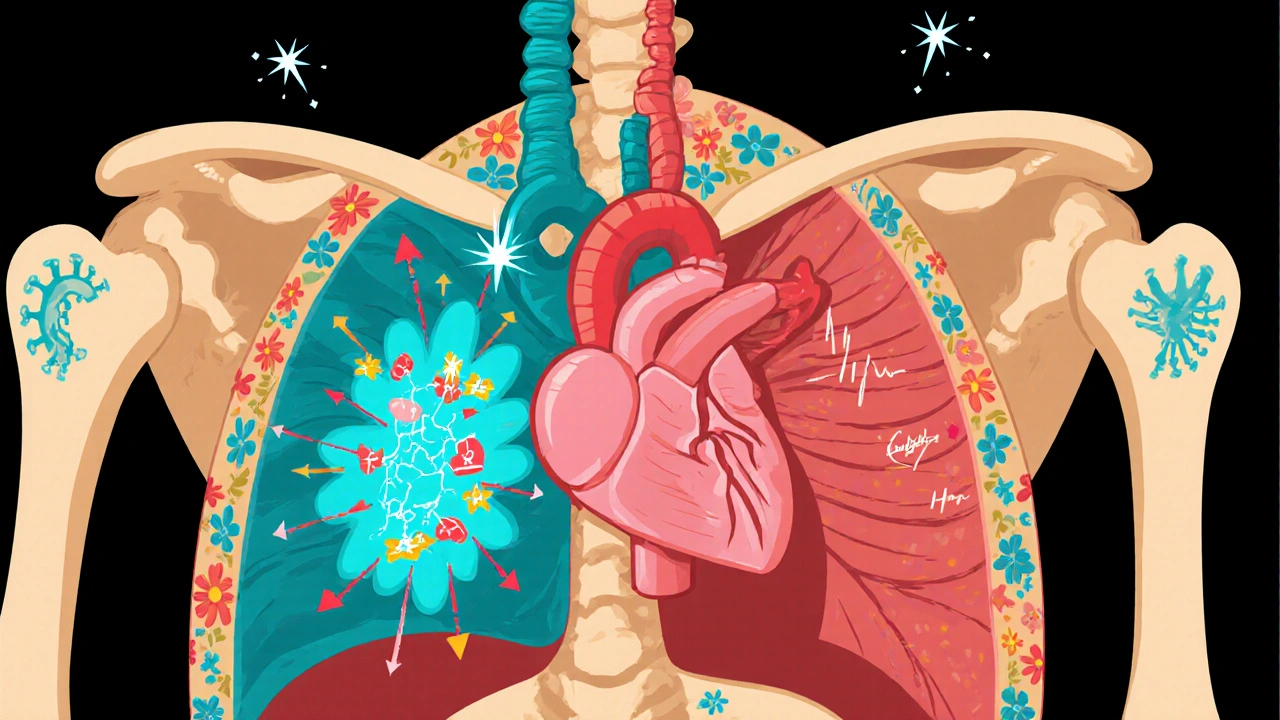
At the same time, beta2 receptors are sprinkled throughout the cardiovascular system and even in skeletal muscle. When salbutamol stimulates those receptors, you get a cascade of effects: a slight rise in heart rate, tremor in the hands, and a mild surge of adrenaline‑like hormones. Those physiological changes are the same ones that the brain interprets as “anxious” or “on edge.”
Why Anxiety Symptoms Appear
The link between salbutamol and anxiety isn’t a myth; it’s a well‑documented pharmacological side effect. A 2022 systematic review of inhaled bronchodilators found that up to 12 % of users reported “nervousness” or “feeling jittery” after a dose (Journal of Respiratory Medicine). The mechanism is straightforward:
- Beta2 activation → increased cyclic AMP in heart and muscle cells.
- Elevated cyclic AMP → heightened sympathetic nervous system activity.
- Sympathetic boost → symptoms like rapid heartbeat, shaking, and a sense of impending danger.
For most people these effects are fleeting, disappearing as the drug’s half‑life (about 4‑6 hours) wanes. But if you’re prone to panic attacks, already dealing with chronic stress, or using other stimulants (caffeine, certain decongestants), the same dose can feel much more intense.
Typical Anxiety‑Related Side Effects
Below are the nervous‑system symptoms most frequently linked to salbutamol use. The intensity can range from “noticeable” to “uncomfortable.”
- Tremor - often seen in the hands or lips within 15‑30 minutes.
- Palpitations - a racing or pounding heart, sometimes mistaken for a heart problem.
- Restlessness - an urge to move, pacing, or difficulty sitting still.
- Feeling of dread or nervousness - a vague sense of being on edge, sometimes escalating to full‑blown panic.
- Headache - can accompany the above symptoms, especially if you’re dehydrated.
If any of these signs persist beyond two hours, or if they worsen with each inhalation, it’s a cue to talk to your clinician.
Who Is Most Likely to Experience Anxiety Side Effects?
Not everyone gets jittery after an inhaler, but certain groups have a higher chance:
- Previous anxiety or panic‑disorder diagnosis - the nervous system is already hypersensitive.
- High caffeine consumers - caffeine and salbutamol both stimulate beta receptors.
- Younger adults - metabolism is faster, leading to quicker peak plasma levels.
- Patients on other stimulants - such as pseudoephedrine, certain ADHD meds, or illicit stimulants.
- Improper inhaler technique - delivering a larger than intended dose can amplify side effects.
Managing the Anxiety‑Like Effects
Here are practical steps you can take to keep the breathing relief while dialing down the nervous feelings.
- Use a spacer device. Adding a spacer to a metered‑dose inhaler reduces the speed of drug delivery, lowering the peak concentration that reaches the bloodstream.
- Mind the dose. Follow your doctor’s prescription exactly. If you’re using a rescue inhaler more than twice a week, you may need a controller medication instead.
- Time your intake. Avoid using salbutamol right after heavy caffeine intake or intense exercise, which already raises heart rate.
- Stay hydrated. Dehydration can magnify tremor and headache.
- Practice calm‑down techniques. Deep breathing, progressive muscle relaxation, or a quick mindfulness exercise can counteract the sympathetic surge.
- Talk to your prescriber. If anxiety symptoms are frequent, a lower‑dose inhaler or an alternative bronchodilator (e.g., Formoterol) might be a better fit.
When to Seek Medical Help
Most jittery feelings are benign, but certain red flags demand urgent attention:
- Chest pain or heavy shortness of breath that doesn’t improve with the inhaler.
- Palpitations accompanied by dizziness, fainting, or faint feeling.
- Severe trembling that interferes with daily tasks.
- Persistent anxiety that lasts longer than the expected drug clearance time (over 8 hours).
In those cases, call your GP, go to an urgent care centre, or, if symptoms are acute, dial emergency services.
Comparison of Common Bronchodilators and Their Anxiety‑Related Side Effects
| Drug | Class | Typical Dose | Reported Anxiety‑Like Effects | Notes |
|---|---|---|---|---|
| Salbutamol | Short‑acting beta2‑agonist | 100‑200 µg per puff | Tremor, rapid heart rate, nervousness | Most widely used rescue inhaler; effects peak in 15‑30 min. |
| Albuterol | Short‑acting beta2‑agonist (US name) | 90‑180 µg per puff | Similar to salbutamol, slightly less tremor | Identical pharmacology; brand differences only. |
| Formoterol | Long‑acting beta2‑agonist | 12‑24 µg per inhalation | Occasional palpitations, less acute anxiety | Used for maintenance; not for immediate relief. |
| Ipratropium | Anticholinergic bronchodilator | 17‑34 µg per puff | Rare nervous‑system effects | Often combined with salbutamol for COPD. |
Bottom Line
Salbutamol saves lives by opening airways fast, but its beta‑stimulating action can also tip the nervous system into an “on‑edge” state. Most users notice only a mild tremor or a quick‑beat heart, and those feelings fade as the drug clears. If you have a history of anxiety, consume a lot of caffeine, or notice that the symptoms linger, talk to your doctor about dose adjustments, spacer use, or alternative therapies. With a few practical tweaks, you can keep breathing easy without the unwanted jitter.
Frequently Asked Questions
Can salbutamol cause panic attacks?
It can trigger symptoms that feel like a panic attack-rapid heartbeat, trembling, and a sense of dread. In people already prone to panic, the inhaler may push them over the edge. If you experience full‑blown panic attacks after using salbutamol, seek medical advice; an alternative medication may be safer.
Why does my heart race after using my rescue inhaler?
Salbutamol stimulates beta2 receptors in the heart as well as the lungs. This raises heart rate (a normal side effect). The increase is usually modest-around 10‑15 beats per minute-but can feel alarming if you’re already anxious.
Is it safe to use salbutamol together with caffeine?
Caffeine also stimulates the sympathetic nervous system, so combining high caffeine intake with salbutamol can amplify jittery feelings. Moderation is key-limit coffee or energy drinks around the time you use your inhaler.
Should I stop using my inhaler if I feel anxious?
No. The inhaler treats a life‑threatening airway constriction. If anxiety symptoms are mild, try the calming techniques listed above. If they are severe or persist, contact your healthcare provider for dosage adjustment or a different medication.
Are there bronchodilators that don’t cause anxiety?
Anticholinergic bronchodilators like Ipratropium have a much lower risk of nervous‑system side effects. However, they are less potent for quick relief and are usually combined with a beta‑agonist for optimal effect.
Marilyn Pientka
October 24, 2025 AT 14:45The pharmacodynamic profile of salbutamol mandates a rigorous ethical appraisal; prescribing it without addressing its sympathomimetic sequelae borders on clinical negligence. Its beta‑2 adrenergic agonism precipitates iatrogenic anxiety in a subset of patients, a fact that should be foregrounded in any therapeutic algorithm. Moreover, the conflation of bronchial relief with benign side‑effect tolerance betrays a devaluation of patient autonomy. Clinicians ought to integrate spacer devices and caffeine moderation into the standard of care, lest they inadvertently amplify neuropsychiatric distress. In sum, the onus is on the prescriber to mitigate jittery outcomes through evidence‑based stewardship.
Jordan Levine
October 24, 2025 AT 17:31Whoa, just tried my rescue inhaler and felt like I was on a roller‑coaster of nerves! 😱 The heart was pounding like a drum solo at a rock concert and my hands were shaking like a leaf in a hurricane. If you ever want a dramatic surge of adrenaline without leaving the house, salbutamol delivers the party 🎉.
Michelle Capes
October 24, 2025 AT 20:18i totally get how unsettling that jittery feeling can be, especially when you just need some relief 🙁. i think staying hydrated and maybe sipping a low‑caff tea right after can really calm the tremors. also, a quick deep‑breath exercise can reset the nervous system a bit. hope this helps!! 😊
Dahmir Dennis
October 24, 2025 AT 23:05It is profoundly amusing that a medication engineered to rescue the lungs can simultaneously masquerade as a clandestine dealer of anxiety, a paradox that only the most astute pharmaco‑physiologists can appreciate. The beta‑2 agonist cascade, while undeniably efficacious in bronchodilation, indiscriminately activates adrenergic receptors in skeletal muscle and cardiac tissue, thereby orchestrating a symphony of tachycardia, tremor, and perceived panic. One might argue that this unintended side effect is a testament to the elegance of human physiology, wherein every therapeutic intervention carries an inherent cost. Yet, the clinical reality is that patients with pre‑existing hyper‑vigilance or caffeine‑induced catecholamine surges experience an amplified version of this cascade, often describing it as “on edge” or outright “panic.” The literature corroborates this phenomenon, citing a prevalence of up to twelve percent for nervousness among inhaler users, a figure that should alarm any conscientious prescriber. Moreover, the temporal dynamics of salbutamol’s half‑life, spanning four to six hours, align perfectly with the window in which anxiety symptoms can become most intrusive. While most episodes are fleeting, the psychosomatic impact on quality of life cannot be dismissed as merely anecdotal. Indeed, the subjective experience of heart palpitations can trigger a feedback loop, where the fear of cardiac events exacerbates sympathetic activation. This self‑reinforcing cycle underscores the importance of patient education regarding the benign nature of these sensations in most cases, while also emphasizing red‑flag criteria for medical evaluation. Furthermore, the interaction with other stimulants, such as caffeine or pseudo‑ephedrine, compounds the adrenergic load, rendering the airway relief a double‑edged sword. Clinical guidelines thus advocate for spacer devices, dosing vigilance, and timing considerations to attenuate peak plasma concentrations. The moral imperative, therefore, is to balance the indispensable bronchodilatory benefits against the potential for neuropsychiatric distress. In practical terms, a multidisciplinary approach-enlisting respiratory therapists, pharmacists, and mental health professionals-can tailor inhaler regimens to individual susceptibility profiles. Ultimately, the onus lies on both prescriber and patient to navigate this delicate equilibrium, ensuring that the breath of life is not accompanied by a storm of anxiety.
Ekeh Lynda
October 25, 2025 AT 01:51the preceding exposition illustrates a classic case of iatrogenic dysphoria induced by an overzealous beta‑agonist cascade the pharmacokinetic profile inevitably intersects with the sympathetic highway generating tremors and tachycardia which masquerade as panic the solution lies not in abandoning salbutamol but in modulating delivery methods such as spacers and dose timing to blunt the adrenergic surge thereby preserving airway patency while minimizing neuropsychiatric fallout
Mary Mundane
October 25, 2025 AT 04:38Using a spacer is a simple fix that most patients overlook.
HILDA GONZALEZ SARAVIA
October 25, 2025 AT 07:25For anyone navigating the jittery side effects of salbutamol, a practical first step is to assess your caffeine intake and try to cut back on coffee or energy drinks on days you anticipate using your rescue inhaler. Next, consider adding a spacer to your inhaler; this not only improves drug deposition in the lungs but also dampens the rapid systemic absorption that fuels anxiety‑like symptoms. Hydration is another underrated ally-water helps dilute plasma concentrations and can lessen tremor intensity. If you find that symptoms persist despite these measures, schedule a follow‑up with your pulmonologist to discuss alternative bronchodilators such as a long‑acting agent or an anticholinergic like ipratropium. Finally, integrating brief mindfulness or paced breathing techniques right after inhalation can counteract the sympathetic surge and restore a sense of calm.
Amanda Vallery
October 25, 2025 AT 10:11That’s solid advice but i’d add that checking the inhaler technique is key – many folks over‑puff and get extra dose.
Carla Taylor
October 25, 2025 AT 12:58Hey folks staying positive can really make a difference keep calm breathe deep and remember the inhaler is there to help you breathe easy
Kathryn Rude
October 25, 2025 AT 15:45One must contemplate the ontological juxtaposition of respiratory relief and existential dread whilst inhaling a pharmacologic agent – a dialectic worthy of contemplation 😏.
Lindy Hadebe
October 25, 2025 AT 18:31The article does a decent job summarizing side effects but it glosses over the variability in patient response. Not every user will experience anxiety, and the risk factors could be quantified more rigorously. A deeper dive into comparative statistics with other bronchodilators would strengthen the argument. Overall, a solid overview but room for analytical depth.
Jacqueline Galvan
October 25, 2025 AT 21:18Thank you for highlighting those gaps. Recent meta‑analyses indicate that salbutamol‑induced nervousness occurs in approximately 8‑12 % of patients, whereas agents such as ipratropium demonstrate less than 2 % incidence. Incorporating these figures into the discussion can provide a clearer risk profile. Additionally, stratifying data by age and stimulant use further refines clinical decision‑making. I hope this supplemental information proves useful for future revisions.