Imagine you walk into the kitchen and find an open bottle of prescription pills on the floor, or you realize a child has swallowed something they shouldn't have. In those first few seconds, your brain freezes. Do you call 911? Do you look for a poison hotline? Making the wrong choice can either waste precious emergency resources or, more dangerously, delay life-saving care. Knowing exactly where the line is between a "home-managed incident" and a "critical emergency" is the most important piece of knowledge you can have in a crisis.
The Quick Decision Guide
When every second counts, you don't have time to read a manual. Here is the baseline rule: if the person is unconscious, struggling to breathe, or having a seizure, poison control vs 911 isn't a debate-call 911 immediately. If the person is awake, alert, and breathing normally, Poison Control is your best first move.
| Symptom/Scenario | Who to Call | Why? |
|---|---|---|
| Unconscious or non-responsive | 911 / Emergency Services | Immediate life support needed |
| Difficulty breathing or gasping | 911 / Emergency Services | High risk of respiratory arrest |
| Alert, stable, accidental ingestion | Poison Control | Expert guidance on toxicity |
| Intentional overdose (Suicide attempt) | 911 / Emergency Services | High risk of rapid decline |
| Infants (<1 yr) or Seniors (>79 yrs) | 911 / Emergency Services | Higher mortality and vulnerability |
When 911 is the Only Option
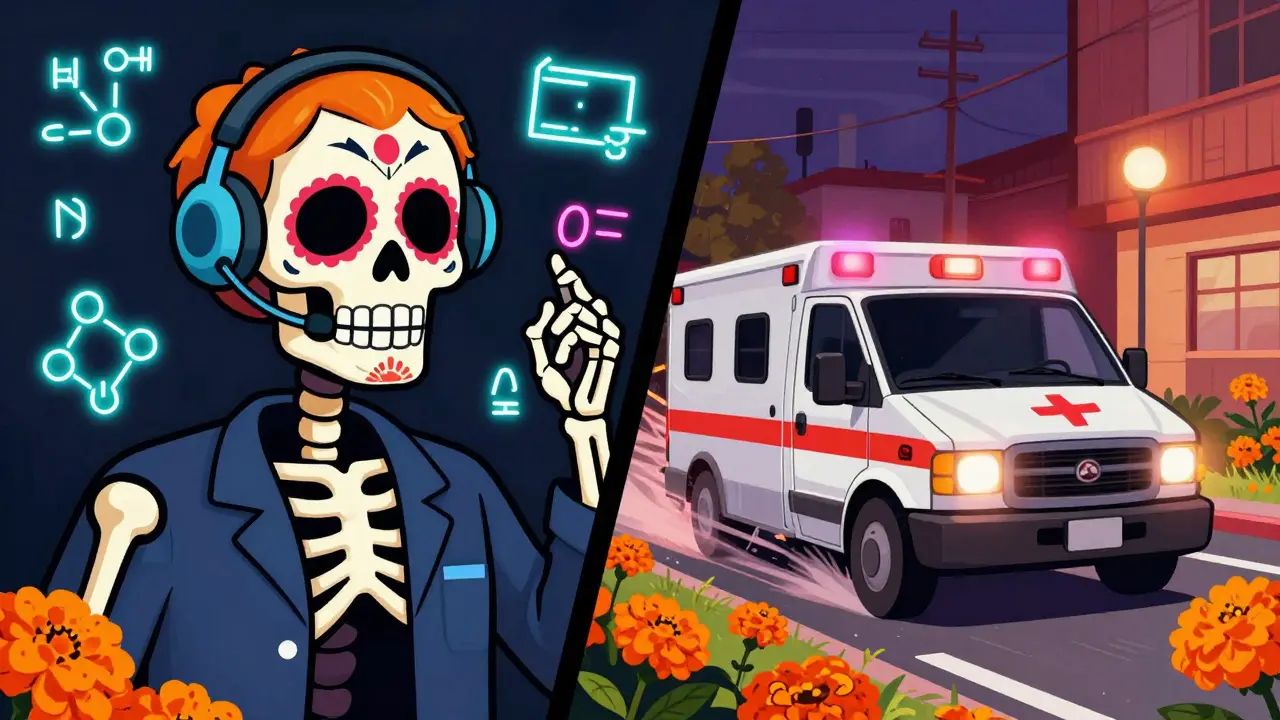
Emergency Medical Services (EMS) are designed for instability. You need a paramedic on the scene when the body's basic functions are failing. According to medical guidelines from the Mayo Clinic, you should bypass all other options and call 911 if you see "red flag" symptoms.
The most critical red flag is respiratory distress. If someone is barely breathing or has stopped breathing entirely, they are in immediate danger of brain damage. Similarly, if a person is completely unresponsive-meaning they don't wake up or react even if you pinch them or shout in their ear-this is a medical emergency. This often corresponds to a very low Glasgow Coma Scale score, which is how doctors measure consciousness.
Other non-negotiable 911 scenarios include:
- Active Seizures: Any seizure lasting longer than five minutes requires immediate intervention.
- Cardiovascular Collapse: If the person has a very weak pulse or their blood pressure drops significantly (systolic below 90 mmHg), they need an ER.
- Intentional Harm: If someone took pills to hurt themselves, call 911. Even if they seem "fine" right now, many substances cause a delayed crash. Data from SAMHSA shows that a huge portion of intentional overdoses lead to respiratory failure within just 15 minutes.
- High-Risk Substances: Certain drugs, like calcium channel blockers or beta-blockers used for heart issues, can cause a delayed but total cardiovascular collapse. These are too dangerous to "wait and see."
How Poison Control Works and When to Use It
If the person is stable, Poison Control is a free, confidential 24/7 service that provides expert toxicological guidance to prevent unnecessary ER visits. In the U.S., you can reach them via the Poison Help hotline at 1-800-222-1222.
Think of Poison Control as a specialized triage center. They aren't just "operators"; they are toxicologists and nurses who know exactly how many milligrams of a specific drug are dangerous for a child of a certain weight. For example, the American College of Medical Toxicology notes that the vast majority of acute acetaminophen (Tylenol) ingestions in healthy adults can be safely managed at home if the dose is below a specific threshold (150 mg/kg). Poison Control can do that math for you in seconds, saving you an eight-hour wait in a crowded emergency room.
You should call Poison Control when:
- The exposure was a single substance.
- The person is alert and their vital signs (breathing and heart rate) are normal.
- The ingestion happened recently (usually under 2 hours ago) and no symptoms have started yet.
- You have the container in your hand and can tell them exactly what was swallowed.
The Opioid Exception: Naloxone First
Opioid overdoses (heroin, fentanyl, oxycodone) change the rules because they can be reversed instantly with Naloxone is a medication that rapidly attaches to opioid receptors and reverses respiratory depression. If you suspect an opioid overdose, the priority is: Administer Naloxone $\rightarrow$ Call 911.
Do not call Poison Control first for a suspected opioid overdose. Why? Because naloxone is a bridge to professional medical care, not a cure. Synthetic opioids like fentanyl are incredibly potent and can "outlast" the naloxone. A person might wake up, seem fine for 30 minutes, and then slip back into a coma as the naloxone wears off. This is why an ambulance is required even if the person wakes up after the spray.
Information You Must Have Ready
Whether you are talking to a 911 dispatcher or a poison specialist, the quality of the help you get depends on the data you provide. Vague descriptions like "a few pills" can lead to incorrect risk assessments. To get the fastest and most accurate advice, grab these details:
- The Exact Product: Bring the bottle or package to the phone. There is a massive difference between a standard-release tablet and an extended-release version; the latter can stay in the system much longer and peak at different times.
- The Quantity: Try to estimate how many pills are missing or how many milliliters were swallowed.
- The Time: Note the exact time of exposure. Toxicity is often time-dependent.
- The Patient's Weight: For children and infants, weight in kilograms is the primary way toxicologists calculate the dose. Home estimates are often off by more than 10%, so if you have a recent pediatrician record, use that.
- Current Symptoms: Be specific. Instead of saying "they look sick," say "they are sweating, their pupils are tiny, and they are breathing four times per minute."
Vulnerable Populations: Why Age Matters
A dose that is harmless to a 30-year-old can be fatal to a toddler or an 80-year-old. This is due to pharmacokinetics-how the body absorbs and clears drugs.
For infants under one year and seniors over 79, the safety margin is much thinner. Seniors often deal with polypharmacy (taking five or more medications), which creates unpredictable interactions. Because of this, medical protocols generally suggest bypassing Poison Control and going straight to the ER for these age groups. They simply don't have the physiological reserve to handle a "wait and see" approach.
Carbon monoxide is another special case. Because it causes delayed neurological damage, experts now advise calling 911 immediately if there is a suspected leak, even if the person only has a mild headache. The damage can happen silently long after the gas is gone.
Can I use the online Poison Control tool instead of calling?
Yes, for stable, accidental, single-substance ingestions. Online triage is highly accurate for low-risk cases, but it cannot be used if the person has symptoms, if the ingestion was intentional, or if multiple drugs were involved. In those cases, a human expert or emergency responder is required.
What if I'm not sure if it's an overdose or something else?
If the person is unstable (difficulty breathing, unconscious), always default to 911. If they are stable, call Poison Control. They can help you determine if the symptoms are caused by a toxin or a different medical issue and will tell you immediately if you need to switch to emergency services.
Does Poison Control cost money?
No. The national Poison Help hotline is a free, confidential service available 24/7 to everyone in the United States.
Should I induce vomiting before calling?
No. Never induce vomiting unless specifically told to do so by a medical professional. Some substances can cause more damage to the esophagus or lungs if they are vomited back up (aspirational pneumonia).
How long does it take to get through to Poison Control?
The median response time is very fast, often under 30 seconds. However, if you are in a rural area and the line is busy, or if the patient's condition is worsening, do not wait-call 911.
Next Steps for Safety
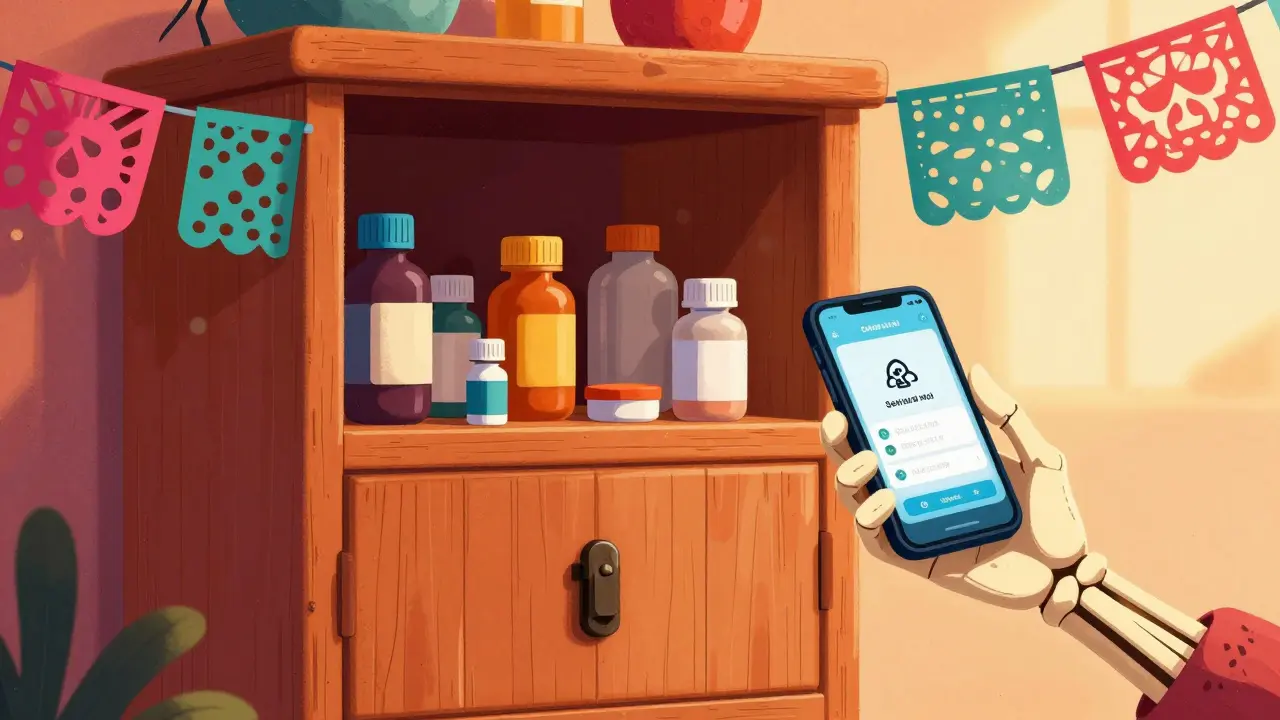
If you are in a high-risk environment, the best move is proactive preparation. Store all medications in a locked cabinet and keep the Poison Control number (1-800-222-1222) programmed into your phone and posted on your fridge. If you have family members using opioids, keep Naloxone in an accessible place and ensure everyone knows how to use it.
For those who prefer digital tools, the Poison Help app can provide basic first-aid instructions offline, but remember it is not a replacement for a live consultation in a real emergency.
Robert Cowley
May 2, 2026 AT 00:58Absolute garbage advice 🙄. Why wait for some "expert" on a phone line when you can just blast 911 and let the pros handle it from the start? The whole "triage" concept is just a way to keep people out of hospitals because they're understaffed. Total joke 🤡.
Joel Bonstell
May 3, 2026 AT 20:38Really glad you mentioned not inducng vomiting. So many people still think that's the way to go but it usually just makes things way worse, espcially with caustic stuff. Always keep that number on the fridge, its a lifesaver.
J. Walter Jenkem
May 5, 2026 AT 18:59This is a great resource for parents and caregivers. It helps simplify a very scary situation.
Jimmy Crocker
May 7, 2026 AT 07:38One simply must appreciate the nuannce of pharamcokinetics, though the author fails to laargcely elaborate on the specific cytochrome P450 enzyme pathways that actually dictate the rate of metabolism in the geriatric population, which is, in my expert opinion, a glaring omission for anyone who actually understands high-level toxicology and biochemistry.
Andrew Hanssen
May 8, 2026 AT 12:02The assertion that calling 911 for intentional harm is a non-negotiable is logically flawed. If the individual is conscious and communicating, a coordinated response with Poison Control could potentially provide more accurate pharmacological data to the paramedics before they even arrive on the scene.
Allison Maier
May 9, 2026 AT 15:13too long didnt read 🥱 just call 911 and be done with it lol
SWATI NAWANGE
May 9, 2026 AT 19:00It is quite frankly pedestrian to suggest that a simple table can encapsulate the complexities of emergency medical triage. One would expect a more rigorous academic approach to the presentation of such critical data, as the current format lacks the intellectual depth required for a professional medical discourse. Truly disappointing.
princess lovearies
May 10, 2026 AT 04:25It's really just about staying calm in the moment. We all panic when we see something wrong, but having a plan like this helps we just breathe and do the right thing for the person we love. It's a gentle reminder that we can all help each other if we just have the right info.