Imagine arriving at your destination after a long flight, exhausted but ready to relax. You settle into your hotel room or hostel bunk, only to realize you’ve left your life-saving medication sitting in the open on the nightstand. Or worse, you return from dinner to find your prescription bottles missing. This isn’t just an inconvenience; for many travelers, it’s a medical emergency waiting to happen.
Making sure your medication security is tight while traveling is just as important as locking your passport away. Whether you’re managing diabetes, ADHD, anxiety, or chronic pain, losing access to your drugs can derail your trip and put your health at risk. The stakes are high: according to CDC data, unintentional poisoning involving prescription drugs is a leading cause of death, and hotels have been identified as common locations for prescription drug diversion. But with the right strategies, you can keep your meds safe, accessible, and compliant with local laws.
Why Hotel and Hostel Rooms Are High-Risk Zones
You might think your room is a private sanctuary, but it’s actually one of the most vulnerable places for theft. Housekeeping staff, maintenance workers, and even other guests in shared accommodations have access to your space. In hostels, the risk multiplies because dormitory settings mean dozens of strangers share the same sleeping area.
A 2022 study published in the *Journal of Travel Medicine* found that hostel stays involve significantly higher rates of medication theft compared to private hotel rooms. Specifically, there were 14.3 incidents per 1,000 hostel stays involving stolen or tampered medications. In contrast, while hotel safes are more secure, they aren’t foolproof. Research shows that nearly 19% of hotel safes malfunction due to battery issues or electronic failures. If you rely solely on a broken safe, you’re leaving your health exposed.
The difference between a hotel and a hostel is stark. Hotels typically offer in-room electronic safes (available in over 90% of U.S. properties), providing a layer of technology-based security. Hostels, however, often lack individual safes in private rooms, let alone dorms. Many budget hostels still use physical master keys, which can be copied or lost, increasing the chance of unauthorized entry. Understanding these risks helps you choose the right protective measures before you even pack your bags.
The Golden Rule: Keep Meds in Original Containers
Before you worry about locks and safes, look at how you’re packing your pills. It’s tempting to transfer prescriptions into small, discreet pill organizers or ziplock bags to save space or avoid drawing attention. Don’t do it.
Keeping medications in their original pharmacy-labeled containers is non-negotiable for several reasons. First, child-resistant packaging prevents accidental ingestion by curious children who might wander into your room-a critical safety feature that generic pill boxes lack. Second, and perhaps more importantly, legal compliance depends on it. The DEA requires controlled substances to remain in original containers with clear prescription labels. Violations can lead to fines up to $15,000 per incident, especially if you’re traveling internationally where customs officials scrutinize unlabeled drugs closely.
If you need to organize doses, consider using a portable lock box rather than repackaging. These devices allow you to keep pills in their original blister packs or bottles while organizing them by day. This approach satisfies both safety and legal requirements without sacrificing convenience.
Securing Your Room: Safes vs. Lock Boxes
Once your meds are properly packaged, you need a secure place to store them. The two main options are hotel room safes and portable medication lock boxes. Each has pros and cons depending on your accommodation type and medical needs.
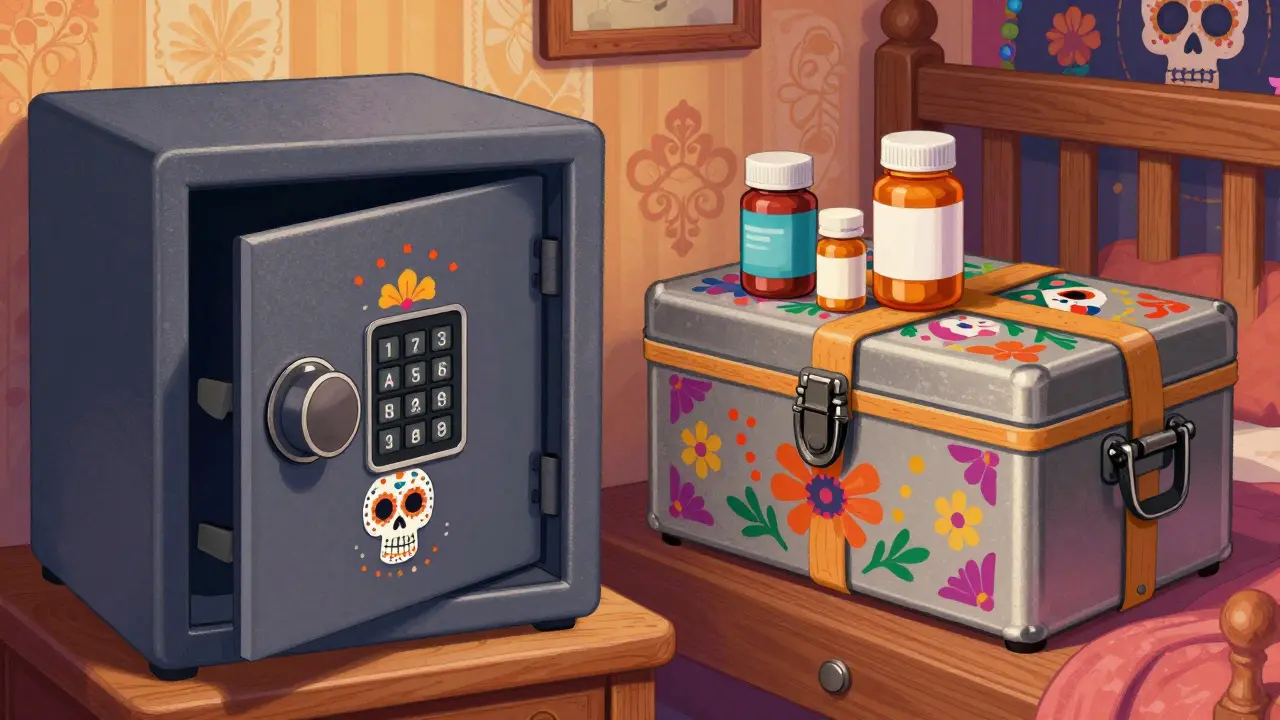
Hotel Electronic Safes are built-in storage units designed to protect valuables from theft. They are the gold standard for security in traditional hotels. According to industry benchmarks, UL 2050-certified safes take an average of 27 minutes to compromise, making them highly resistant to casual theft. However, they come with accessibility challenges. If you have a medical emergency requiring immediate medication, fumbling with a keypad in the dark takes time-averaging 47 seconds compared to 8 seconds for bedside storage. Always test the safe upon check-in. Put something valuable inside, lock it, and try to open it. If it fails, report it immediately and request a new room or use a portable alternative.
Portable Medication Lock Boxes, such as the TSA-approved Med-ico Secure Rx, offer a different kind of protection. These boxes can be bolted or strapped to fixed objects like bed frames or pipes, offering significant resistance to forced entry. They are ideal for hostels where safes are unavailable or untrustworthy. While they may not be as tamper-proof as a high-end hotel safe, they provide peace of mind in shared spaces. Look for models with biometric locks or complex combination systems to prevent guessing.
| Feature | Hotel Electronic Safe | Portable Lock Box | Bedside Drawer |
|---|---|---|---|
| Security Level | High (if functional) | Medium-High | Low |
| Accessibility Speed | Slow (~47 seconds) | Medium (~15 seconds) | Fast (~8 seconds) |
| Child Resistance | High | High | None |
| Best For | Hotels, Controlled Substances | Hostels, Shared Dorms | Emergency Meds Only |
Special Considerations for Hostels and Shared Dorms
Traveling on a budget often means staying in hostels, but this comes with unique security challenges. In a dormitory, your belongings are visible to dozens of people. Never leave medications out in the open, even for a moment. If the hostel offers a communal locker room, use a sturdy padlock for your main luggage, but keep daily medications with you or in a personal lockable pouch.
If possible, book a private room within a hostel. Private rooms are statistically safer, with theft rates significantly lower than in dorms. Some premium hostels now offer digital key management systems that reduce unauthorized access, but these are rare in budget accommodations. Always ask reception about security features before booking. If no safe is available, invest in a portable lock box that can be attached to your bed frame or a heavy piece of furniture.
Another tip: never disclose that you have expensive or controlled medications to fellow travelers. Casual conversations can make you a target. Keep your profile low and your security high.
Handling Controlled Substances and Legal Compliance
If you’re traveling with controlled substances like opioids, stimulants (e.g., Adderall), or benzodiazepines, extra caution is required. Laws vary widely by country and state. In the U.S., the DEA mandates that these drugs stay in original pharmacy containers with labels showing your name, the doctor’s name, and the dosage. Deviating from this can result in serious legal trouble, including confiscation or fines.
Internationally, regulations can be even stricter. Some countries ban certain medications entirely, regardless of prescription status. Always check the destination country’s embassy website for specific drug lists. Carry a copy of your prescription and a letter from your doctor explaining the medical necessity. Store these documents separately from your meds-in case one is stolen, you still have proof of legitimacy.
Maintain a medication log during your trip. Note the starting quantity, each dose taken, and the remaining amount. This helps you detect discrepancies quickly and provides evidence if authorities question your possession. For extended stays, perform daily inventory checks. Experts suggest that travelers who count their pills daily reduce medication discrepancies by over 90%.
Emergency Access: Balancing Security and Safety
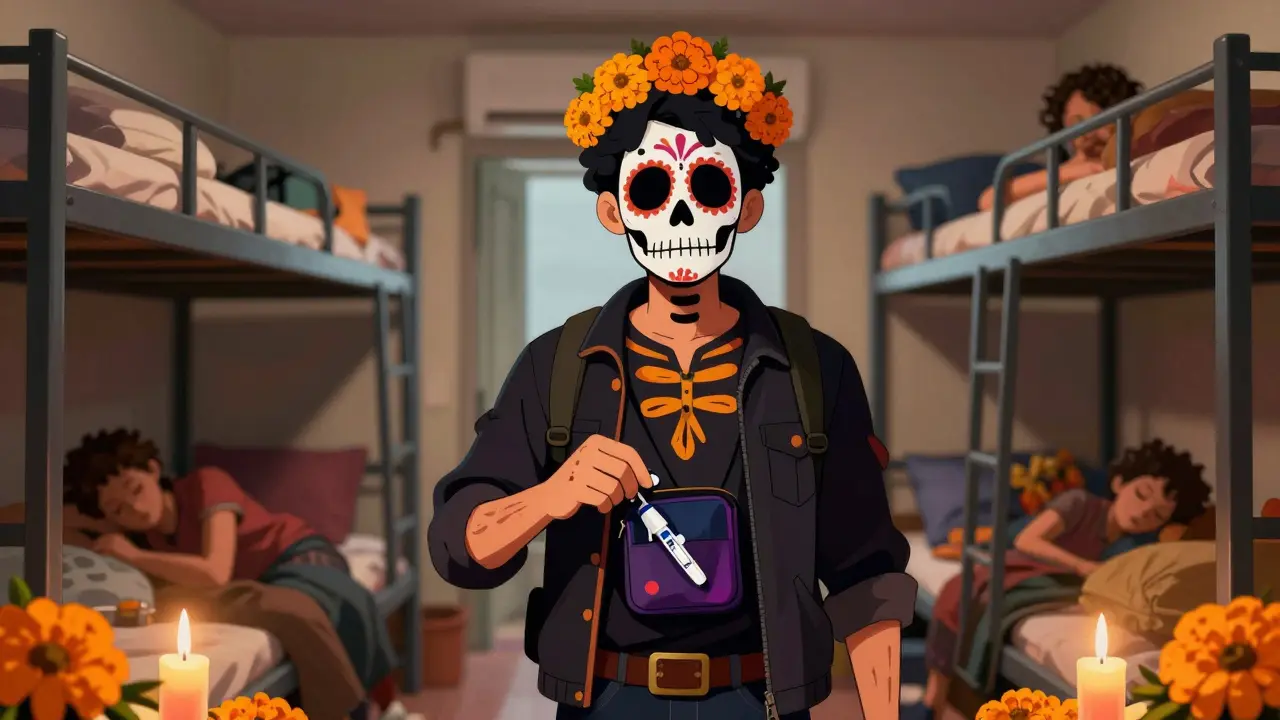
While security is paramount, accessibility matters too. In a medical emergency, every second counts. Medications needed for acute conditions-such as epinephrine auto-injectors for allergies, nitroglycerin for heart issues, or rescue inhalers for asthma-should never be locked away.
Keep these emergency meds on your person or within arm’s reach, ideally in a dedicated pouch that travels with you everywhere. This ensures immediate access if you experience an allergic reaction or breathing difficulty. For all other medications, prioritize security. The goal is to balance protection against theft with the ability to respond to health crises.
If you have a condition that requires frequent dosing, consider splitting your supply. Keep a small amount accessible for immediate use and store the bulk in a safe. This way, you’re covered for short-term needs while protecting the majority of your stock.
Practical Checklist for Travelers
To simplify the process, here’s a quick checklist to follow before and during your stay:
- Pack Smart: Keep all meds in original, labeled containers.
- Test the Safe: Upon check-in, verify the hotel safe works correctly.
- Use Layers: Combine a hotel safe with a portable lock box for added security.
- Carry Emergencies: Keep life-saving meds on your body, not in the safe.
- Document Everything: Carry copies of prescriptions and doctor’s letters.
- Inventory Daily: Count your pills each morning to detect loss early.
- Stay Discreet: Don’t discuss your medications with strangers.
By following these steps, you minimize the risk of theft, legal issues, and medical emergencies. Remember, medication security is an active process, not a one-time setup. Stay vigilant throughout your trip.
Can I bring my medication in a pill organizer instead of the original bottle?
It is strongly advised against, especially for controlled substances or international travel. Original pharmacy-labeled containers prove ownership and legality. Pill organizers lack child-resistant features and can lead to legal issues or confiscation by customs officials. Use a portable lock box if you need organization.
What should I do if the hotel safe is broken?
Report it to the front desk immediately and request a new room with a functioning safe. If that’s not possible, use a portable medication lock box that can be secured to a fixed object in the room. Do not store medications in drawers or under beds without additional security.
Is it safe to leave medication in a hostel dormitory?
Is it safe to leave medication in a hostel dormitory?
No, it is high-risk. Dormitories have many transient guests, increasing theft chances. Always use a personal lockable pouch or portable lock box attached to your bed. Never leave meds unattended. If possible, book a private room with a safe for better security.
Do I need a doctor's note for traveling with prescription meds?
While not always required domestically, it is highly recommended for international travel. A doctor’s letter explains the medical necessity, dosage, and confirms the prescription is in your name. This helps avoid misunderstandings with foreign customs or law enforcement.
Where should I keep emergency medications like EpiPens?
Keep emergency medications on your person or within immediate reach, not in a locked safe. In cases of severe allergic reactions or asthma attacks, seconds matter. Ensure your travel companion knows where these items are located in case you become incapacitated.