Have you ever walked into a pharmacy, handed over your prescription for a brand-name medication, and watched the price tag skyrocket? Then, the pharmacist asks if you’d like the generic version instead, and suddenly the bill drops by eighty percent. That moment isn’t just luck; it is the result of insurance benefit design, which is the strategic framework health plans use to structure coverage, incentives, and restrictions to control healthcare spending. Specifically, these designs are engineered to push patients toward generic drugs.
Generic drugs are not new. Since the Hatch-Waxman Act of 1984 allowed competitors to produce bioequivalent versions of patented medications, generics have become the backbone of U.S. pharmaceutical care. But how insurers pay for them-and how they nudge you to buy them-has evolved into a complex system involving Pharmacy Benefit Managers (PBMs), which are intermediaries that negotiate drug prices, manage formularies, and process claims on behalf of insurance plans. This article breaks down exactly how this system works, why it exists, and what it means for your wallet and your health in 2026.
The Core Mechanism: Tiered Formularies
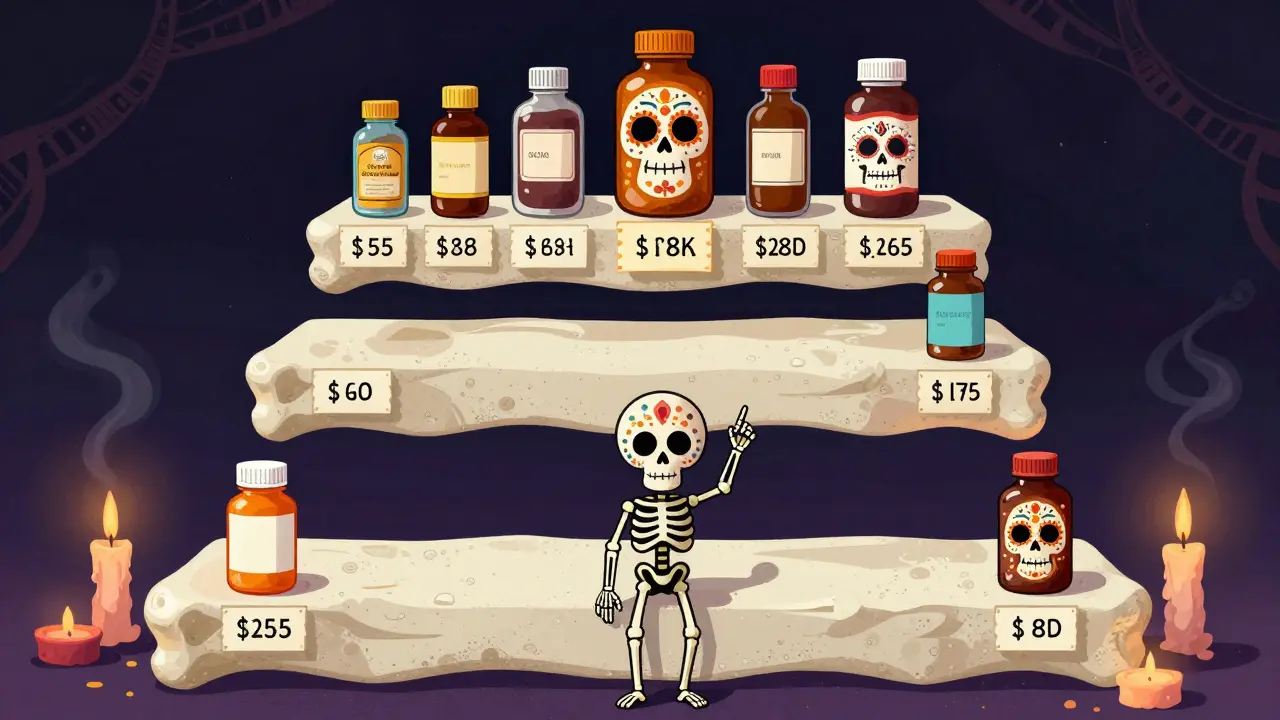
The most common tool in an insurer’s toolkit is the formulary-a list of covered drugs organized by cost. Most plans use a multi-tiered structure. Think of it as a menu where some items are cheap and others are expensive, but the plan only pays fully for the cheapest options.
- Tier 1 (Preferred Generics): These are the lowest-cost drugs. In many commercial plans, your copayment might be $0 to $10 for a 30-day supply.
- Tier 2 (Preferred Brands): Brand-name drugs that the insurer has negotiated a lower price for. Copays here often range from $25 to $50.
- Tier 3 (Non-Preferred Brands): Expensive brand-name drugs with little competition. You might pay $60 to $100 or more per month.
- Tier 4 (Specialty Drugs): High-cost medications for complex conditions, often requiring special handling. These usually involve coinsurance, where you pay a percentage of the total cost.
By placing generics in Tier 1 and brands in higher tiers, insurers create a financial incentive. If you choose the generic, you save money out-of-pocket. If you insist on the brand, you pay the difference. According to 2024 data from the Kaiser Family Foundation, this structure is nearly universal, with 98.7% of commercial health plans using tiered formularies.
| Formulary Tier | Drug Type | Patient Copay Range | Insurer Goal |
|---|---|---|---|
| Tier 1 | Preferred Generic | $0 - $10 | Maximize low-cost utilization |
| Tier 2 | Preferred Brand | $25 - $50 | Control brand spending via negotiation |
| Tier 3 | Non-Preferred Brand | $60 - $100+ | Discourage use unless medically necessary |
| Tier 4 | Specialty Drug | Coinsurance (e.g., 20-30%) | Share high-risk costs with patient |
Beyond Price Tags: Mandatory Substitution and Step Therapy
Lowering copays is just one part of the strategy. Insurers also use rules to force generic use when possible. The two most common methods are mandatory generic substitution and step therapy.
Mandatory Generic Substitution allows pharmacists to swap a prescribed brand-name drug for its generic equivalent without calling the doctor first. All 50 states have laws permitting this, though 49 states allow it automatically unless the prescriber writes "Dispense as Written." This simple switch saves billions. For example, if your doctor prescribes Lipitor, the pharmacist can fill it with atorvastatin, the generic version, which costs significantly less.
Step Therapy, also known as "fail-first" protocols, requires you to try a cheaper generic drug before the insurer will cover a more expensive brand. If the generic doesn’t work or causes side effects, your doctor must submit a request for an exception. As of 2023, 92% of Medicare Part D plans used step therapy. While this ensures patients try lower-cost options first, it can delay access to effective treatments for those who need specific brand-name formulations immediately.
The Role of PBMs and Hidden Costs
You rarely see Pharmacy Benefit Managers (PBMs) directly, but they control the flow of money behind the scenes. Major players like CVS Caremark, OptumRx, and Express Scripts process the vast majority of U.S. prescriptions. Their job is to negotiate rebates from drug manufacturers and manage formularies for insurers.
Here is the catch: while generics are supposed to be cheap, the pricing system is opaque. A study by the USC Schaeffer Center found that patients often overpay for generics due to "spread pricing." This happens when a PBM charges an insurer more than it pays the pharmacy, keeping the difference as profit. In some cases, patients paid $10-$15 more per generic prescription than the actual acquisition cost. This undermines the goal of cost savings, funneling money to intermediaries rather than lowering bills for consumers.
In 2026, transparency is improving. New Department of Labor guidelines require clearer breakdowns on Explanation of Benefits (EOB) statements, helping you see exactly how much your insurer paid versus what you were charged. However, understanding these statements remains a challenge for many, with only 38% of Medicare beneficiaries fully grasping their generic coverage details in recent surveys.
How Different Programs Handle Generics
Not all insurance programs operate the same way. Your experience with generic benefits depends heavily on whether you are covered by Medicare, Medicaid, or a private employer plan.
- Medicare Part D: Covers over 50 million seniors. It uses standardized tiered formularies. In 2025, a new out-of-pocket cap of $2,000 was introduced, limiting annual drug costs. This change reduces the fear of catastrophic bills, but it also shifts incentives. Seniors may be less pressured to choose generics solely to avoid hitting a lifetime cap, though generics remain the cheapest option for monthly budgeting.
- Medicaid: Operates under federal Upper Payment Limits (UPL), capping reimbursement for generics at 250% of the average manufacturer price. States implement additional measures like reference-based pricing. Medicaid achieves slightly higher generic dispensing rates (89.3%) than the commercial market, saving an estimated $1.2 billion annually.
- Commercial Insurance: Many employers now offer High-Deductible Health Plans (HDHPs). Even before meeting the deductible, these plans often feature low fixed copays for generics ($0-$10). This encourages employees to fill prescriptions early, knowing the cost is predictable and low.
Real-World Impact: Savings vs. Satisfaction
The numbers look good on paper. From 2013 to 2022, generic drugs saved the U.S. healthcare system approximately $3.7 trillion. But does this translate to satisfaction for patients?
For most, yes. A 2024 survey found that 68% of Medicare beneficiaries were satisfied with their generic drug coverage, compared to only 42% for brand-name drugs. Patients appreciate the predictability of $0 or low copays. On forums like Reddit, users frequently report positive experiences with $0 generic copay programs, noting that it makes managing chronic conditions financially feasible.
However, there are downsides. Some patients report adverse effects when switched to generics through insurance-mandated substitutions. A Medscape poll revealed that 31% of physicians had seen patients experience issues after such switches. Additionally, prior authorization hurdles can be frustrating. About 22% of Medicare beneficiaries reported difficulties getting approval for brand-name drugs when generics were available, leading to delays and administrative burdens for doctors.
Future Trends: Transparency and Negotiation
As we move further into 2026, the landscape is shifting toward greater transparency and government intervention. The Inflation Reduction Act allows Medicare to negotiate prices for certain high-cost drugs, with negotiated prices becoming available for Part D in 2026. While this primarily targets brand-name drugs, it sets a precedent for cost control.
Another emerging trend is direct-to-consumer pharmacy models. Companies like Mark Cuban’s Cost Plus Drug Company offer transparent pricing, selling generics at cost plus a small markup. For uninsured patients or those with high deductibles, this can sometimes be cheaper than using insurance, especially when spread pricing inflates PBM costs. However, for most insured individuals, the tiered formulary remains the most efficient path to affordable medication.
The CMS GENEROUS Model, launching in 2026, aims to reduce Medicaid drug spending by allowing federal negotiation with manufacturers. If successful, this could lower baseline costs for everyone, potentially allowing insurers to further reduce generic copays or expand formulary access.
Practical Tips for Navigating Generic Benefits
To get the most out of your insurance benefit design, take an active role in your pharmacy decisions. Here are three actionable steps:
- Ask for the Generic First: When visiting your doctor, explicitly ask if a generic alternative exists. Most do, and specifying this upfront can prevent unnecessary brand-name prescriptions.
- Review Your Formulary: Log into your insurer’s portal and check the tier level of your regular medications. If a drug moves to a higher tier, talk to your doctor about therapeutic alternatives that stay in Tier 1.
- Check for Exceptions: If a generic causes side effects or doesn’t work, don’t just stop taking it. Work with your doctor to file a prior authorization request for the brand-name drug. Documenting medical necessity is key to overcoming step therapy barriers.
Understanding how insurance benefit design leverages generics empowers you to make informed choices. While the system is designed to cut costs for payers, it can also protect your financial well-being-if you know how to navigate it.
What is the main purpose of insurance benefit design regarding generic drugs?
The primary purpose is to control prescription drug spending by incentivizing patients to use lower-cost generic medications instead of expensive brand-name drugs. This is achieved through tiered formularies, mandatory substitution rules, and step therapy protocols.
Why are generic drugs so much cheaper than brand-name drugs?
Generic drugs are cheaper because they do not require the same extensive research, development, and marketing costs as brand-name drugs. Once a patent expires, multiple manufacturers can produce the same medication, creating competition that drives prices down by 80-85%.
What is spread pricing, and how does it affect me?
Spread pricing occurs when a Pharmacy Benefit Manager (PBM) charges an insurance plan more for a drug than it pays the pharmacy. The PBM keeps the difference as profit. This can lead to patients paying higher copays than expected, even for generic drugs, reducing the potential savings.
Can my doctor refuse to prescribe a generic if I want the brand?
Yes, but it is rare. Doctors can write "Dispense as Written" on the prescription to prevent substitution. However, insurance plans may deny coverage for the brand-name drug unless the patient provides proof that the generic is ineffective or causes adverse reactions, often requiring a prior authorization.
How does the 2025 Medicare Part D out-of-pocket cap impact generic usage?
The $2,000 annual cap limits financial risk for seniors, potentially reducing the urgency to choose generics solely to avoid catastrophic costs. However, generics remain the most cost-effective choice for monthly budgeting and staying under the cap faster.