Why Checking Drug Interactions Saves Lives
You might think you know your limits. You’ve taken that dose before. It felt fine last time. But the body is not a machine; it changes, and so do drugs. The scary truth? According to the National Harm Reduction Coalition, about 75% of opioid-related overdoses happen because people mix substances. This is called polydrug use. When you combine drugs that slow down your brain and breathing, the result isn’t just 1 + 1 = 2. It’s often 1 + 1 = 10. Your risk skyrockets.
This isn't just theory. In 2023, the CDC reported that 90% of overdose deaths involving multiple drugs were preventable. That means if we knew how to spot the danger signs, most of these tragedies wouldn't have happened. So, how do you check? It’s not as simple as typing two drug names into an app. It requires looking at what’s in your system, understanding how they fight for control over your central nervous system, and asking the hard questions about what you’re actually taking-not just what’s on the prescription label.
The Dangerous Mix: What Increases Overdose Risk?
To check for risk, you first need to know what makes a combination deadly. The biggest threat comes from mixing CNS depressants. These are substances that slow down your central nervous system. Think of them as hitting the brakes on your body’s engine. If you hit the brakes twice, the car stops. If you hit them three times, the engine stalls-and your breathing stops with it.
- Opioids: Painkillers like oxycodone, heroin, or fentanyl.
- Benzodiazepines: Anti-anxiety meds like Xanax, Valium, or Ativan.
- Alcohol: Beer, wine, spirits, or even mouthwash.
- Sleep aids like Ambien or Zolpidem.
A 2022 study in JAMA Internal Medicine found that mixing opioids with benzodiazepines increases the risk of death by more than 10 times compared to using opioids alone. Adding alcohol to the mix raises respiratory depression risk by 67%. Even non-prescribed sedatives can turn a manageable dose into a fatal one. The key is recognizing that "downers" stack up. One pill might make you sleepy. Two might make you unconscious. Three might stop your heart.
Digital Tools: Helpful but Flawed
Most people start by searching online. There are legitimate tools out there. The FDA’s Drug Interaction Checker is updated monthly and covers over 1,200 medications. MedlinePlus has data on 10,000+ drugs. Apps like Medscape’s checker identify 89% of dangerous interactions between prescribed meds. These are great starting points.
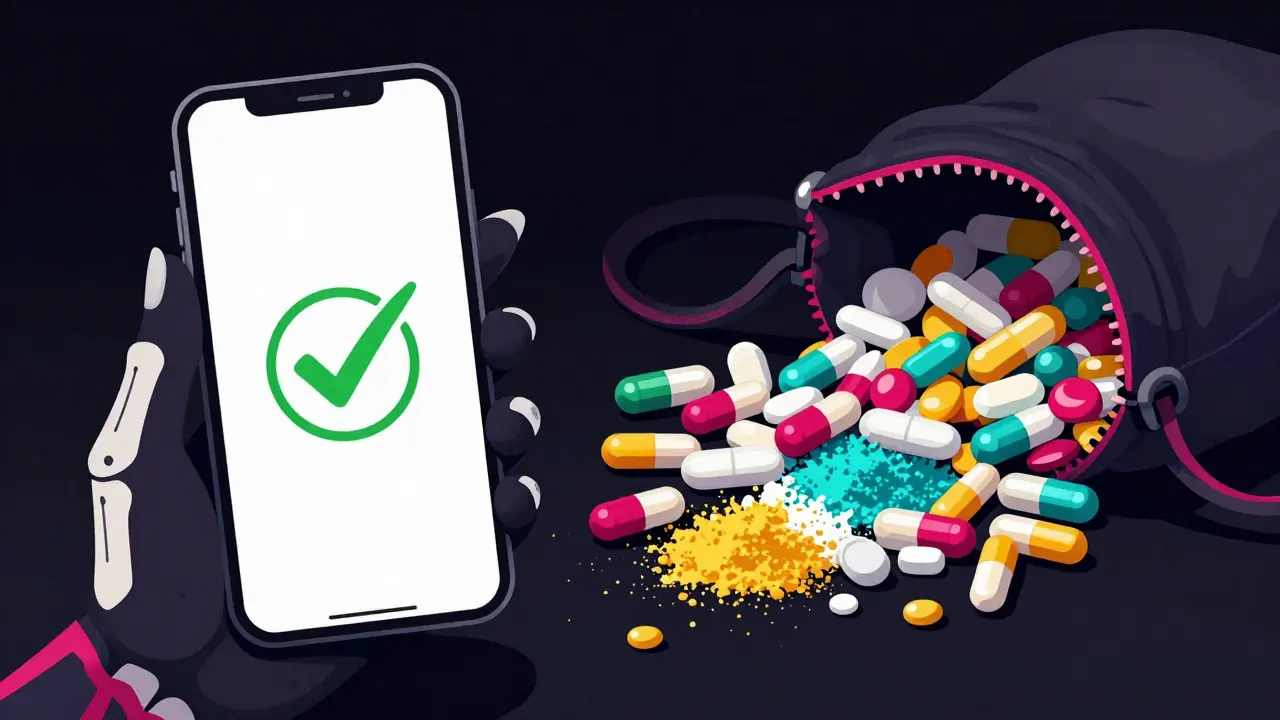
But here’s the catch: digital tools only see what you tell them. They don’t know about the street name for a pill. They don’t account for fentanyl laced into cocaine or meth. A 2023 SAMHSA survey showed that 63% of dangerous interactions involve substances that aren’t tracked in standard databases-illicit drugs, shared pills, or over-the-counter remedies like diphenhydramine (Benadryl), which can be lethal when mixed with opioids.
If you rely solely on an app, you’re missing nearly half the picture. Digital checkers are excellent for pharmacy prescriptions but terrible for real-world usage patterns where pills are borrowed, bought off-label, or contaminated.
| Method | Accuracy for Prescriptions | Detects Illicit/Substance Mixing | Best For |
|---|---|---|---|
| FDA/MedlinePlus Checkers | High (89-95%) | Low (Misses 78% of illicit mixes) | Prescription management |
| Clinical Screening (ORT) | Very High (95% sensitivity) | Moderate (Requires honest disclosure) | Doctor visits |
| Harm Reduction Outreach | N/A | High (94% detection via direct questioning) | Street-level safety |
Asking the Right Questions: Beyond the Prescription Pad
Since apps fall short, human conversation becomes critical. Dr. Sarah Wakeman from Massachusetts General Hospital notes that empathetic questioning increases disclosure rates by 65%. How do you ask without sounding judgmental? Start with open-ended, non-shaming language.
Instead of asking, “Are you taking other medications?” try:
- “Do you ever take medicines not prescribed to you?”
- “Have you used any ‘downers’ like sleep aids or anxiety meds this week?”
- “Do you share pills with friends or family?”
A 2022 study in Addiction found that changing the question from “Are you taking other meds?” to “Do you take anything else to help you relax or sleep?” increased honest answers by 52%. Why? Because people don’t always consider Benadryl or muscle relaxers as “drugs” in the same way they view heroin or oxycodone. But pharmacologically, they act similarly on your brain.
Also, remember tolerance drops fast. If you stop using opioids for just 72 hours, your tolerance can drop by 30-50%. Taking your usual dose after a break can feel like a double dose. This is why post-detox or post-jail overdoses are so common. Always assume your body is more sensitive than you think.
Red Flags That Signal High Risk
Not everyone needs a full clinical assessment, but certain situations demand extra caution. SAMHSA’s toolkit lists 17 specific risk factors. Here are the top ones you should watch for:
- Recent abstinence: Any break longer than 3 days resets your tolerance.
- Respiratory conditions: Asthma or COPD increases overdose risk by 4.2 times because your lungs are already struggling.
- Changing routes: Injecting increases overdose risk by 300% compared to swallowing pills because the drug hits your brain faster and harder.
- Age: Older adults metabolize drugs slower. The Beers Criteria identifies 56 combinations that are particularly risky for seniors.
- Polypharmacy: Taking 4 or more medications daily doubles interaction risks.
If you have any of these factors, treat every dose as potentially dangerous. Never use alone. Have naloxone nearby. Tell someone where you are.
Practical Steps to Check Your Risk Today
You don’t need a medical degree to protect yourself. Follow this simple checklist before taking any substance:
- List everything: Write down every pill, drink, or powder you plan to use. Include OTC meds like cough syrup or allergy pills.
- Check interactions: Use the FDA Drug Interaction Checker or MedlinePlus. Enter each ingredient separately.
- Ask about street names: Know that “Molly” might be MDMA or fentanyl. “X” could be Xanax or something else entirely. Uncertainty equals danger.
- Consult a professional: Pharmacists are trained to spot hidden risks. Many will talk to you confidentially without requiring a prescription fill.
- Use test strips: Fentanyl test strips are now available in many communities. They can detect contamination in powders.
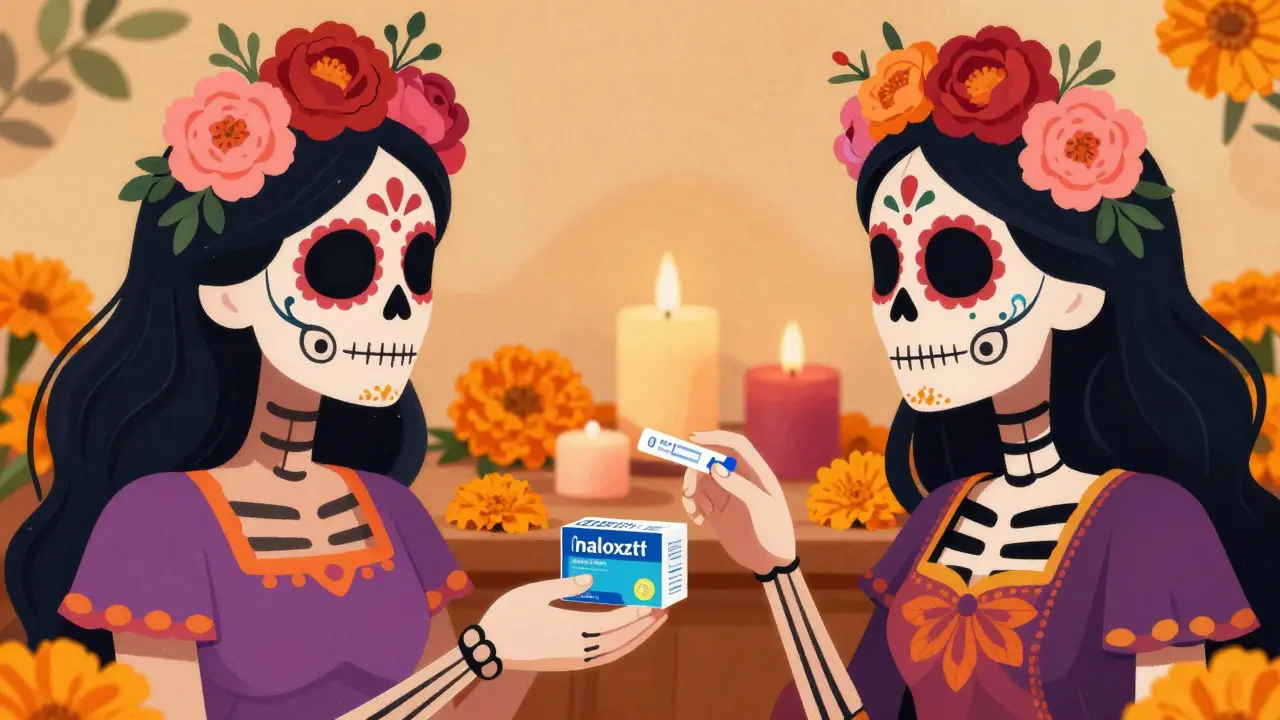
- Carry naloxone: It’s cheap, effective, and saves lives. Keep it accessible.
In Glasgow, Scotland, local health services offer free naloxone kits and testing resources through community pharmacies. Similar programs exist across the UK and US. Don’t wait until an emergency happens to prepare.
When to Seek Immediate Help
If you suspect an interaction is happening, act fast. Signs of overdose include:
- Slow or stopped breathing
- Blue or purple lips/fingernails
- Unresponsiveness despite shaking or shouting
- Gurgling sounds (the “death rattle”)
Call emergency services immediately. Administer naloxone if available. Perform rescue breaths if trained. Stay with the person until help arrives. Time is tissue-and oxygen is life.
Can I safely mix alcohol with my prescription painkiller?
Generally, no. Alcohol is a CNS depressant, and so are most opioid painkillers. Mixing them slows your breathing significantly. NIH research shows this combo increases respiratory depression risk by 67%. Even small amounts of alcohol can become dangerous when combined with opioids.
What is the most dangerous drug combination?
The deadliest combo is opioids plus benzodiazepines. Studies show this pair increases mortality risk by 10.3 times. Adding alcohol makes it even worse. This trio attacks your brainstem-the part of your brain that controls automatic functions like breathing.
Do online drug interaction checkers work for street drugs?
Not really. Most digital tools only track FDA-approved medications. They miss illicit substances like fentanyl analogs, synthetic cannabinoids, or adulterated stimulants. NIDA reports that 78% of dangerous interactions involving street drugs go undetected by standard apps. Always ask a pharmacist or harm reduction worker for advice on non-prescribed substances.
How quickly does tolerance drop after stopping opioids?
Within 72 hours, your tolerance can drop by 30-50%. This means a dose that was safe yesterday could kill you today. This rapid decline is why overdoses spike after jail releases, hospital stays, or detox periods. Always start low and go slow if returning to use after a break.
Is it safe to take Benadryl with opioids?
Caution is needed. Diphenhydramine (Benadryl) has sedative effects and can enhance opioid-induced respiratory depression. While not as risky as benzodiazepines, high doses of Benadryl combined with opioids have caused fatal overdoses. Consult a pharmacist before combining them.