The U.S. Food and Drug Administration (FDA) doesn’t wait for harm to happen before acting. In 2025, the agency issued more safety alerts than ever before-targeting everything from tainted eggs to unapproved weight-loss pills laced with erectile dysfunction drugs. These aren’t just bureaucratic notices. They’re urgent signals meant to stop people from getting sick or dying. If you take medication, use a medical device, or buy supplements online, you need to know what’s changed.
Medical Devices: Faster Warnings, Higher Stakes
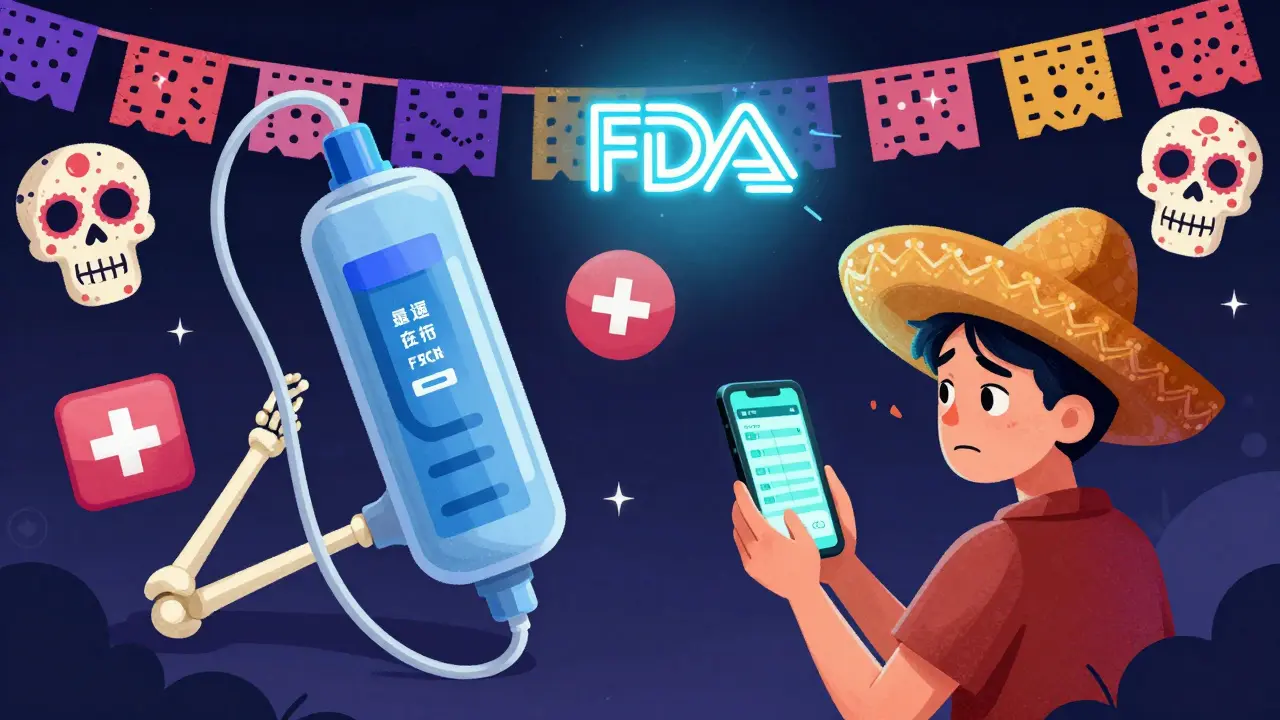
Starting September 29, 2025, the FDA expanded its Early Alert Communications program to cover all medical devices. Before this, alerts were mostly for high-risk Class I recalls-like faulty pacemakers or contaminated ventilators. Now, even devices with a moderate risk of harm get flagged faster. The goal? Cut the time between when the FDA first learns of a problem and when doctors and hospitals hear about it.
Why does this matter? Take the October 2025 recall of Kenz Henz Grade AA Large Pasture Raised Eggs. No, not a device-but the same logic applies. If a batch of something dangerous slips into the system, every hour counts. For medical devices, delays can be deadly. A faulty insulin pump or a mislabeled surgical tool can cause irreversible damage. Under the new rules, hospitals and distributors must act within 24 hours of receiving an alert. But here’s the catch: not everyone does. A 2025 study found that 35% of clinicians ignore routine safety alerts because they’re overwhelmed. The FDA is now testing AI tools to prioritize alerts based on your specialty. If you’re a cardiologist, you’ll get fewer spammy notices and more critical ones about heart monitors.
Drugs: Vaccines, Compounds, and Hidden Ingredients
Drug safety updates in 2025 were dominated by two big stories: mRNA vaccines and compounded drugs.
In June, the FDA updated the labeling for all mRNA COVID-19 vaccines to include a clearer warning about myocarditis and pericarditis-heart inflammation that can follow vaccination, especially in young men. It wasn’t new information, but now it’s front and center on the package insert. This change helps doctors talk to patients honestly without sounding alarmist.
The bigger story? Compounded drugs. In September, the FDA sent over 50 warning letters to companies making unapproved versions of semaglutide-the weight-loss drug also known as Ozempic. These aren’t FDA-approved products. They’re mixed in backrooms, often with unknown purity. Some batches had too much active ingredient. Others had contaminants. The FDA called it the largest enforcement action in compounding history. If you’re getting a "generic" version of Ozempic from a clinic or online vendor, you’re playing Russian roulette with your health.
And it’s not just weight-loss drugs. In March, One Source Nutrition recalled Vitality Capsules because they contained undeclared sildenafil and tadalafil-the same ingredients in Viagra and Cialis. People with heart conditions who took these pills didn’t know they were getting a powerful drug that could drop their blood pressure to dangerous levels. The FDA now scans supplement labels for these hidden pharmaceuticals using advanced mass spectrometry. They found them in 12 major recalls this year alone.
Food and Supplements: Lead, Eggs, and Deceptive Claims
Food safety alerts jumped 22% in 2024, and 2025 didn’t slow down. The most talked-about alert? Imported cookware that leaches lead. People were using cheap pots and pans from online marketplaces, unaware that the glaze contained toxic levels of lead. The FDA tested over 300 products and pulled 18 brands off shelves. If you bought a "handmade ceramic bowl" from Etsy or Amazon for under $20, it’s worth checking the FDA’s recall list.
Then there were the eggs. In September, the Black Sheep Egg Company recalled all its eggs after Salmonella outbreaks linked to raw egg consumption. The recall didn’t just affect restaurants-it hit home cooks who used raw eggs in homemade mayo or Caesar dressing. The FDA didn’t just say "don’t eat them." They posted videos showing how to safely dispose of recalled eggs and how to clean surfaces they touched.
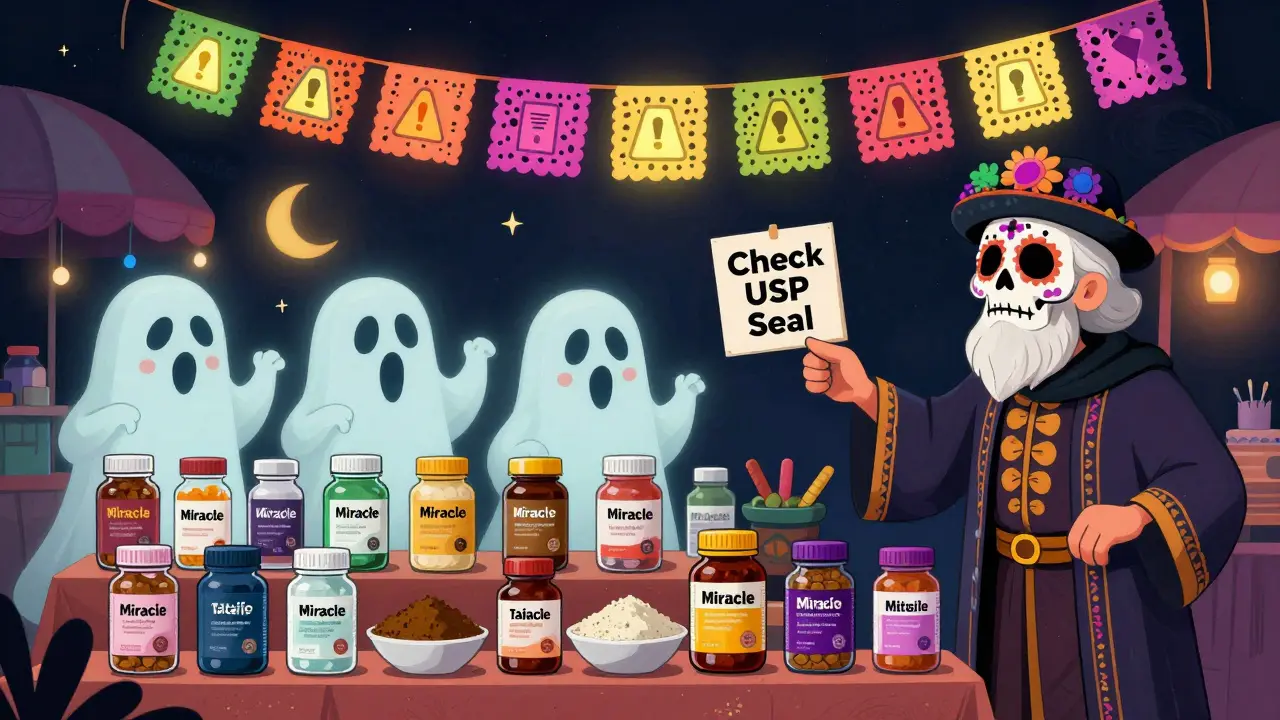
Dietary supplements remain the wild west. In February, Natural Dior LLC recalled Vitafer-L Gold Liquid because it contained undeclared tadalafil. In March, Zaarah Herbals recalled four herbal powders after reports of liver damage. These aren’t rare. The FDA now flags supplements with herbal names like "Rasayan," "Vasaka," or "Bhringraj" as high-risk because they’re often fronts for hidden drugs. If a supplement promises "natural weight loss," "instant energy," or "male enhancement," assume it’s laced with something dangerous until proven otherwise.
What You Can Do: Stay Informed, Not Scared
The FDA doesn’t send alerts to your phone by default. You have to sign up. Here’s how to protect yourself:
- Go to FDA’s Recalls Page and bookmark it.
- Sign up for email alerts for the categories you care about: drugs, devices, food, or supplements.
- If you take a prescription, check the label every time you refill. New warnings appear on packaging.
- For supplements, look for third-party seals like USP or NSF. They don’t guarantee safety, but they mean the product was tested.
- Don’t trust Instagram influencers selling "miracle cures." If it sounds too good to be true, it is-and the FDA has probably already flagged it.
Consumer Reports found that only 42% of adults regularly check for recalls. But among seniors-especially those on multiple medications-that number jumps to 68%. Why? Because they’ve been burned before. After the May 2025 pause on the Ixchiq chikungunya vaccine for people over 60, older adults started checking alerts weekly. That’s the kind of behavior the FDA wants to see.
What’s Next? Real-Time Monitoring and Blockchain
The FDA is testing blockchain systems to track high-risk products from factory to shelf. Imagine knowing exactly which batch of insulin you received-and whether it’s been recalled. Pilot programs started in Q2 2025 and could roll out to diabetes medications and cancer drugs by 2026.
They’re also working on smarter alert systems. Instead of sending 20 alerts a day to every doctor, they’re using AI to filter them. A pediatrician won’t get an alert about a heart valve recall unless their patient list includes children with congenital defects. This could reduce alert fatigue and save lives.
But the biggest change? The FDA is no longer just reacting. They’re predicting. With better genomic testing, they can now detect trace contaminants in drugs before they cause harm. That’s why alert volume is expected to grow 8-12% annually through 2027. More alerts don’t mean more danger-they mean better detection.
When to Worry-and When to Breathe
Not every alert means you’re in danger. The FDA issues hundreds of notices each year. Most are minor. A small batch of cough syrup with a mislabeled expiration date? That’s not a crisis. But if your medication is on the list, or your supplement was recalled, don’t wait. Stop using it. Call your doctor. Report any side effects to MedWatch.
And remember: the FDA doesn’t act on rumors. Every alert is backed by data-lab tests, patient reports, hospital records. If they say a product is unsafe, it’s because someone got hurt. Your job isn’t to panic. It’s to stay informed. Because in a world of fake health claims and shady online sellers, the FDA is still the only thing standing between you and a dangerous product.
How often does the FDA issue safety alerts?
The FDA issues dozens of safety alerts every month. In 2024, they released 178 food safety alerts, 120 drug alerts, and 89 medical device notices. In 2025, those numbers rose by 15-22% due to expanded monitoring and stricter enforcement, especially on compounded drugs and supplements.
Can I trust supplements labeled as "natural" or "herbal"?
No-not without verification. In 2025, 12 major supplement recalls involved hidden pharmaceuticals like sildenafil, tadalafil, or steroids. Products with names like "Rasayan," "Gurmar," or "Vitafer" are red flags. Look for third-party testing seals (USP, NSF, or ConsumerLab) and avoid anything promising rapid results. If it’s not on the FDA’s approved list, assume it’s risky.
What should I do if I find a recalled product at home?
Stop using it immediately. Don’t throw it in the trash-some recalled items (like medications or medical devices) need special disposal. Check the FDA’s recall notice for instructions. For drugs, return them to a pharmacy that takes expired or recalled medications. For devices, contact the manufacturer. Report any adverse reactions to MedWatch at fda.gov/medwatch.
Are FDA alerts only for prescription drugs?
No. The FDA covers everything: over-the-counter meds, medical devices like glucose monitors, baby formula, dietary supplements, cosmetics, and even cookware. If it’s something you ingest, inject, or use on your body, it’s under FDA oversight. The most common alerts in 2025 were for supplements and imported kitchenware.
Why do some recalls get more attention than others?
Recalls involving food or popular drugs like Ozempic get media coverage because they affect large groups. Medical device recalls often fly under the radar-even when they’re life-threatening-because they impact fewer people at a time. A faulty insulin pump affects one user; a tainted egg batch affects thousands. That doesn’t make one more important than the other. Always check the FDA site, not the news.
How can I get FDA alerts sent to my phone?
The FDA doesn’t send text alerts, but you can sign up for email notifications at fda.gov/subscribe. You can choose categories like "Drugs," "Medical Devices," or "Food." Some third-party apps, like Recalls.gov or MyRxSafety, aggregate FDA alerts and send push notifications. But always verify the source-stick to official FDA channels for accuracy.
Do FDA alerts mean the product is dangerous for everyone?
Not always. Some alerts apply only to specific lots, batches, or expiration dates. Others target people with certain health conditions. For example, the myocarditis warning for mRNA vaccines applies mostly to young males. Always read the full alert. The FDA includes details like lot numbers, expiration dates, and at-risk populations. Don’t assume it’s a blanket warning unless it says so.
Jocelyn Lachapelle
December 15, 2025 AT 08:55Nupur Vimal
December 16, 2025 AT 16:37Raj Kumar
December 17, 2025 AT 20:22Lisa Davies
December 18, 2025 AT 20:14Mike Nordby
December 19, 2025 AT 19:32Michelle M
December 20, 2025 AT 08:12Melissa Taylor
December 20, 2025 AT 15:21John Brown
December 20, 2025 AT 17:46Christina Bischof
December 21, 2025 AT 23:02Jake Sinatra
December 22, 2025 AT 13:40Sai Nguyen
December 24, 2025 AT 02:03John Samuel
December 25, 2025 AT 07:21Cassie Henriques
December 25, 2025 AT 10:44