Every parent has been there: your child has a fever, a runny nose, or an earache, and you’re torn between wanting to help them feel better and worrying you’re giving them something they don’t need. Antibiotics are powerful, but they’re not magic pills. Giving them for a cold? They won’t help. Skipping the full course? That’s risky. And a rash after taking amoxicillin? It might not even be an allergy. Understanding antibiotics in children isn’t about fear - it’s about knowing when to use them, what to watch for, and how to protect your child’s health in the long run.
Antibiotics Only Work on Bacteria - Not Viruses
Antibiotics are designed to kill or stop the growth of bacteria. That’s it. They do nothing to viruses, which cause most childhood illnesses. If your child has a cough, runny nose, sore throat, or stomach bug, it’s likely viral. The CDC says 99% of diarrhea and vomiting cases in kids are viral. Same goes for colds - 100% viral. Even most ear infections and sinus infections start as viruses.
So why do doctors sometimes prescribe antibiotics? Because a small percentage of these illnesses turn bacterial. About 20% of sore throats are strep throat - a bacterial infection that needs antibiotics. Around 10% of pneumonia cases in children are bacterial. And some ear infections, especially if they’re severe or last more than a few days, can be bacterial too.
But here’s the catch: you can’t tell the difference just by looking. Green or yellow snot? Normal in a viral cold. A fever that lasts three days? Common with viruses. The only reliable way to know? Testing. For strep throat, a rapid test or throat culture is required. For ear infections, doctors look for bulging, red eardrums with fluid behind them - not just pain or fever.
Common Antibiotics Used in Kids - and How They’re Dosed
Not all antibiotics are the same. Doctors choose based on the infection, the child’s weight, and past reactions. The most common ones are:
- Amoxicillin - First choice for ear infections, sinus infections, and some pneumonia. Usually given twice a day for 10 days. Dose? 80-90 mg per kg of body weight per day, split into two doses. For a child over 40 kg, the max is 3,000 mg per day.
- Azithromycin - Used for whooping cough, mild pneumonia, or if a child is allergic to penicillin. Often given as a 3- to 5-day course. One dose a day.
- Cefdinir or Ceftibuten - Cephalosporins used for stubborn ear infections or if amoxicillin didn’t work. Usually once daily.
These aren’t interchangeable. Giving the wrong one, or the wrong dose, can mean the infection doesn’t clear - or worse, it comes back stronger. Always follow the exact dose and schedule. Missing doses or giving too much can lead to resistance or side effects.
Side Effects Are Common - But Usually Mild
About 1 in 10 kids will have a side effect from antibiotics. Most are annoying, not dangerous. The most common ones:
- Diarrhea - Happens in 5-25% of kids. It’s often because antibiotics kill good gut bacteria along with bad ones.
- Nausea or vomiting - Especially with liquid forms. Up to 18% of kids feel queasy.
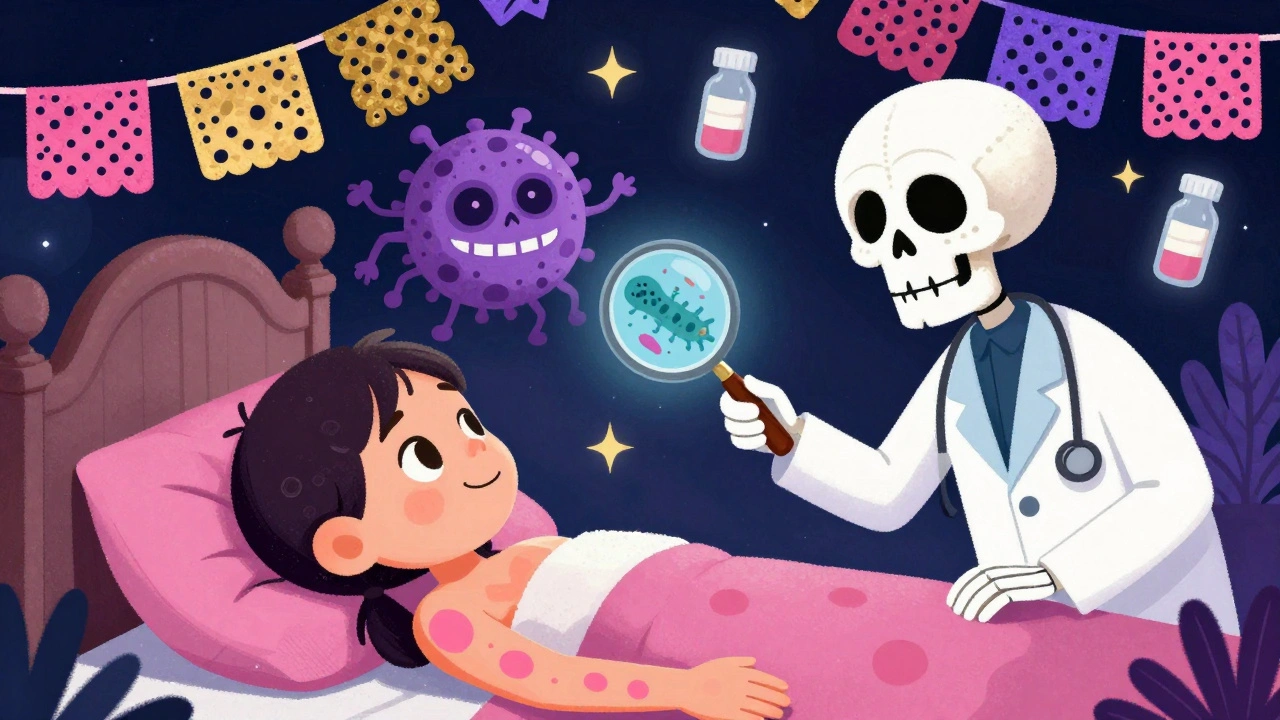
- Rash - Appears in 2-10% of cases. Most are harmless and not allergic. Think pink, flat spots that don’t itch. They often go away on their own.
- Yeast infections - More common in girls. Can cause diaper rash or oral thrush (white patches in the mouth).
These aren’t reasons to stop the medicine - unless they’re severe. But if your child gets watery diarrhea with blood, high fever, or severe stomach cramps, call the doctor. That could be Clostridium difficile (C. diff), a serious infection caused by antibiotic disruption of gut bacteria. It accounts for 15-25% of antibiotic-related diarrhea in kids.
True Allergies Are Rare - But Serious
Many parents think their child is allergic to penicillin because they got a rash. But 80-90% of rashes from antibiotics are side effects, not allergies. A true allergy means the immune system overreacts. Signs include:
- Hives (raised, itchy red welts)
- Swelling of the lips, tongue, or face
- Wheezing or trouble breathing
- Vomiting, dizziness, or passing out
If your child has any of these, get emergency help immediately. Anaphylaxis - the most severe allergic reaction - happens in 0.01-0.04% of antibiotic courses. It’s rare, but deadly if ignored.
Here’s the surprising part: if you’re allergic to penicillin, your child isn’t automatically allergic. Studies show 95% of kids labeled “penicillin-allergic” based on family history can safely take it. Many are mislabeled because of a rash that wasn’t an allergy. If your child was told they’re allergic, ask about allergy testing. It’s safe, quick, and can save them from being put on stronger, less effective antibiotics later.
When to Wait - And When to Act
Doctors now recommend “watchful waiting” for some infections. For example:
- If your child is 6-23 months old with one ear infection, mild pain, and no high fever - wait 48 to 72 hours. Many get better without antibiotics.
- If your child has a sore throat but no fever, no swollen tonsils, and no swollen lymph nodes - it’s probably viral. Don’t test for strep unless symptoms match.
- If your child has a cough and runny nose for five days - antibiotics won’t help. Let it run its course.
Waiting isn’t ignoring. It’s being smart. You monitor. You give fever reducers. You keep them hydrated. If they get worse - fever spikes, ear pain gets worse, breathing gets noisy - then it’s time to call the doctor. New tools like CRP blood tests (which detect inflammation) are now used in some clinics to tell if an infection is bacterial or viral - reducing unnecessary antibiotics by up to 85%.
How to Give Antibiotics Right - And Avoid Mistakes
Parents want to help. But common habits make things worse:
- Stopping early - 30% of parents stop antibiotics when their child feels better. That’s dangerous. It leaves behind the strongest bacteria, which then multiply and become resistant. Always finish the full course.
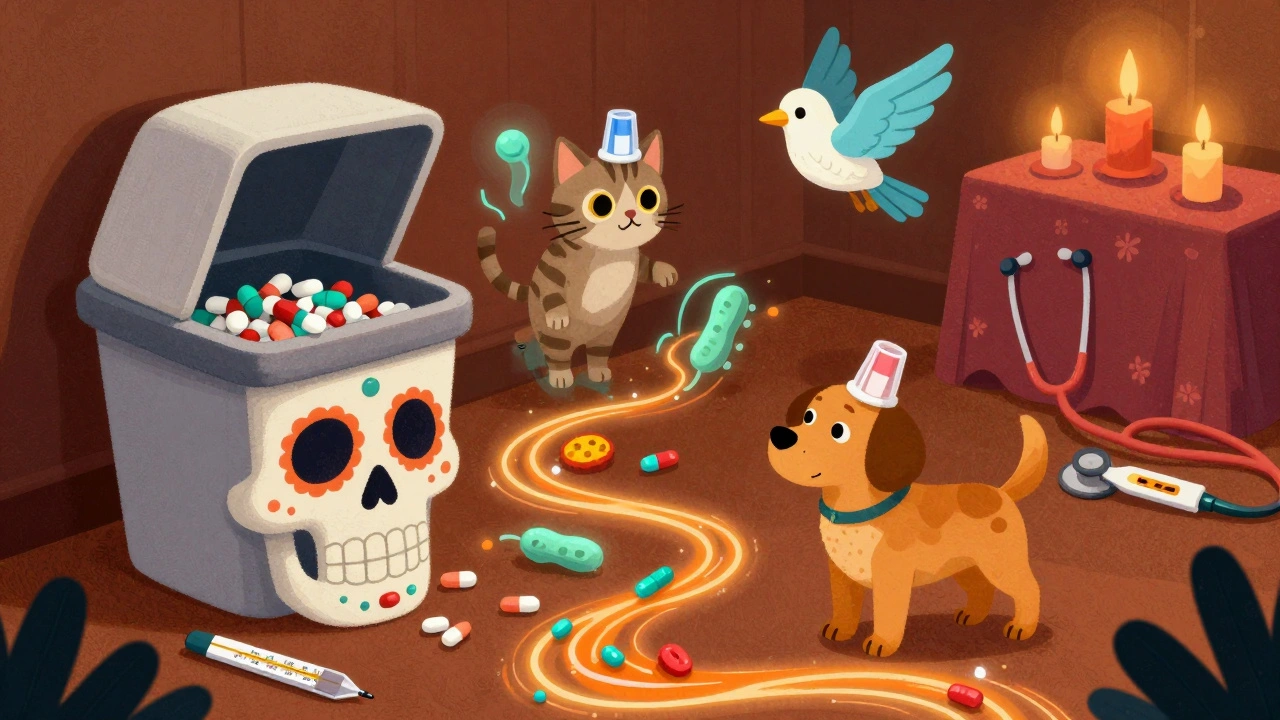
- Sharing antibiotics - Never give your child’s leftover medicine to another kid. Doses are weight-based. The wrong one could be harmful.
- Using old prescriptions - A bottle from last year’s ear infection won’t help this one. Bacteria change. The infection might be different.
For kids who hate the taste: mix small amounts with chocolate syrup, applesauce, or yogurt. Don’t mix with large meals - it can affect absorption. Some pharmacies offer flavoring services. Use a dosing syringe, not a spoon - it’s more accurate. If your child vomits within 30 minutes of taking the dose, give the full dose again. If it’s between 30 and 60 minutes, give half. After an hour? Skip it - wait for the next scheduled dose.
Antibiotic Resistance Is Real - And It’s Getting Worse
Every time antibiotics are used unnecessarily, bacteria learn to survive them. That’s resistance. And it’s growing fast.
In the U.S., 30% of outpatient antibiotic prescriptions for kids are unnecessary. That’s millions of doses each year. As a result:
- 47% of the bacteria that cause ear infections and pneumonia are now resistant to penicillin - up from 35% in 2013.
- MRSA infections in kids have jumped 150% since 2010.
- Antibiotic-resistant infections cause 2.8 million illnesses and 35,000 deaths in the U.S. every year.
And it’s expensive. Unnecessary prescriptions cost $1.1 billion a year. Treating complications from resistance? Another $3.5 billion.
This isn’t just a hospital problem. It’s a home problem. When we overuse antibiotics, we’re not just risking our child’s next infection - we’re risking the future of medicine. What if the next time your child gets pneumonia, the first-line antibiotic doesn’t work anymore?
What You Can Do - Right Now
You don’t need to be a doctor to help. Here’s how:
- Ask: “Is this infection bacterial? Do we need antibiotics?”
- Don’t pressure your doctor to prescribe. Most doctors want to avoid overuse - but parents often ask because they’re anxious.
- Never use leftover antibiotics. Dispose of them safely at a pharmacy take-back program.
- Know that fever doesn’t mean bacteria. Most viral infections last 7-10 days. Antibiotics won’t speed that up.
- If your child has a rash, don’t assume it’s an allergy. Take a photo. Note if it itches, spreads, or comes with breathing trouble. Tell the doctor.
The most powerful tool you have for most childhood illnesses? Time. Rest. Fluids. Fever reducers. Antibiotics are lifesavers - but only when they’re truly needed. Protecting them means protecting your child’s health - now and for the rest of their life.
Can antibiotics treat a cold or the flu?
No. Colds and the flu are caused by viruses. Antibiotics only work on bacteria. Giving them for a viral infection won’t help your child feel better faster - and it increases the risk of side effects and antibiotic resistance.
My child got a rash after taking amoxicillin. Is that an allergy?
Not necessarily. About 80-90% of rashes from amoxicillin are non-allergic side effects - often pink, flat spots that don’t itch and go away on their own. A true allergy includes hives, swelling, trouble breathing, or vomiting. If you’re unsure, talk to your doctor. Many kids labeled allergic can safely take penicillin after testing.
Should I stop antibiotics if my child feels better?
No. Even if your child feels better, the infection might not be fully gone. Stopping early lets the strongest bacteria survive and multiply, leading to resistance. Always finish the full course unless your doctor says otherwise.
What if my child vomits after taking the antibiotic?
If vomiting happens within 30 minutes of the dose, give the full dose again. If it’s between 30 and 60 minutes, give half the dose. If it’s more than an hour later, skip the dose and wait for the next scheduled one. Don’t double up unless instructed.
Are there alternatives to antibiotics for ear infections?
Yes, for mild cases. For children 6-23 months with one ear infection and mild symptoms, doctors often recommend watchful waiting for 48-72 hours. Pain relief with ibuprofen or acetaminophen, rest, and fluids can be enough. Antibiotics are only started if symptoms worsen or don’t improve.
How can I make my child take antibiotics if they hate the taste?
Mix a small amount with chocolate syrup, applesauce, or yogurt - just enough to mask the taste. Use a dosing syringe for accuracy. Some pharmacies offer flavoring services to make liquid antibiotics taste like fruit or candy. Never mix with a full meal - it can interfere with absorption.
Can antibiotics cause long-term gut problems?
In rare cases, yes. Antibiotics can disrupt the balance of good bacteria in the gut, leading to Clostridium difficile (C. diff) infection, which causes severe diarrhea. This happens in 15-25% of antibiotic-related diarrhea cases. It’s more likely with broad-spectrum antibiotics or long courses. Probiotics may help reduce risk, but always check with your doctor first.
Is it true that antibiotics are overprescribed for kids?
Yes. The CDC estimates that 30% of outpatient antibiotic prescriptions for children are unnecessary. This is often because parents expect them, or doctors feel pressured. Overuse leads to resistance, making future infections harder to treat. It’s why doctors now use tests like rapid strep or CRP to confirm bacterial infection before prescribing.
Hamza Laassili
December 12, 2025 AT 04:40Rawlson King
December 12, 2025 AT 13:21Constantine Vigderman
December 13, 2025 AT 19:43Cole Newman
December 14, 2025 AT 15:09Casey Mellish
December 15, 2025 AT 23:30Tyrone Marshall
December 17, 2025 AT 10:44Emily Haworth
December 17, 2025 AT 23:13Tom Zerkoff
December 19, 2025 AT 00:17Jamie Clark
December 20, 2025 AT 17:47Keasha Trawick
December 21, 2025 AT 22:03