When someone starts forgetting where they put their keys-or worse, forgets your name-it’s easy to brush it off as just aging. But when those lapses turn into repeating the same question 20 times in an hour, getting lost in their own neighborhood, or no longer recognizing their children, it’s not normal forgetfulness. It’s Alzheimer’s disease. And it doesn’t just steal memories. It reshapes lives-for the person living with it, and for everyone who loves them.
What Happens in the Brain When Alzheimer’s Takes Hold
Alzheimer’s isn’t just about forgetting names or birthdays. It’s a physical breakdown in the brain. Two abnormal proteins build up: amyloid-beta forms sticky plaques between nerve cells, and tau twists into tangles inside them. These gunk piles choke off communication between brain cells, especially in areas responsible for memory, like the hippocampus. Over time, neurons die, brain tissue shrinks, and the person loses the ability to think, speak, and even move. This isn’t something that happens overnight. The process starts quietly, often 15 to 20 years before the first noticeable symptoms. By the time someone struggles to remember what they had for breakfast, the brain has already been changing for years. That’s why experts now talk about Alzheimer’s in stages-not just based on what someone can or can’t do, but also what’s happening inside their brain, even if they seem fine.The Five Stages of Alzheimer’s: What to Expect
While every person’s journey is different, doctors generally agree on five broad stages. Knowing what to expect doesn’t make it easier-but it makes it less terrifying. Stage 1: Preclinical Alzheimer’sNo symptoms yet. But scans or blood tests might show amyloid buildup. This stage is mostly for researchers and clinical trials right now. Most people won’t know they’re in this phase unless they’re part of a study. Stage 2: Mild Cognitive Impairment (MCI)
This is where families start noticing things. The person forgets recent conversations, misplaces things often, or has trouble finding the right word. They might repeat questions or get lost in familiar places. Still, they can usually manage daily tasks-driving, paying bills, cooking. But they’re not quite the same. Formal memory tests show clear deficits in learning new information and recalling it later, even with hints. Stage 3: Mild Dementia
Memory loss becomes harder to ignore. They forget personal history-addresses, phone numbers, how they met their spouse. They need help choosing clothes, managing medications, or remembering appointments. Mood changes kick in: anxiety, irritability, suspicion. They might accuse loved ones of stealing things. This stage can last years. It’s often the most emotionally taxing for caregivers because the person is still aware enough to feel frustrated, confused, or scared. Stage 4: Moderate Dementia
The person needs help with almost everything. Bathing, toileting, dressing-none of it happens without assistance. They may wander, especially at night. Sleep patterns flip. They might not recognize family members anymore. Language breaks down. They use the wrong words, or stop speaking altogether. Incontinence becomes common. Behavioral issues like aggression, hallucinations, or compulsive behaviors (like hand-wringing or pacing) increase. This is when many families consider professional care or memory units. Stage 5: Severe Dementia
The body starts shutting down. The person can’t speak. They may not respond to their name. They can’t walk without help, then can’t sit up. They lose control of swallowing, which raises the risk of pneumonia. They’re bedbound. Pain is hard to detect because they can’t say it. But they still respond to touch, music, or a familiar voice. This stage is often the longest, sometimes lasting years. The focus shifts entirely to comfort-keeping them clean, warm, and free from sores.
Memory Decline: Not Just Forgetting-It’s a Specific Pattern
Not all memory loss is the same. In Alzheimer’s, it’s not about forgetting your childhood. It’s about losing the ability to make new memories. A person might remember their wedding day clearly but not recall what they ate for lunch. They can’t hold onto new information. That’s why they ask the same question over and over. Their brain isn’t storing it. In early stages, they might forget names of places or objects. Later, they forget how to use a phone or a remote. They mix up words-calling a spoon a “fork” or a shirt a “hat.” This isn’t just confusion. It’s the brain losing the connections between concepts. And here’s something important: early-stage Alzheimer’s affects memory differently than other dementias. In Frontotemporal Dementia, memory stays sharp at first-but personality changes, language problems, or impulsive behavior show up first. That’s why getting the right diagnosis matters. The treatment and care approach changes depending on what’s really going on.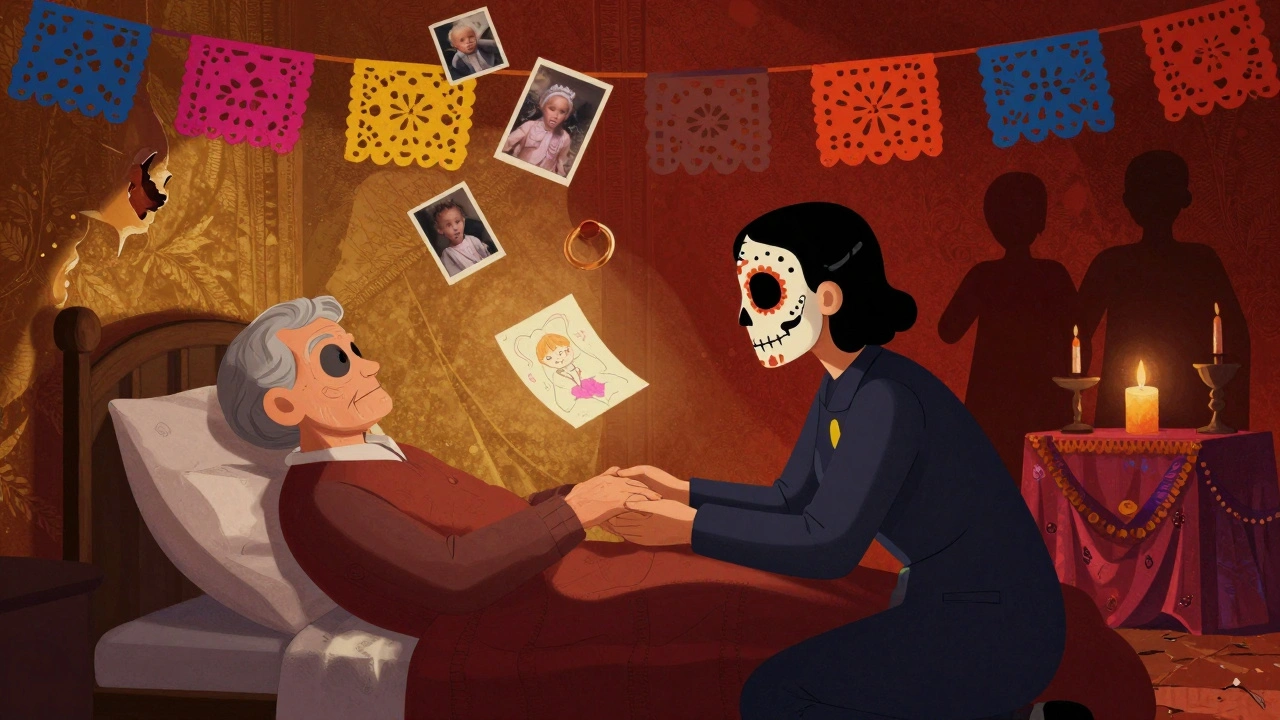
What Caregivers Actually Deal With-Day to Day
Caregivers aren’t just helpers. They’re nurses, detectives, therapists, and emotional anchors-all at once. In the early stage, caregivers might help by setting up reminder apps, labeling cabinets with pictures, or writing down instructions. They learn to repeat things calmly, without correcting. They watch for signs of depression or anxiety. They start planning for what’s ahead-legal documents, power of attorney, long-term care options. By the middle stage, everything changes. A caregiver might spend hours each day searching for hidden medications, dealing with accusations of theft, or trying to get someone to take a shower when they’re convinced it’s a trap. One caregiver on a support forum said, “I stopped arguing. If she says her mother is coming to visit, I say, ‘Oh, did she bring the cookies?’ Then we talk about cookies. It’s not about truth. It’s about peace.” That’s validation therapy-accepting their reality instead of fighting it. Safety becomes critical. Doors need alarms. Stairs get railings. Sharp objects are locked away. The house becomes a maze of modifications, all to prevent wandering or falls. In the late stage, it’s physical. Turning someone every two hours to prevent bedsores. Feeding through a pureed diet because swallowing is risky. Cleaning up after incontinence. Holding their hand while they sleep. It’s exhausting. One caregiver shared on Reddit: “Late stage was physically brutal-but emotionally, it was quieter. She couldn’t scream anymore. So I sang to her. She’d smile.”The Hidden Cost of Care
Caregivers don’t just give time. They give their health, their relationships, their sleep, their careers. In 2023, the average caregiver spent 27 hours a week providing unpaid care. That’s more than a full-time job. Thirty percent reported high physical strain. Nearly 40% said their emotional stress was high or very high. Many skip doctor’s appointments for themselves. Depression and anxiety rates among caregivers are twice that of the general population. And the financial toll? In the U.S. alone, family caregivers provided $340 billion in unpaid care last year. Medicare and Medicaid spent $244 billion on Alzheimer’s care. The disease costs the U.S. economy $345 billion annually. But help exists. Respite care-where someone else steps in for a few hours or days-is covered by Medicare for hospice-eligible patients. Adult day programs, home health aides, and support groups are available. But most caregivers don’t know where to start.How to Support Someone With Alzheimer’s-Practical Tips
- Early stage: Use calendars, labeled photos, and reminder apps. Keep routines consistent. Encourage social activity. Don’t rush them. Let them do what they can.
- Middle stage: Simplify instructions. Say one thing at a time: “Let’s wash your hands,” not “Go to the bathroom, turn on the water, soap your hands, dry them.” Use distraction when they’re agitated. Play familiar music. Install door alarms. Avoid arguing.
- Late stage: Focus on comfort. Gentle touch, soft lighting, soothing sounds. Keep skin clean and dry. Position them to prevent sores. Speak in calm, warm tones-even if they don’t respond, they hear you.
What’s Changing in Treatment-and What’s Still Out of Reach
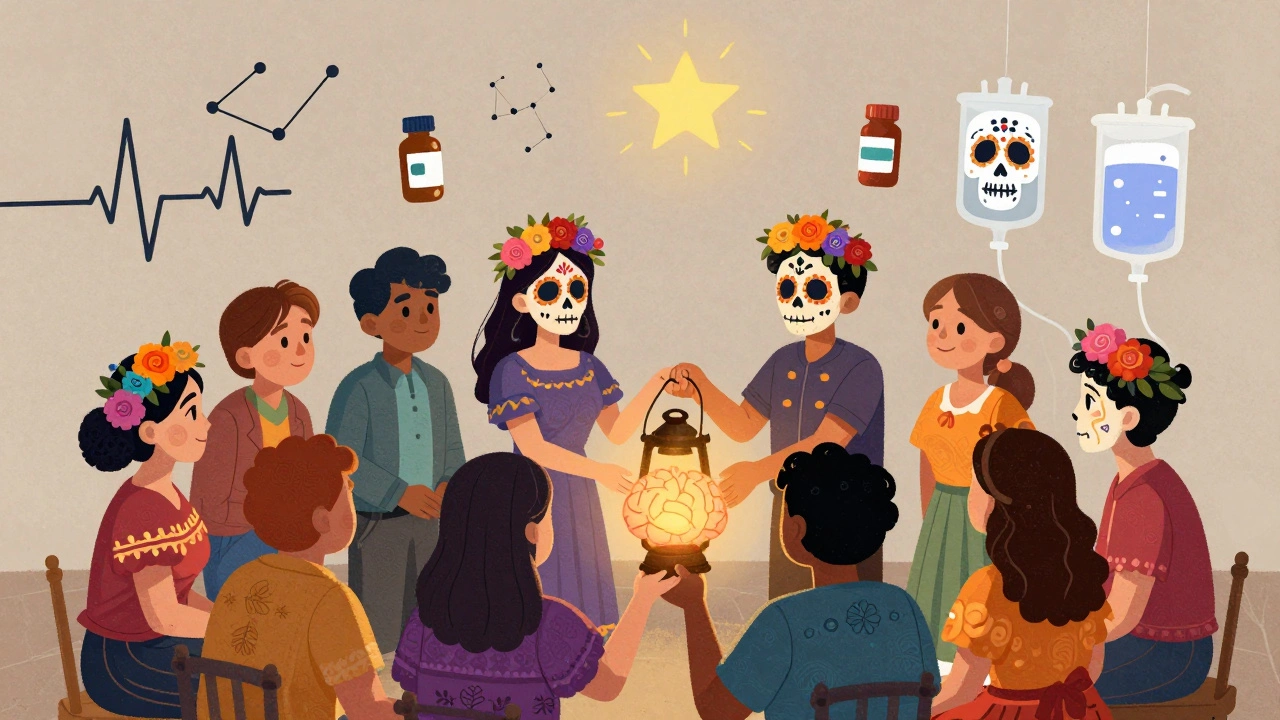
For decades, Alzheimer’s treatment was about managing symptoms. Drugs like donepezil and memantine helped a little-slowing memory loss for a few months. But they didn’t stop the disease. In January 2023, the FDA approved lecanemab (Leqembi), the first drug shown to slow cognitive decline by targeting amyloid plaques. In trials, it reduced decline by 27% over 18 months. That’s not a cure. But it’s a start. Another drug, donanemab, is expected for approval in 2024. The catch? These drugs require monthly infusions and frequent brain scans to check for swelling or bleeding (called ARIA). They’re only for early-stage patients with confirmed amyloid buildup. And they cost tens of thousands of dollars a year. Most people can’t access them. Blood tests for Alzheimer’s are coming fast. Within five years, a simple blood draw could detect the disease before symptoms appear. But if the test costs $5,000, who gets it? That’s the big question now. Equity matters. Right now, these advances are mostly available to those with money, insurance, and access to specialists.What Comes Next?
Alzheimer’s isn’t just a medical problem. It’s a social one. It’s about who gets care, who gets to stay home, who gets to rest. If you’re caring for someone with Alzheimer’s, you’re not alone. But you shouldn’t have to do it alone, either. Reach out. Talk to a social worker. Join a support group. Ask for help. Respite care isn’t a luxury-it’s a necessity. If you’re not a caregiver yet, but you have an aging parent or relative, start the conversation now. Talk about wishes. Get legal papers in order. Learn the signs. Early detection isn’t about fear. It’s about time. Time to plan. Time to connect. Time to make sure their last years are as peaceful as possible. The disease takes memories. But it can’t take love. And love-patient, quiet, persistent love-is still the most powerful medicine we have.What are the first signs of Alzheimer’s disease?
The earliest signs are subtle: forgetting recent conversations or events, repeating questions, misplacing items in odd places, struggling to find the right word, or having trouble planning or organizing tasks. People often still recognize family members and can manage daily routines, but they start to rely more on lists or reminders. Mood changes like increased anxiety or irritability may also appear.
Can Alzheimer’s be cured?
There is no cure yet. Current medications like donepezil and memantine help manage symptoms temporarily. New drugs like lecanemab can slow cognitive decline in early-stage patients by targeting amyloid plaques, but they don’t stop or reverse the disease. Research is focused on early detection and treatments that target tau proteins, inflammation, and metabolism, but these are still in clinical trials.
How long do people live after an Alzheimer’s diagnosis?
Life expectancy after diagnosis varies widely. On average, people live 4 to 8 years after diagnosis, but some live up to 20 years. Factors like age at diagnosis, overall health, and access to care play a big role. Most people with Alzheimer’s don’t die from the disease itself, but from complications like pneumonia, infections, or falls caused by advanced dementia.
How can I help a loved one with Alzheimer’s who refuses care?
Refusing care is common in middle-stage Alzheimer’s. Avoid arguing or forcing. Instead, try validation-acknowledge their feelings. Say, “I see you’re upset. Let’s sit down and talk.” Use distraction: offer a snack, play music, or suggest a walk. Break tasks into small steps: instead of “Let’s bathe,” say, “Let’s wash your hands first.” Make the environment safe and calm. If resistance continues, consult a dementia specialist or occupational therapist for personalized strategies.
What resources are available for caregivers?
Caregivers can access support groups through the Alzheimer’s Association, respite care services covered by Medicare for hospice-eligible patients, adult day programs, home health aides, and counseling. Many communities offer free training on dementia care techniques. Online forums and apps can also provide emotional support and practical tips. Don’t wait until you’re overwhelmed-reach out early.
Is Alzheimer’s the same as dementia?
No. Dementia is an umbrella term for memory loss and cognitive decline severe enough to interfere with daily life. Alzheimer’s disease is the most common cause of dementia, accounting for 60-80% of cases. Other types include vascular dementia, Lewy body dementia, and frontotemporal dementia. Each affects different parts of the brain and has different symptoms, especially in the early stages.
Can lifestyle changes prevent Alzheimer’s?
There’s no guaranteed way to prevent Alzheimer’s, but research shows certain habits reduce risk. Regular physical activity, heart-healthy eating (like the MIND diet), quality sleep, managing blood pressure and diabetes, staying socially active, and engaging in mentally stimulating activities can lower risk. These don’t stop the disease, but they may delay onset or slow progression.
James Kerr
December 4, 2025 AT 02:45Just wanted to say this post hit me right in the chest. My grandma went through this and I still remember singing her favorite songs when she couldn’t speak anymore. She’d smile. That’s all that mattered.
❤️
Rashi Taliyan
December 5, 2025 AT 22:01Oh my god. I’ve been living this for three years. The way they said ‘it’s not about truth, it’s about peace’ - that’s the only thing that kept me sane. I stopped correcting her when she thought her dead husband was still alive. I just said, ‘He’s probably making coffee right now, isn’t he?’ And we’d talk about how he burned the toast every morning. It was our thing now.
They don’t teach you this in nursing school.
And yes, I cried in the grocery store yesterday because I forgot to buy her favorite cookies. Again.
Kara Bysterbusch
December 6, 2025 AT 22:02While the clinical progression outlined here is both accurate and meticulously documented, I would like to underscore the cultural dimensions of caregiving that remain underexplored in mainstream discourse. In many South Asian households, filial piety is not merely a value - it is an existential imperative. The notion of institutionalizing care is often perceived as moral failure, despite the overwhelming physical and psychological toll on the primary caregiver. This creates a silent epidemic of burnout, masked by stoicism and social expectation. The $340 billion in unpaid care is not merely an economic statistic - it is the accumulated labor of generations of women who have been taught to suffer in silence.
What we require is not only medical innovation, but a cultural reckoning - one that redefines dignity in care, not as a burden, but as a shared human responsibility.
Rashmin Patel
December 8, 2025 AT 14:21Okay, let’s be real - most people reading this are like ‘oh wow this is so sad’ and then go back to scrolling. But if you’re actually caring for someone, you know this isn’t sad - it’s exhausting. Like, 24/7. You don’t get breaks. You don’t get to say ‘I’m done.’ And nobody sees it. Not even your own family. I’ve had relatives say ‘you should be grateful she’s still alive’ - like I’m some kind of saint who chose this. No. I didn’t choose this. I was born into it.
And yes, I use emojis because I need to feel something. 😭😭😭
Also, lecanemab? Cool. But if you don’t have insurance or live in a rural town, you’re just watching your mom fade while billionaires get first dibs. That’s not science. That’s capitalism.
sagar bhute
December 9, 2025 AT 00:37This is just another liberal guilt-trip disguised as medical advice. Alzheimer’s is just old people getting lazy. We used to take care of our elders without all this whining. Back in my day, we didn’t have ‘validation therapy’ - we had discipline. If your grandma forgot where the bathroom was, you didn’t sing to her - you showed her. Again. And again. Until she learned. Now we treat dementia like it’s a poetry slam. Pathetic.
Cindy Lopez
December 10, 2025 AT 02:49There’s a misplaced comma in the third paragraph under ‘What Happens in the Brain…’ - it reads ‘build up: amyloid-beta forms sticky plaques between nerve cells, and tau twists into tangles inside them.’ The colon should be a semicolon. Also, ‘gunk piles’ is not a clinical term. It undermines the credibility of the entire piece. The rest is well-researched, but sloppy editing like this makes it hard to take seriously.
shalini vaishnav
December 10, 2025 AT 16:31India has the best elder care system in the world. We don’t need Western nonsense like ‘respite care’ or ‘validation therapy.’ Our joint families naturally absorb these burdens. This post is just another way for Americans to feel superior while outsourcing their moral responsibilities. In India, we don’t put our parents in facilities - we put them in our hearts. You think your pain is unique? Try raising five children and caring for your 90-year-old father with dementia while working a double shift. Then come back and tell me about ‘unpaid care.’
vinoth kumar
December 11, 2025 AT 04:19My uncle had Alzheimer’s. He used to love gardening. So we gave him a fake plant and told him it was his favorite rose bush. He’d talk to it every morning. ‘Good morning, Ruby,’ he’d say. One day he whispered, ‘You’re not Ruby, are you?’ I froze. But then he smiled and said, ‘Doesn’t matter. You’re here.’
That’s the thing - they know, deep down. Even when they can’t say it.
Thank you for writing this. I needed to hear it.
bobby chandra
December 11, 2025 AT 07:45Let me just say - this is the most beautifully written, emotionally intelligent piece on Alzheimer’s I’ve ever read. You didn’t just list stages - you gave us the heartbeat behind them. The part about singing to someone who can’t speak? That’s the whole damn point. We’re not saving lives here. We’re saving moments. And those moments? They’re sacred.
Also, lecanemab’s cost? That’s not a medical issue - it’s a moral failure. If we can spend $800 billion on war but can’t fund dementia research for the elderly, we’ve lost our soul.
Thank you. From the bottom of my heart.
Archie singh
December 12, 2025 AT 07:09Alzheimer’s is a scam. Big Pharma invented it to sell drugs. The amyloid hypothesis has failed 99% of clinical trials. They’re just milking grieving families for cash. Blood tests? More money. Infusions? More profit. The real cause is toxins in the water supply and vaccines. Look up the CDC data on neurodegeneration spikes after 2010. They don’t want you to see that.
And ‘validation therapy’? That’s just gaslighting your own family. Tell them the truth. Even if they forget. Truth matters.
Gene Linetsky
December 13, 2025 AT 02:04They’re lying about the stages. I know a guy whose wife went from ‘mild dementia’ to bedridden in 6 months - they said it was ‘normal progression.’ But I checked the NIH database. That’s not possible unless she was on a drug cocktail. They’re hiding the truth. The real cause is 5G radiation and microchips in vaccines. I’ve been tracking this since 2018. The CDC won’t admit it. But I’ve got the data.
And don’t get me started on the ‘love is the best medicine’ nonsense. That’s just denial. Real medicine is science. Not hugs.
Ignacio Pacheco
December 13, 2025 AT 18:50So let me get this straight - we’ve got a disease that silently rewires the brain for two decades, then robs people of everything they are… and the best we can do is sing to them while they’re bedridden? And we call that progress?
That’s not medicine. That’s grief management with a side of hope.
And we’re proud of this?
Albert Essel
December 14, 2025 AT 08:01I appreciate the depth here. The emotional honesty, the clarity of staging - it’s rare to see this level of nuance in public discourse. But I wonder: where are the voices of people with early-stage Alzheimer’s themselves? We talk about caregivers, about families, about treatments - but rarely do we hear directly from those living it. What do they want? What do they fear? What do they still love? That’s the missing chapter.
Maybe next time, we let them speak.
Charles Moore
December 14, 2025 AT 12:20My mother had Alzheimer’s. I didn’t know how to help until I met a nurse who said, ‘You’re not here to fix her. You’re here to be with her.’
So I stopped trying to make her remember. I started remembering for her.
I told her stories about her childhood. About the way she danced in the kitchen. About how she once got lost in a supermarket and laughed so hard she cried.
She didn’t remember them. But she smiled.
And that was enough.
Thank you for writing this. I needed to read it again.